Epilogue
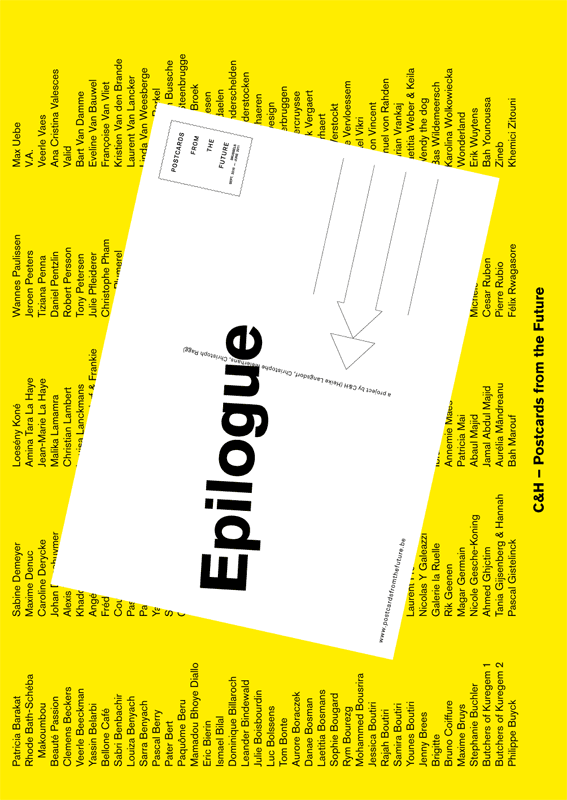
Heike Langsdorf, Christophe Meierhans and Christophe Ragg, Epilogue
Postcards from the Future
Softcover, 158 pp., offset 4/1, 170 x 240 mm
Edition of 2000
978-94-9069-355-8
Published by MER. Paper Kunsthalle
$28.00 ·
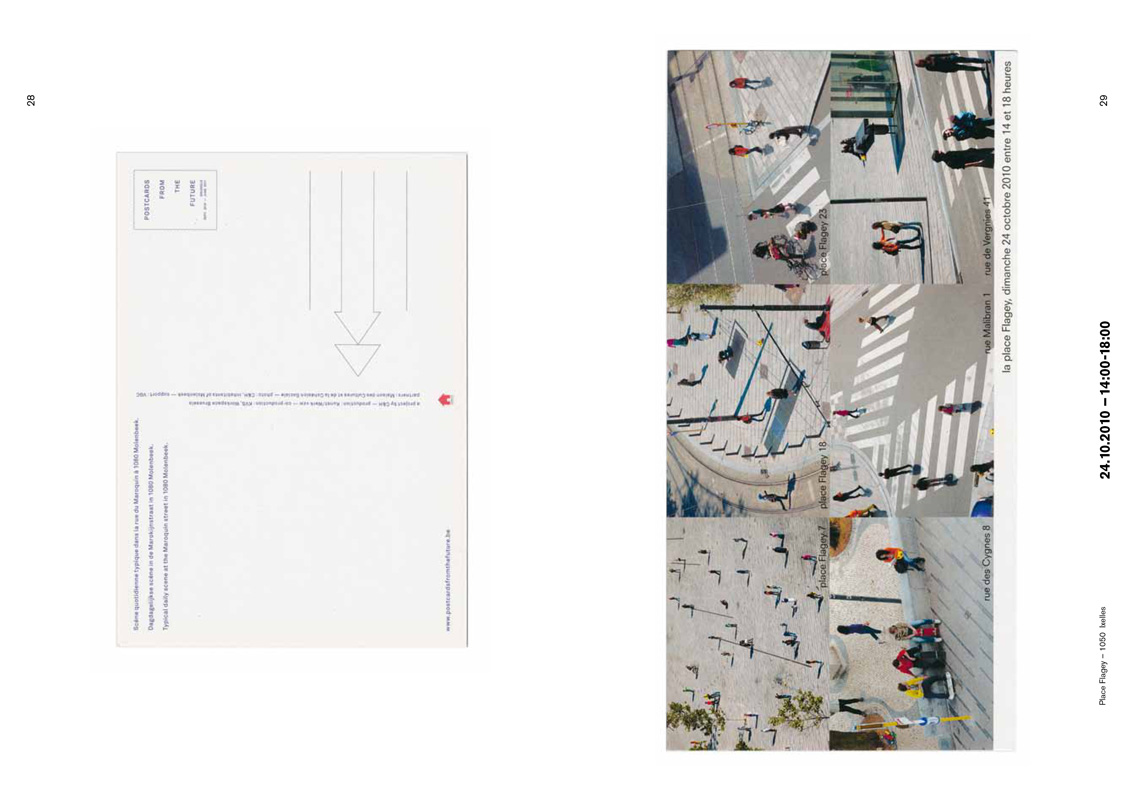
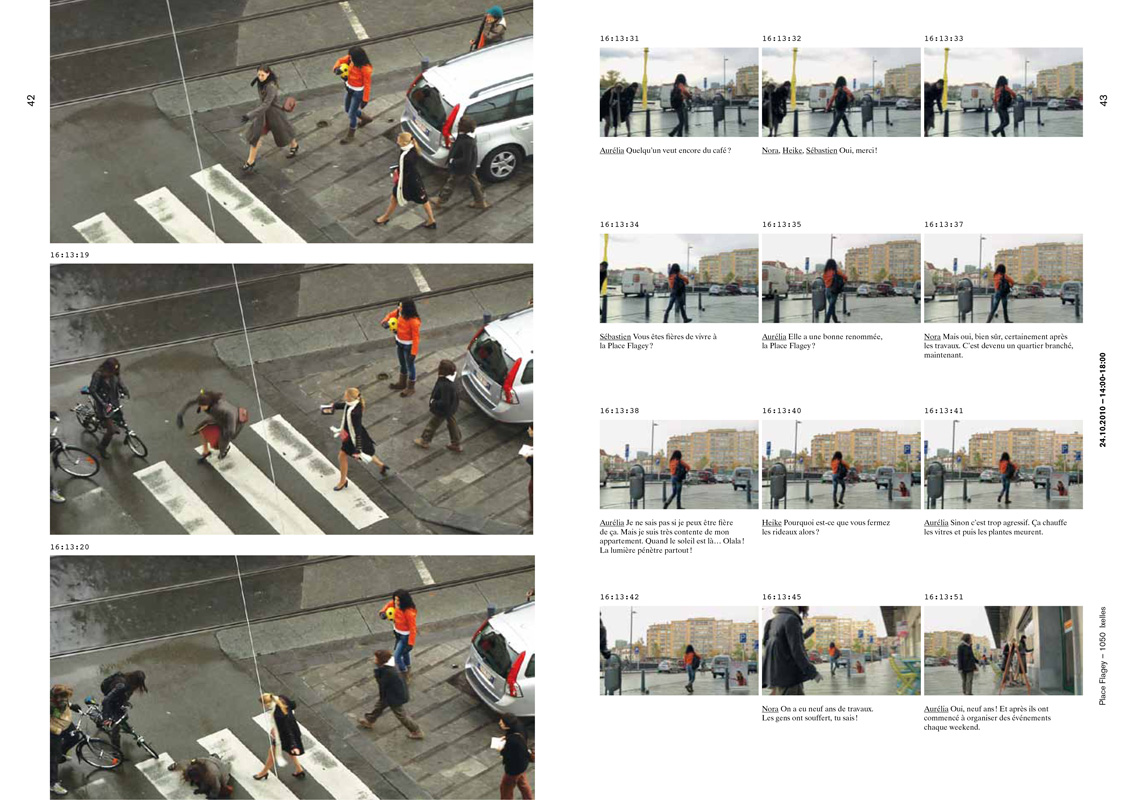
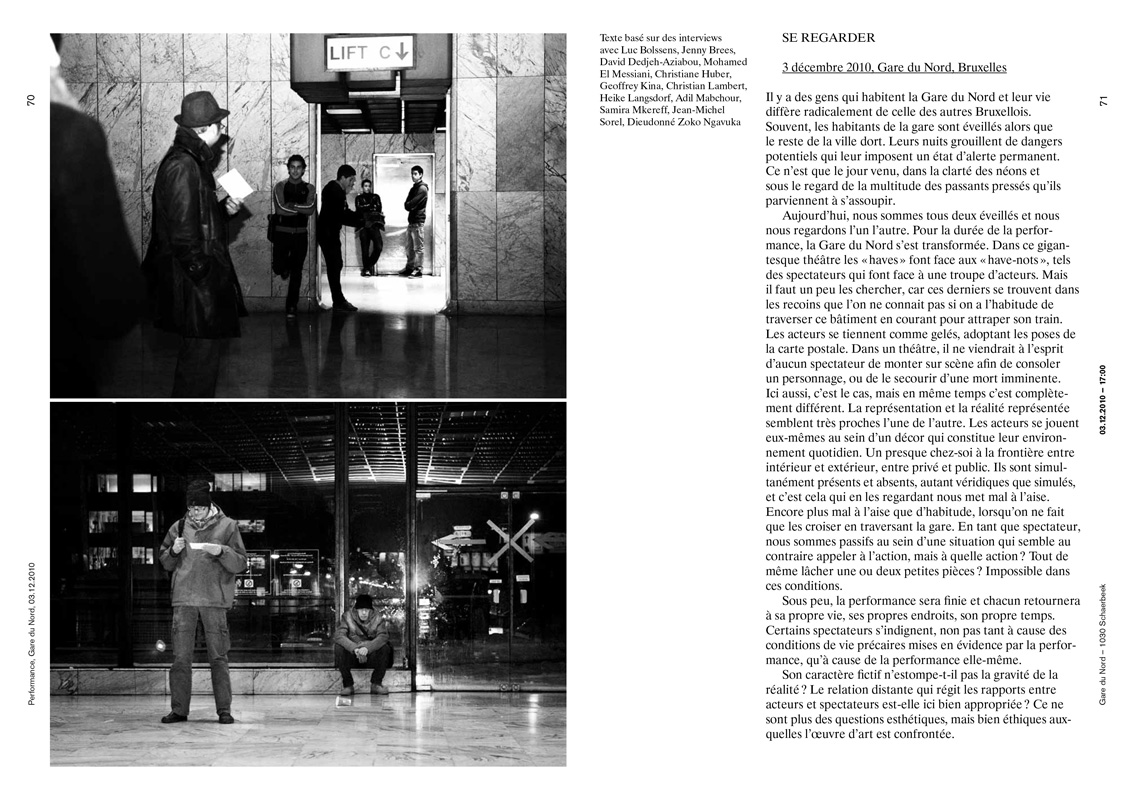
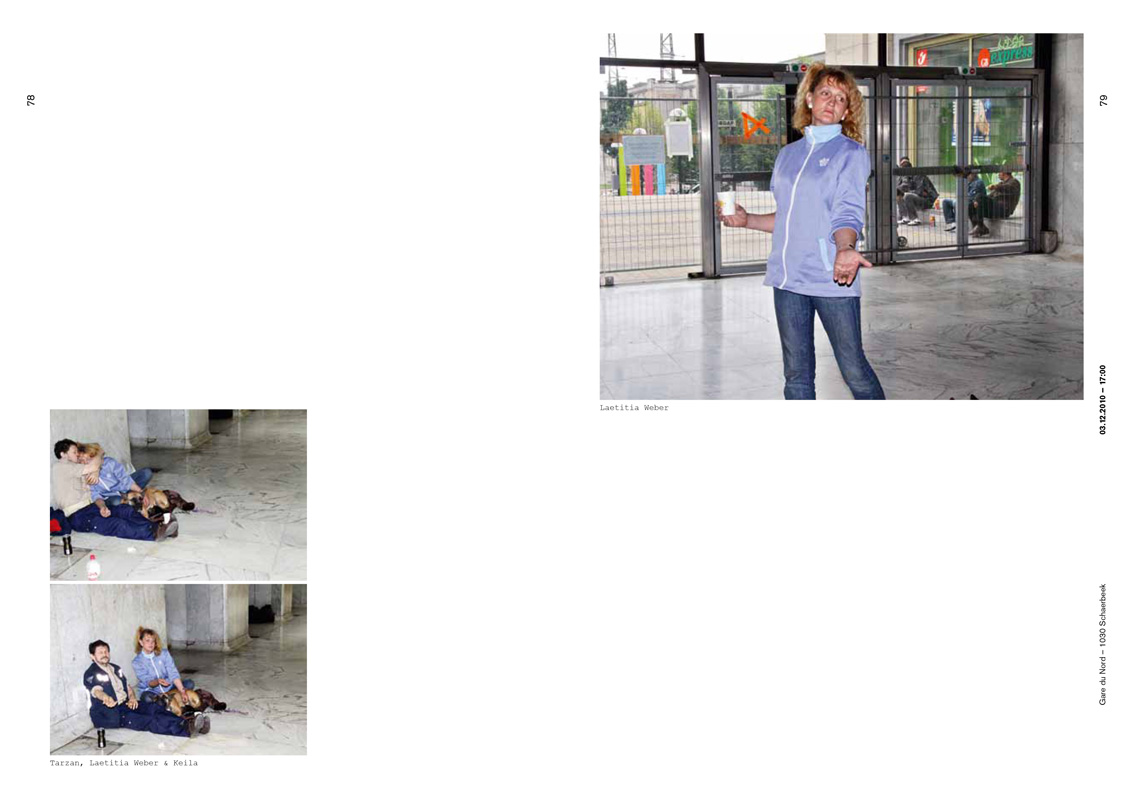
Postcards from the Future has taken place during an entire year, in collaboration with very diverse populations of the city, in places and at moments remote from another. This book takes up the challenge of gathering this multiplicity within a single bundled work, in order to give to all those who have taken part an overview of what the project has accomplished, partcipants in as much as audience members.
The book does not only document how these nine performances appeared in the visual realm of the city. Epilogue develops for each one of them the very thematic which has conditionned the most its realisation. The book portraits nine different interactions with the city, with its different neighborhoods, populations, infrastructures, administration, et al.
Just like any postcards, the Postcards from the Future are linked to the specific place they depict. What makes them special is that each one is associated with a precise point in time located in the future. Rather than being souvenirs, these postcards act primarily as invitations. By accepting the invitation and going to the address on the date and time indicated on a Postcard from the Future, one will be able to verify the prophecy made, thereby not only questioning the determinism, but also the pertinence of the images printed on the paper.
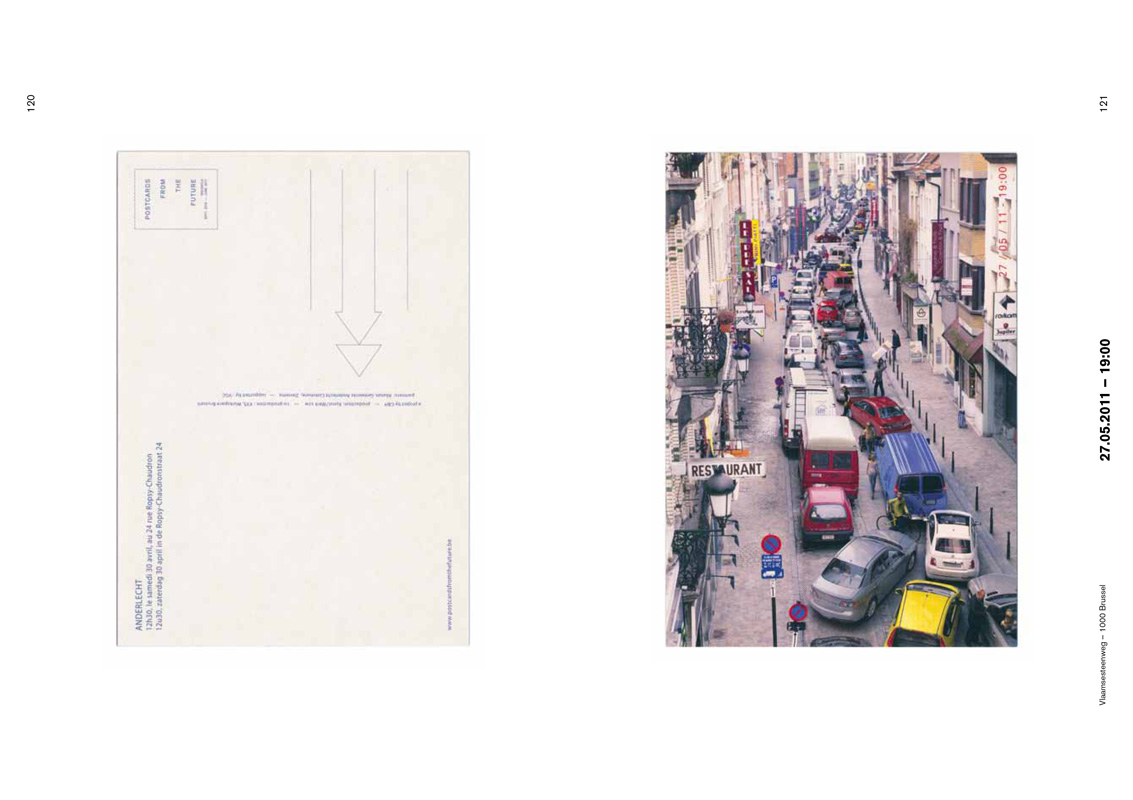
Spilling Hot Gossip (Poster)

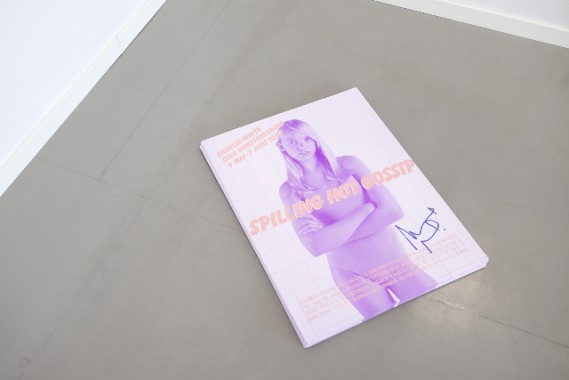
Charlie White, Spilling Hot Gossip
Poster, 100 lb matte coated paper, offset 2/0, 18 x 24 inches
Edition of 500
Unsigned, unnumbered
Published by Oslo Kunstforening
$12.00 ·
“Portraiture has always been motivated by two competing and overlapping desires: the desire to record, and the desire to be recorded. Artists Katy Grannan and Charlie White have examined this tension, exploring concepts of identity and subjectivity in a world increasingly dominated by media representations of the ideal self. The Sun and Other Stars presents two bodies of work that map the fragility and resilience of individuality in contemporary Western culture.
Grannan’s unflinching portraits capture adult subjects along the sun-struck boulevards of the American West, transforming them from obscurity to individuality with pathos and candor. White’s series of blonde teenage girls frames the popular and tyrannical appetite for celebrity with a deadpan lack of sentimentality. These two photographic series, accompanied by Grannan’s first film project and White’s new animation and personal collections of mass-culture ephemera, provide a visual vocabulary for an examination of the human subject and the encumbering effect of desire and aspiration.”
— Britt Salvesen, The Sun and Other Stars: Katy Grannan and Charlie White

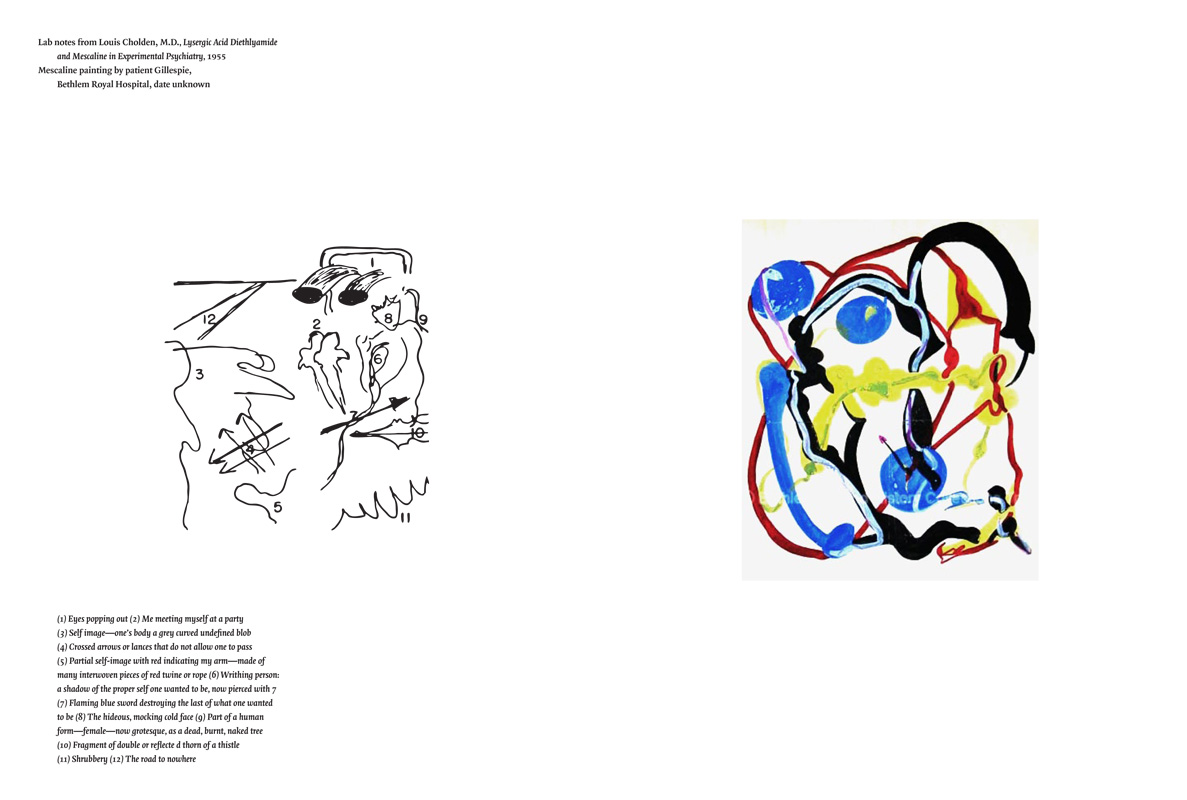
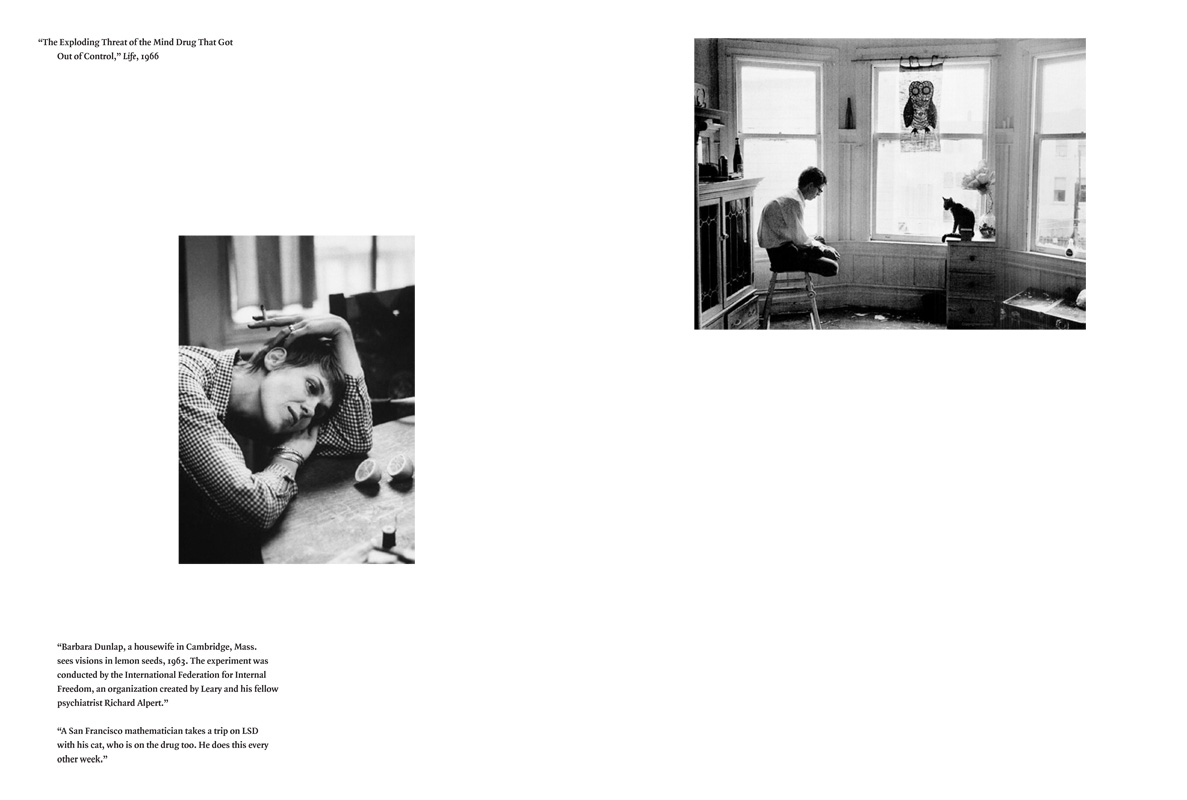
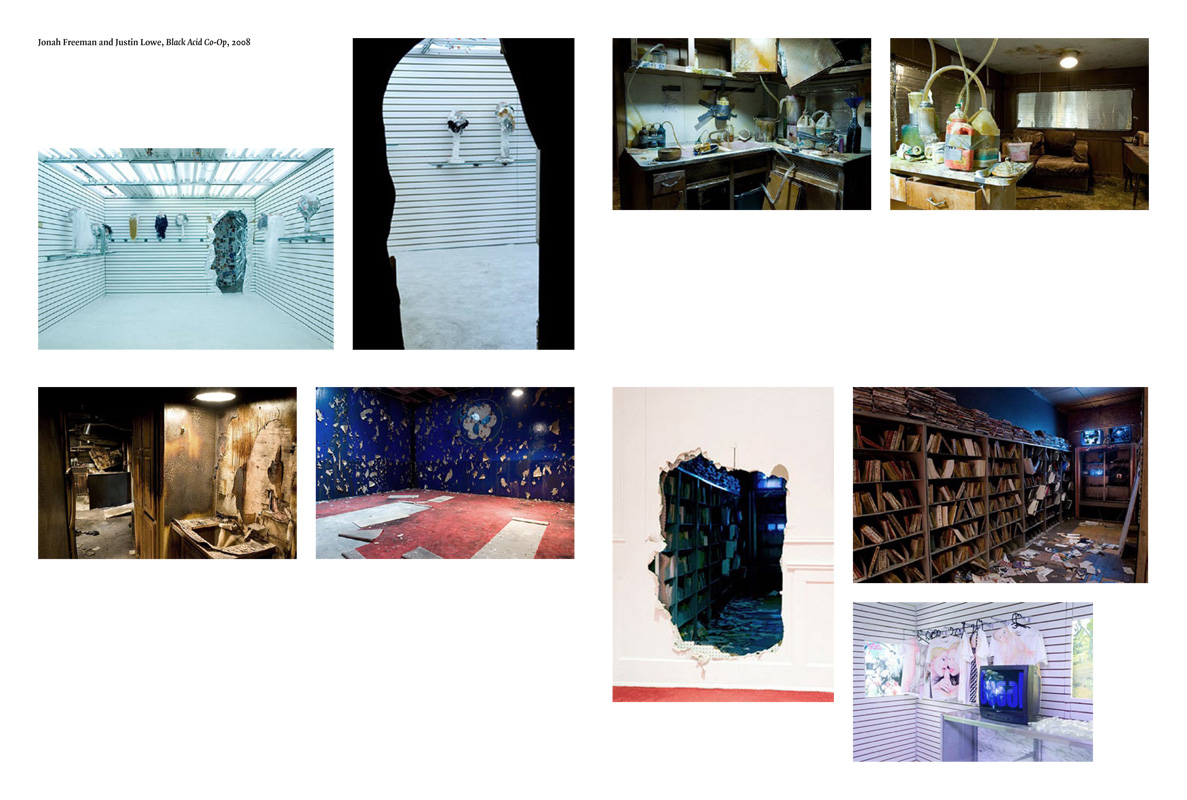
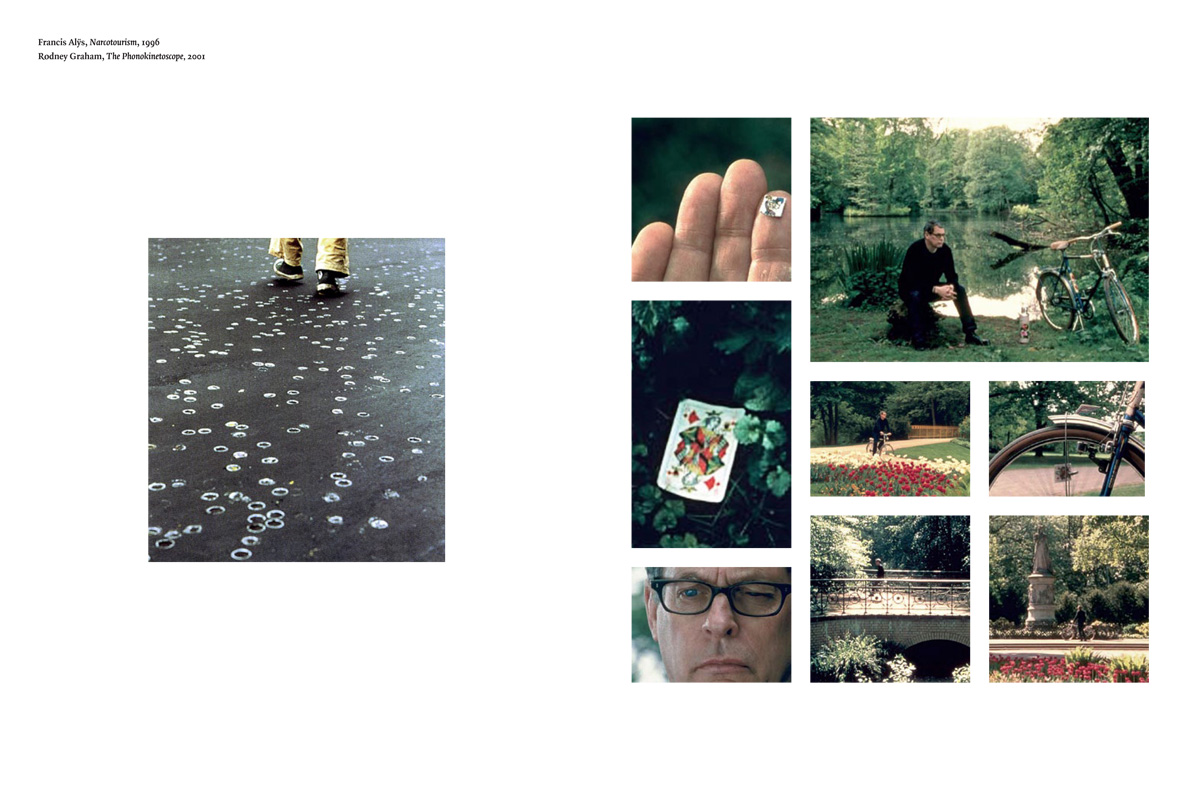
On Acid: A Field Guide to Altered States
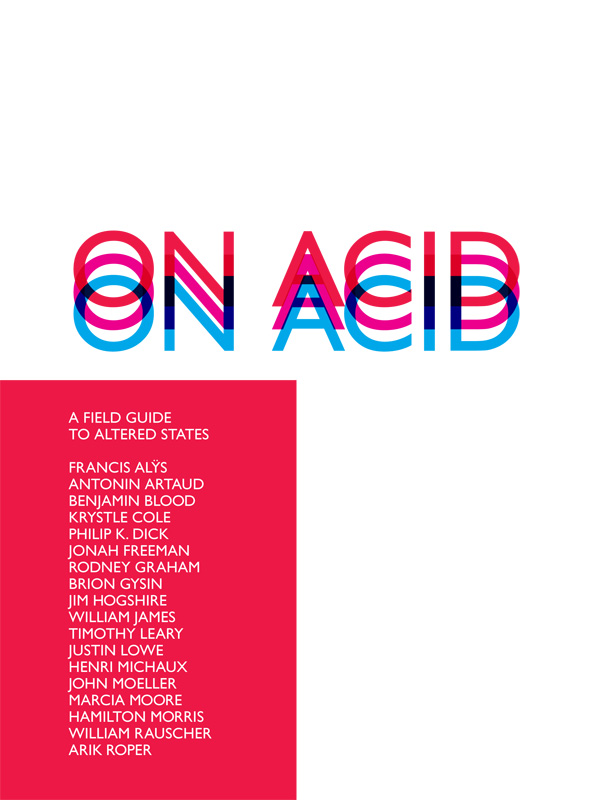
William Rauscher and John Moeller, On Acid
A Field Guide to Altered States
Softcover, 100 pp., offset 4/3, 200 x 265 mm
Edition of 1000
ISBN 978-0-615-53398-8
Published by CCC
$15.00 ·
TEXTS
Francis Alys, Antonin Artaud, Benjamin Blood, Philip K. Dick, Rodney Graham, Brion Gysin, Dr. Albert Hofmann, Jim Hogshire, Aldous Huxley, International Federation for Internal Freedom, William James, Timothy Leary, Marcia Moore, William Rauscher, Alan Watts.
IMAGES
Brian Aldiss, Francis Alys, Carol Bove, Syd Barrett, Mathieu Briand, Krystle Cole, Jonah Freeman and Justin Lowe, Allen Ginsberg, John Giorno, Rodney Graham, Brion Gysin, Carsten Holler, Henri Michaux, John Moeller, Arik Roper, Sandoz Laboratories, Ettore Sottsass, Klaus Weber.
INTERVIEWS
Justin Lowe and Jonah Freeman, Hamilton Morris, Arik Roper.
Live
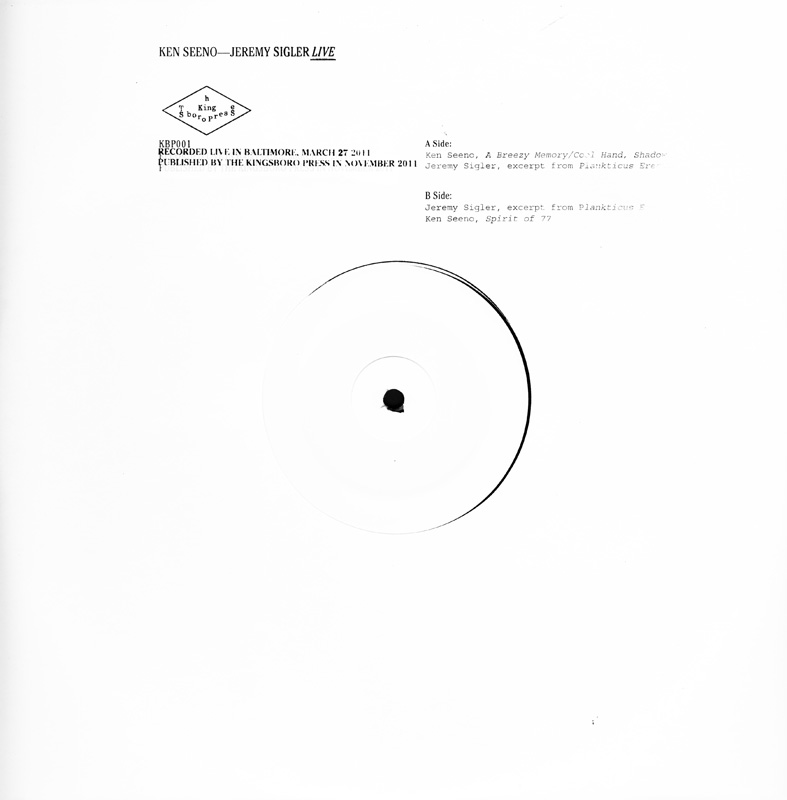
Ken Seeno and Jeremy Sigler, Live
12-inch vinyl record, silkscreened 1/1, 12 x 12 inches [12.75 x 12.75 in poly sleeve]
Edition of 150, numbered
Published by The Kingsboro Press
$25.00 ·
B side: Jeremy Sigler, excerpt from Plankticus Erectus; Ken Seeno, Spirit of 77
The Dead Sea
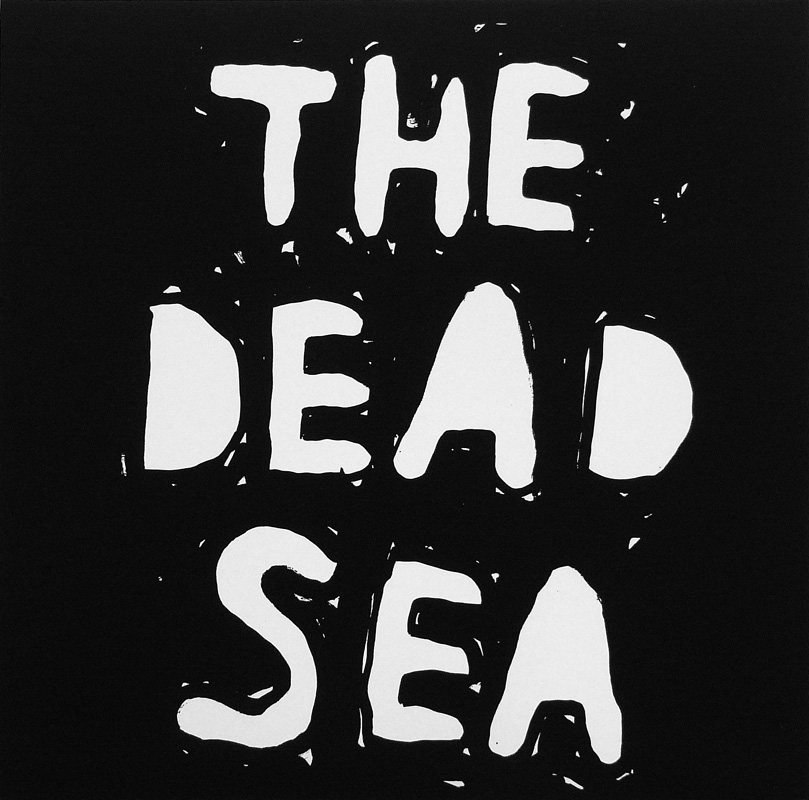
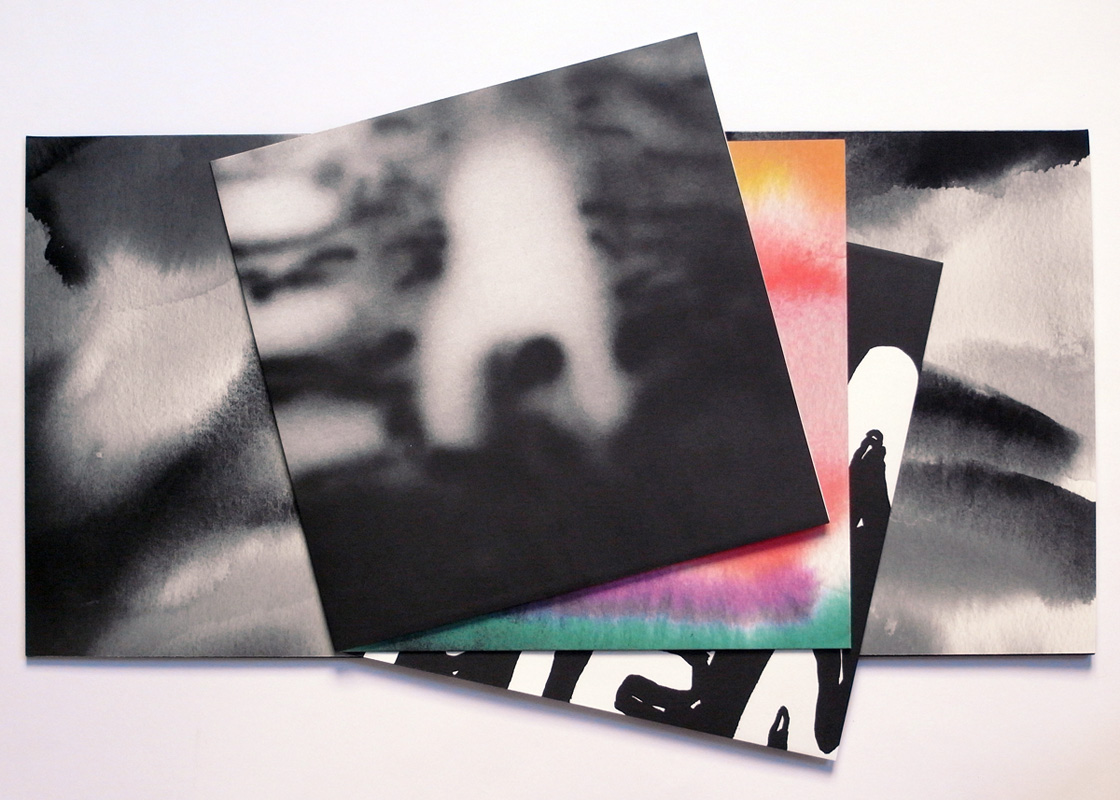
Stefan Marx, The Dead Sea
Hardboard/gatefold record sleeve, 3 posters, offset 1/1, 600 x 900 mm
Edition of 1000
ISBN 978-3-905999-01-3
Published by Nieves
$18.00 ·
Now is the time for himself to release an extraordinary Smallville/Nieves issue in 12-inch format. Three folded posters (each has the size of 90 x 60 cm) including a first appearance of his Band project The Dead Sea (aka Stefan Marx, RVDS, Lawrence and Birte Löschenkohl).
The Book Trust Prospectus
The Book Trust Prospectus
Edited by Benjamin Critton, Harry Gassel, Brendan Griffiths, Zak Klauck and Mylinh Nguyen
Softcover, 160 pp., offset 1/1, 4.25 x 7 inches
Edition of 500
ISBN 978-1-928570-15-8
Published by IFS, Ltd.
$19.10 ·
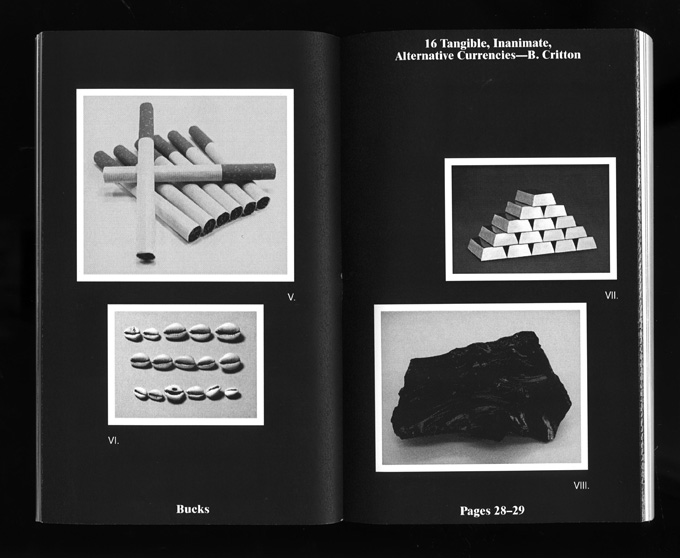
The Trust and the accompanying Book Trust Prospectus address matters of micro-economy and distribution, as well as prescribed versus perceived value. The project suggests a new currency specific to the setting of the Book Fair, a context in which a distinct set of commodities is exchanged by like-minded vendors in a finite space and time. It is only in this setting that a book could be posited as capital — a literal stand-in for the money that commonly exchanges hands at the Fair. Perceived worth is thus no longer dictated by edition or price, but instead by a trader’s subjective notion of the values they assign each book.
Over the three days of the Fair, the book, produced in a fixed quantity of 500, varied in value as each negotiation determined and redetermined its worth in the marketplace. With each transaction, the Prospectus assumed the value of the book for which it was exchanged. The traded commodities now comprise The Book Trust — a value-appreciating book bank. By trading with IFS, Ltd., participants acquired a single theoretical share of the bank, the Prospectus acting as a document of that transaction. In framing the project in a format similar to that of a stock exchange, IFS, Ltd. hopes that the Trust emphasizes the tenuous, abstract value of the book: as a designed object, as a medium for content, as a traded commodity, and as a symbol of participation in the project itself.
Prospectus
The Book Trust Prospectus is, in non-equal parts: a local currency, a stock prospectus for The Book Trust, an exploration into the nature of small-scale publishing and its presence at the NY Art Book Fair (R. Giampietro), a survey of precedented alternative currencies (B. Critton), a platform for hyperbolic re-representations of anonymous fiat money (R. Rozendaal), a foray into corporate branding and rebranding (Metahaven et al.), a proposal for a time-based repurposing of existing banknotes (N. Hirsch & Z. Kyes), an analysis of the current state of [art] book-publishing and -design (L. v. Deursen et al.), a venue for research into non-essential commodity futures like tulips and Beanie Babies™ (H. Gassel), a profile of independent art book vendors (Golden Age), and a podium for experimentation with anti-counterfeiting guilloché renderings (B. Griffiths & Z. Klauck). It is the story of its own making and financing as well as an evaluation of the context in which it was made and financed. The Prospectus is a 160-page, perfect-bound, one-colour book, offset-printed in an edition of five hundred by GHP printing in West Haven, Connecticut, USA.
Cancelled
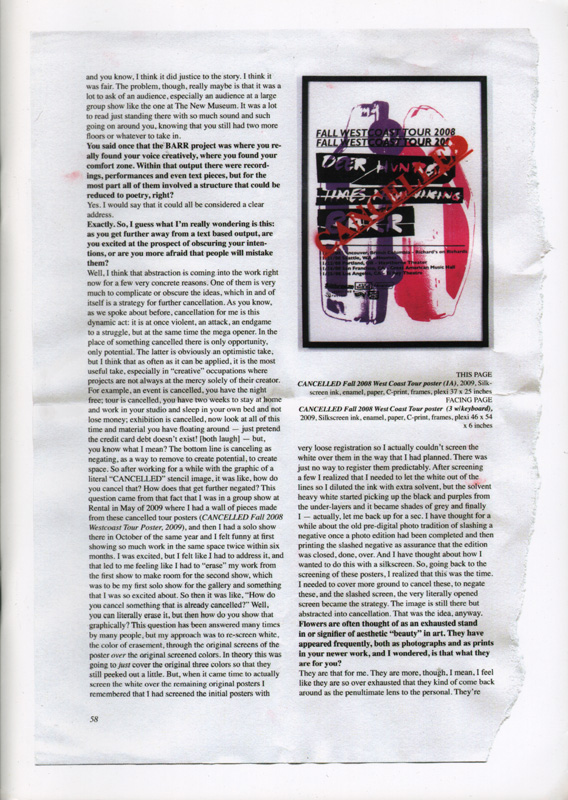
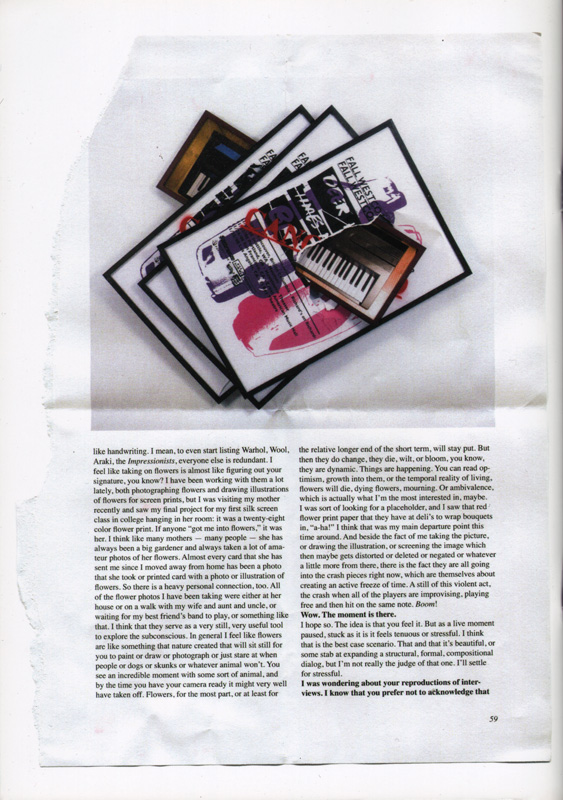
Brendan Fowler, Cancelled
Softcover, 60 pp., offset 4/1, 7 x 10 inches
Edition of 1000
Published by 100% Biz
$20.00 ·
— Brendan Fowler
Born in Flames
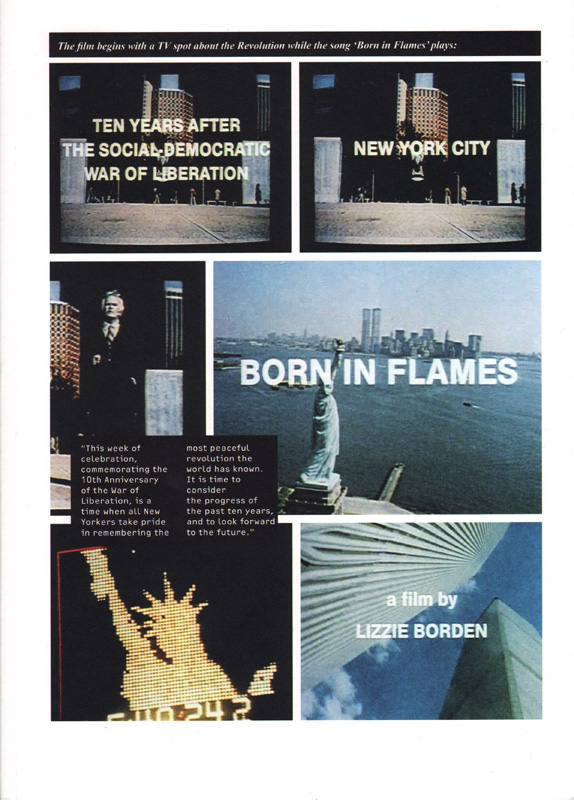
Lizzie Borden, Born in Flames
Softcover, 32 pp., offset 4/4, 210 x 297 mm
Edition of 1000
ISBN 978-0-9562605-9-8
Published by Occasional Papers
$18.00 · out of stock
‘Born in Flames poses the question of whether oppression against women will be eliminated under any kind of social system. […] It is a fantasy presenting a group of women who, confronted with the very “ordinary” oppression women have been experiencing for decades, refuse to take it any longer and become armed fighters against the government. Their position is that oppression against women is not eliminated automatically with “socialism” — not only do political values have to change, cultural values must change and become embedded in practice.’
— Lizzie Borden in Heresies #16, 1983
In the spirit of Borden’s film, the publication was collectively funded by the following individuals and institutions:
Stuart Bailey, Heather Bradley, Eleanor Brown, Geoffrey Brusatto, Culturgest, Wayne Daly, Chris Evans, Beatrice Gibson, Nick Gordon, The Hawthorne Archive, Erna Hecey, Onno Hesselink, Will Holder, Jeff Khonsary, Koenig Books, Uriel Orlow, Falke Pisano, Philomene Pirecki, PrintRoom: Karin de Jong, Ewoud van Rijn, Pro QM, David Reinfurt, Jane Rolo, Catherine de Smet, Benjamin Thorel, Giulia Vallicelli, and Julia Zay.
The Artist as an Instigator of Changes in Social Cognition and Behaviour

Stephen Willats, The Artist as an Instigator of Changes in Social Cognition and Behaviour
Softcover, 96 pp., offset 2/1, 130 x 210 mm
Edition of 1000
ISBN 978-0-9562605-6-7
Published by Occasional Papers
$18.00 · out of stock
The Master Builder
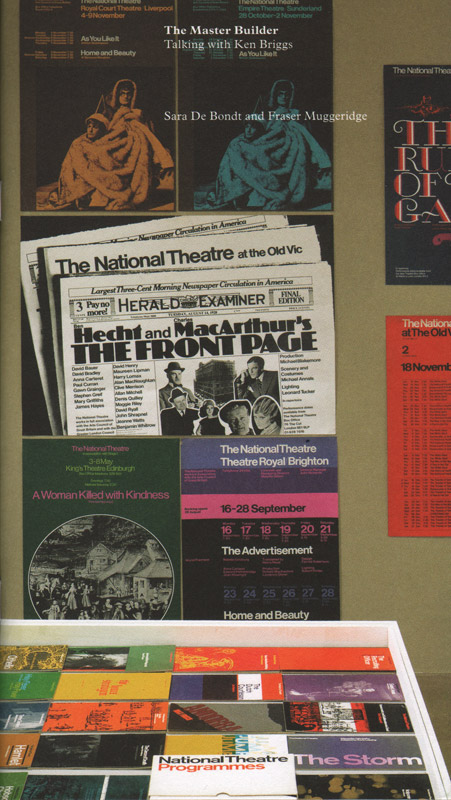
Sara De Bondt and Fraser Muggeridge, The Master Builder
Softcover, 28 pp., offset 4/4, 130 x 230 mm
Edition of 1000
ISBN 978-0-9562605-0-5
Published by Occasional Papers
$8.00 · out of stock
When asked about his structured, asymmetrical booking forms for the theatre, Briggs claims ‘I didn’t care about beauty or the lack of it. They are purely typographic,’ then goes on to explain his colour system: ‘from warm colours in winter to cool colours in summer: red, ochre, purple, bright blue and so on.’ Which is why he was known as the colourist.
Sara & Gerald
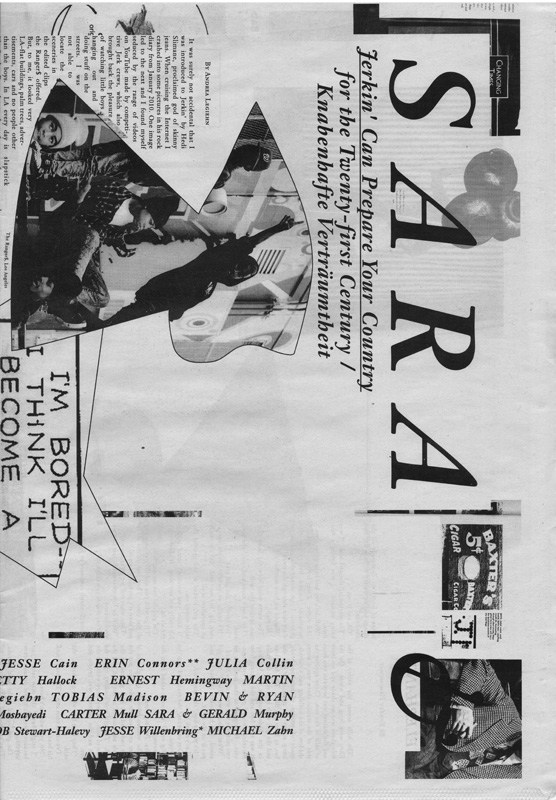
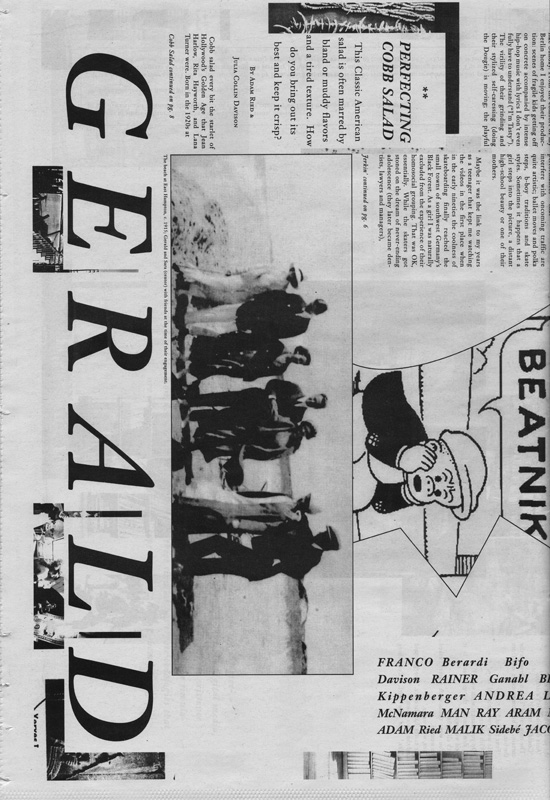
P & Co., Sara & Gerald
Newspaper, 12 pp., web offset 1/1, 11 x 17 inches [17 x 22 inches unfolded]
Edition of 500
Published by P & Co.
out of print
Published on a biannual basis, each issue is loosely organized around a personality of historical significance and provides the occasion for a network of affiliates from diverse critical and artistic backgrounds to explore innovative modes of study.
With an emphasis on the free and uninhibited circulation of images, information and ideas, P & Co. reconsiders the material conditions of newsprint in a cultural sphere characterized by aggregate forms of social media.
Eaders Digest 1
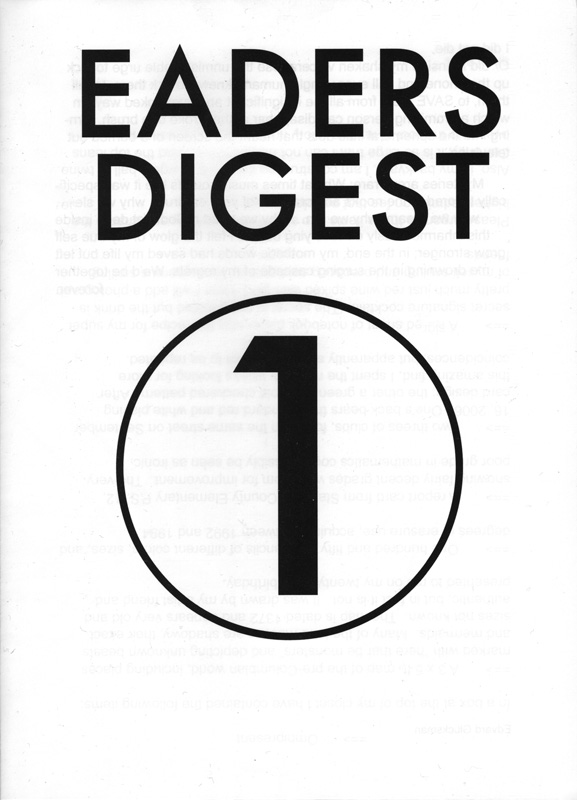
Eaders Digest 1
Softcover, 18 pp., offset 1/1, 140 x 200 [420 x 600 mm unfolded]
Edition of 1000
Published by Eaders Digest
$4.00 ·
Digestion started in 2009 as a set of experiments about metabolizing information. Eaders Digest currently takes the form of a publication.
In each issue, a six-stage metabolic reaction is begun. A previously published text is selected and sent to the first participant, who is asked to digest the text into another piece that must be a fixed number of words fewer than the original. The response can take any form within the word count constraint, borrowing from or transforming the source material. The digested text is sent to the next contributor with the same instructions. The word count shrinks weekly, until the final reduction phase is performed by the writer of the first seminal text.
The Kingsboro Press 7

The Kingsboro Press 7
Softcover, 160 pp., offset 1/1, 8.5 x 11 inches
Edition of 500
Published by The Kingsboro Press
$20.00 ·