The New Modern Hair: A Styling Chart


Silvia Prada, The New Modern Hair: A Styling Chart
Softcover, 32 pp., offset 1/1, 200 x 270 mm
Edition of 500, hand numbered
ISBN 978-0-615-66610-5
Published by cultureEDIT and Silvia Prada
$35.00 ·
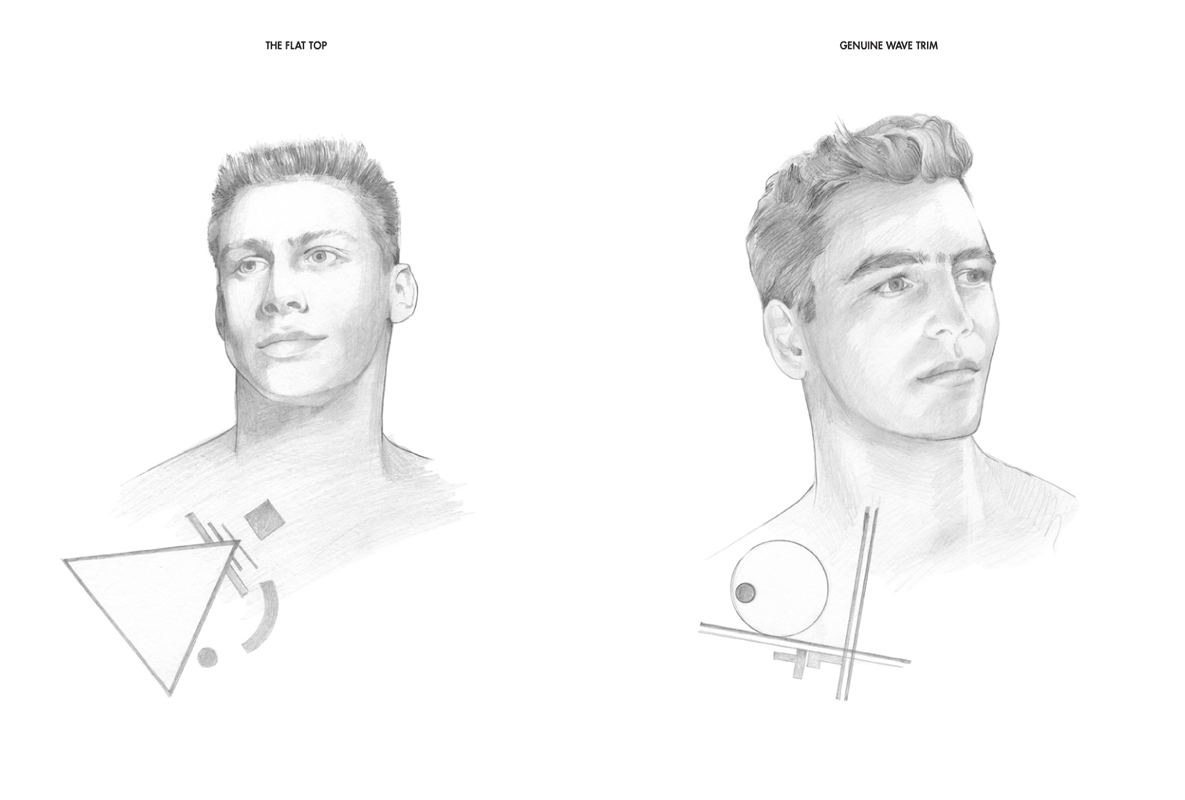
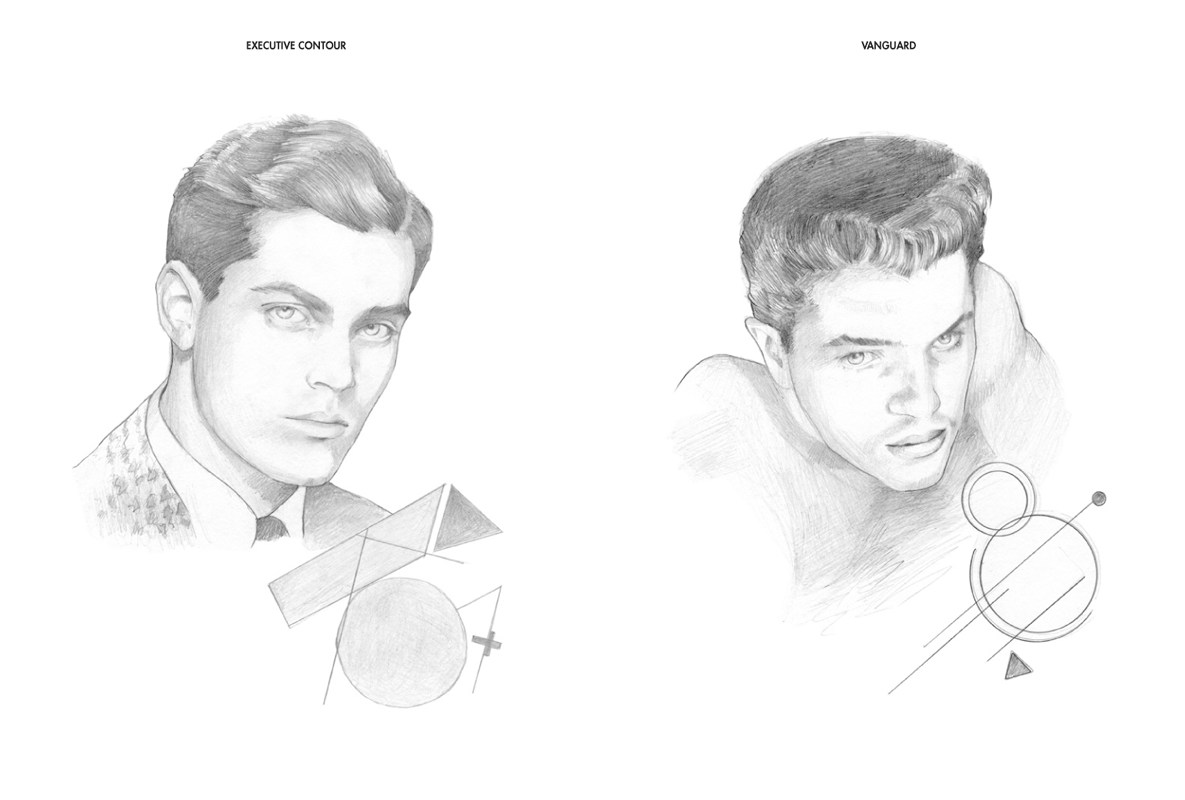
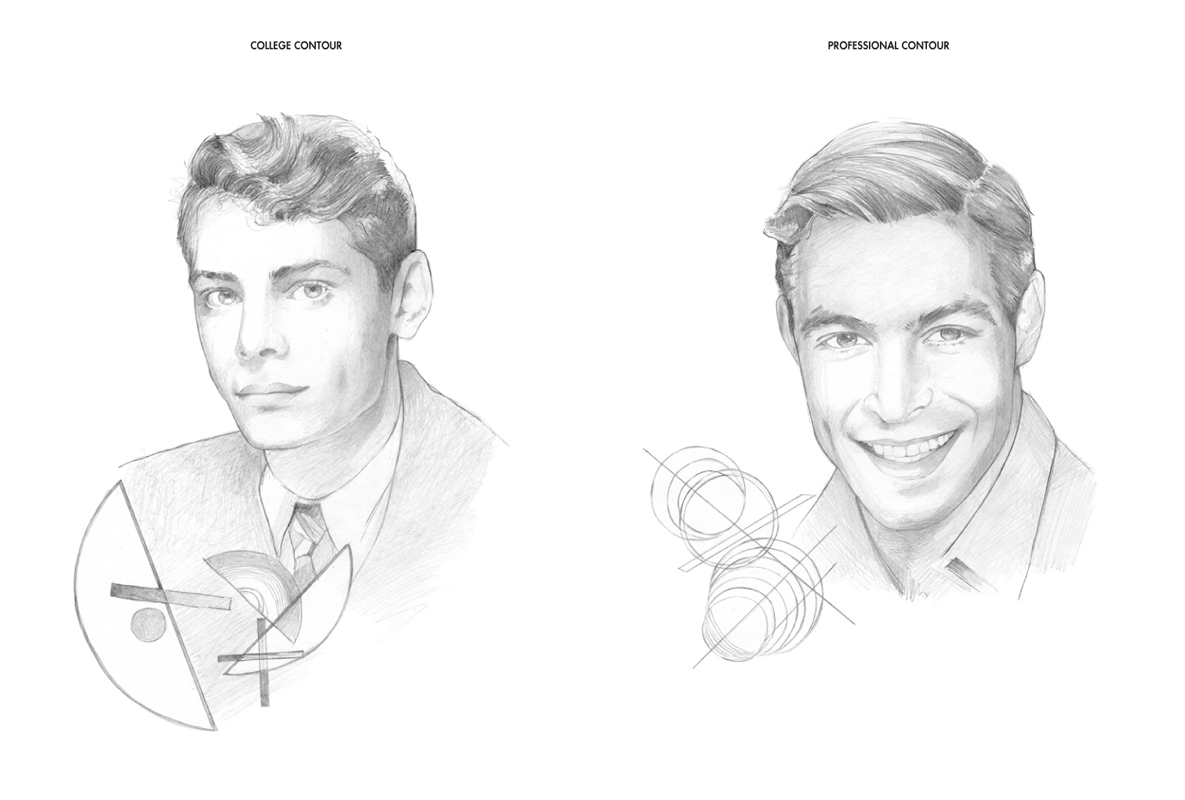
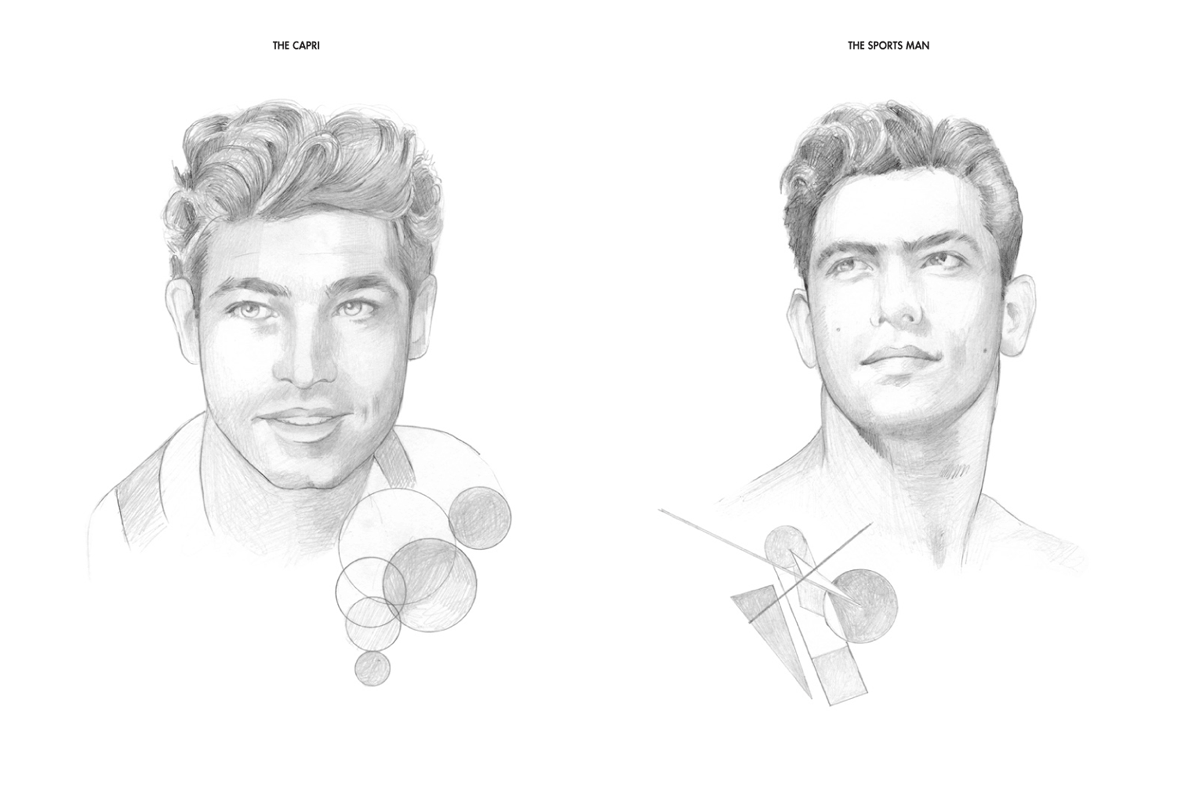
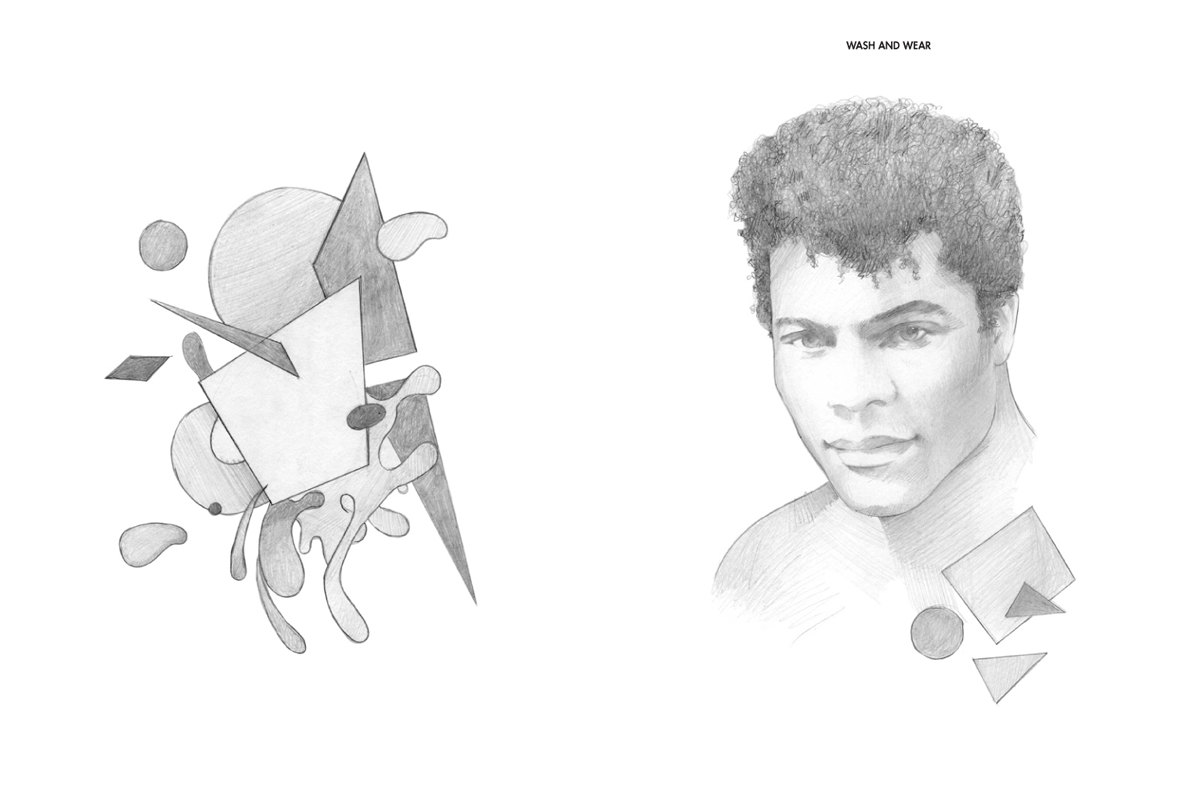
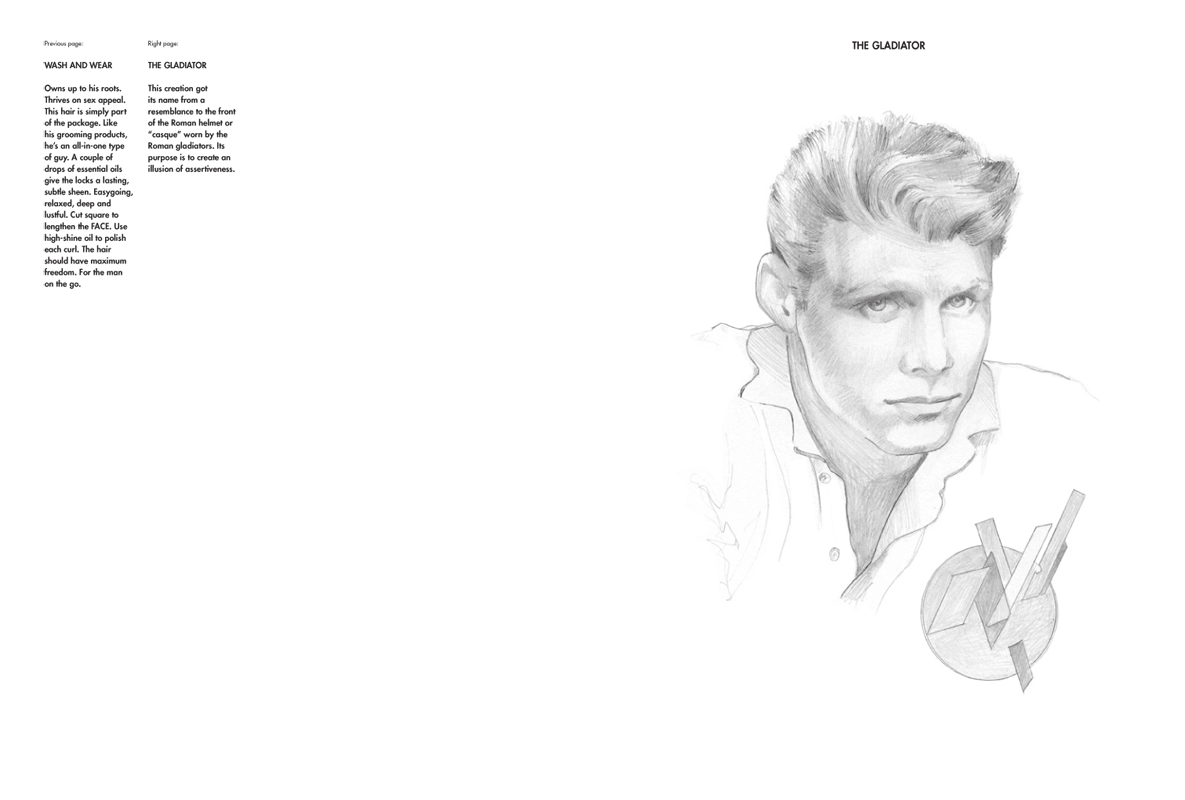
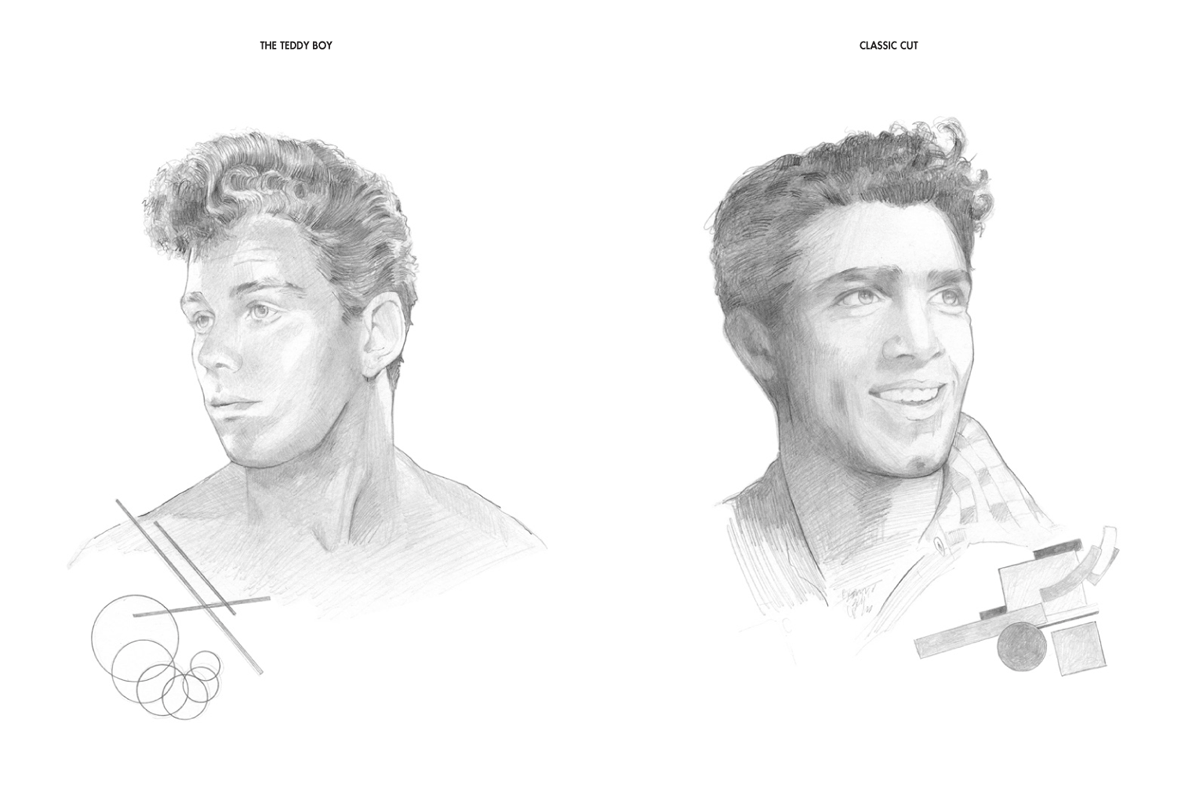
The portraits — with names ranging from The Flat Top to Executive Contour — feature commentary and meticulous instructions on how to obtain each look in order to resemble the lifestyle pictured. The geometric drawings, all whimsical remixes of 20th-century art movements such as Bauhaus, De Stijl and Russian Constructivism, highlight the emphasis on the shape for each hairstyle and command a manifesto for the references that each portrait points to.
The Variable Place


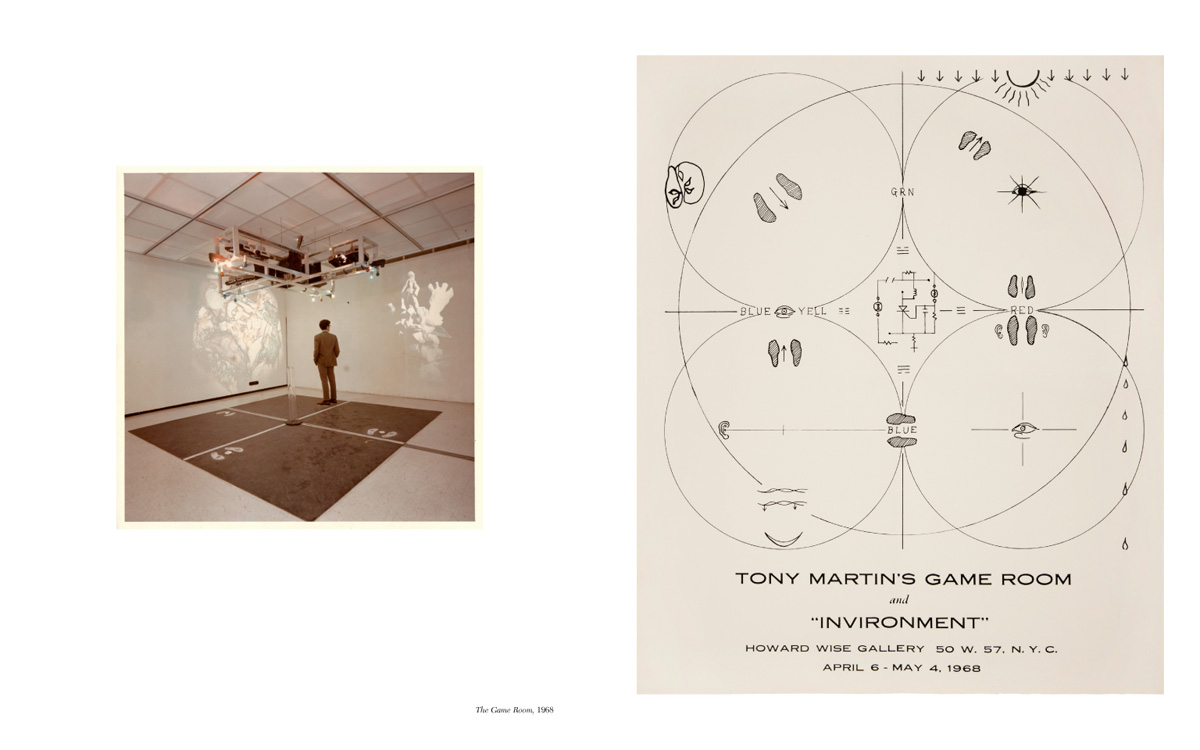
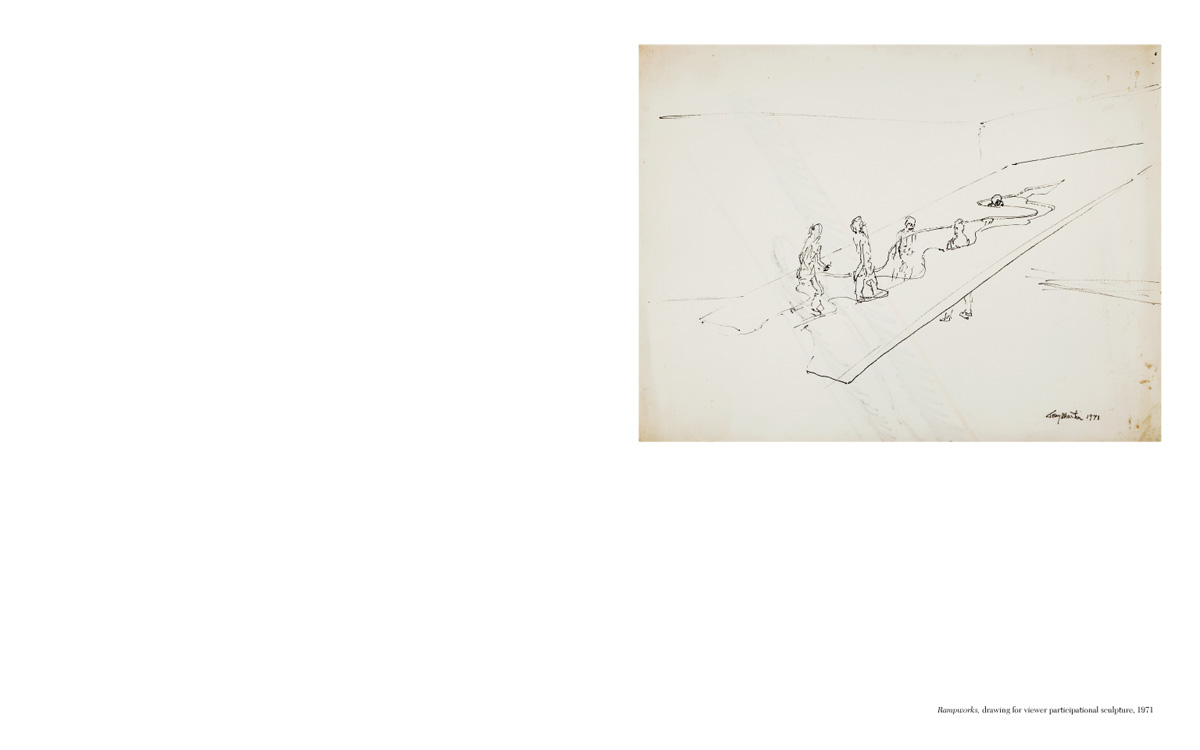
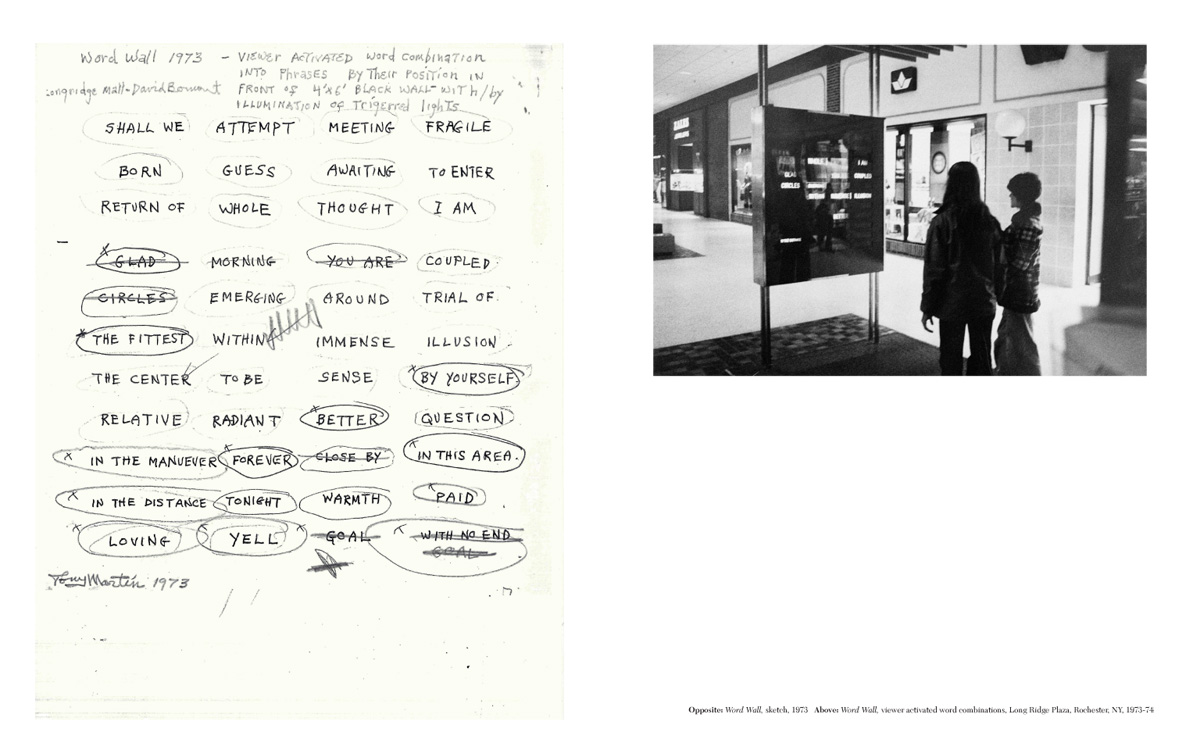
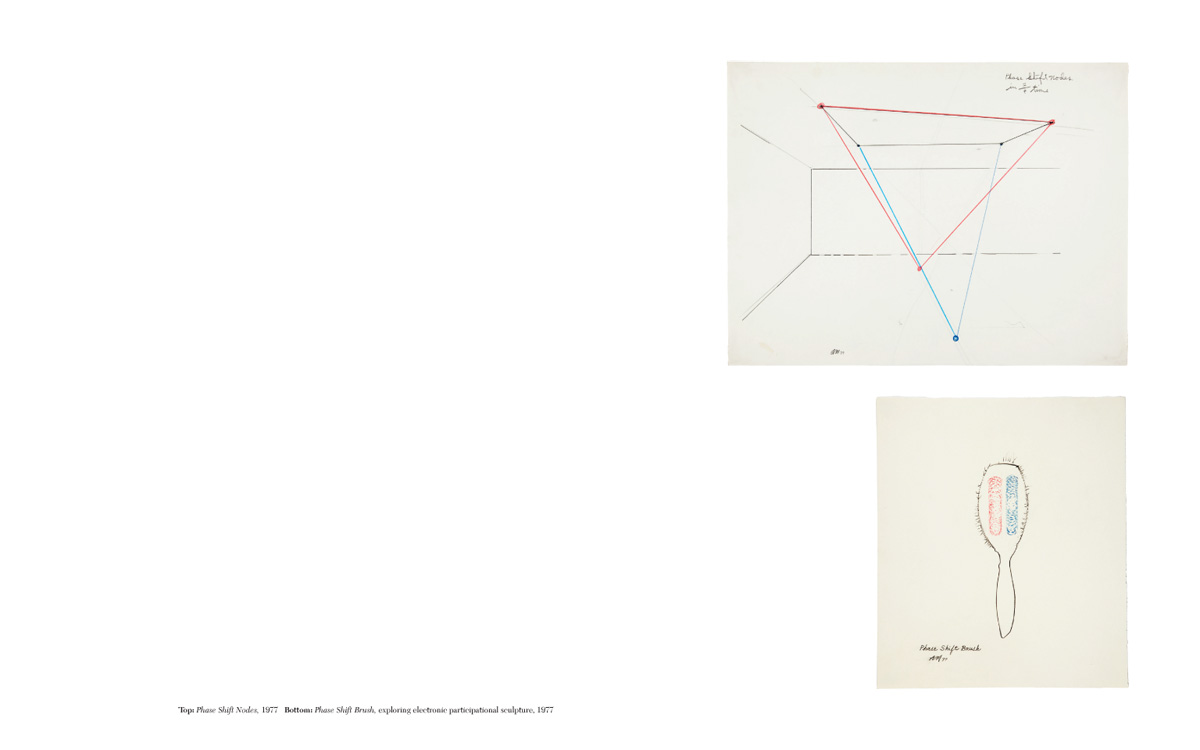
Tony Martin, The Variable Place
Edited by Camilla Padgitt-Coles and Nicky Mao
Softcover, 104 pp., offset 4/4, 8 x 10 inches
Edition of 350
Published by AB-SENS PRESS
$28.00 ·
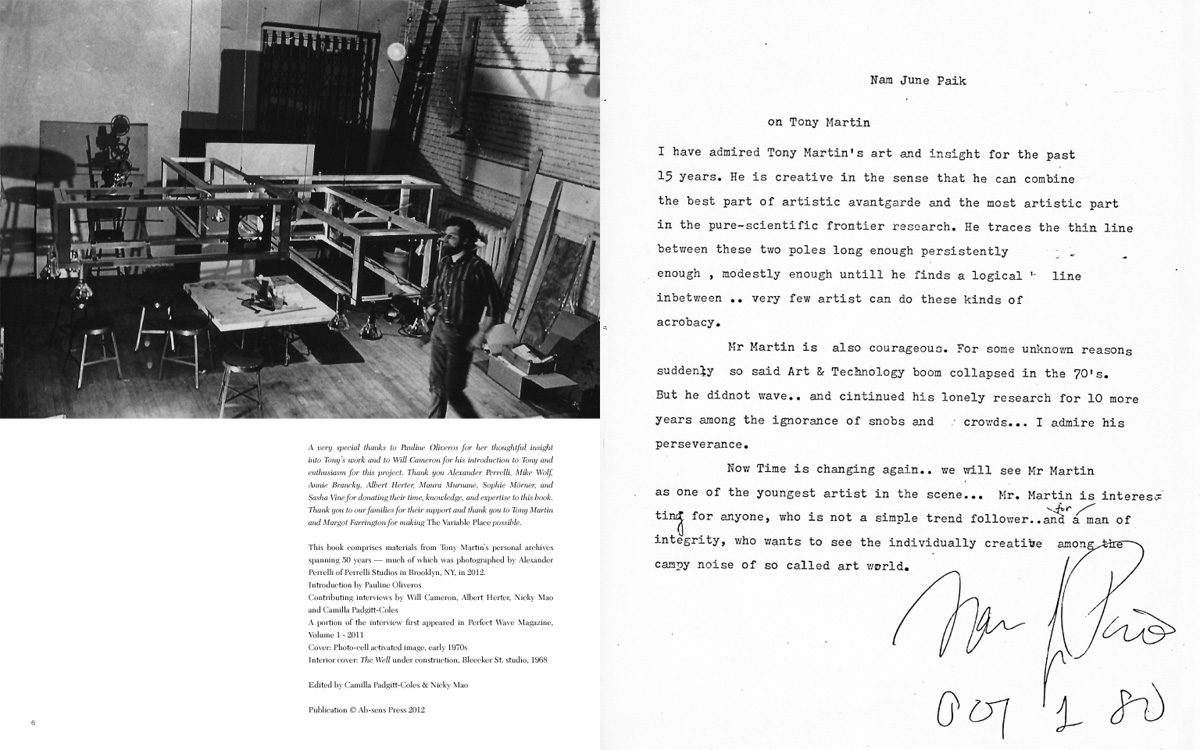
The Variable Place is the first book of its kind to tie together over 50 years of Tony Martin’s work. It includes an in-depth interview with Martin by Will Cameron, Albert Herter and the editors. As well as a special introduction by long-time friend/collaborator Pauline Oliveros.


fillip 17
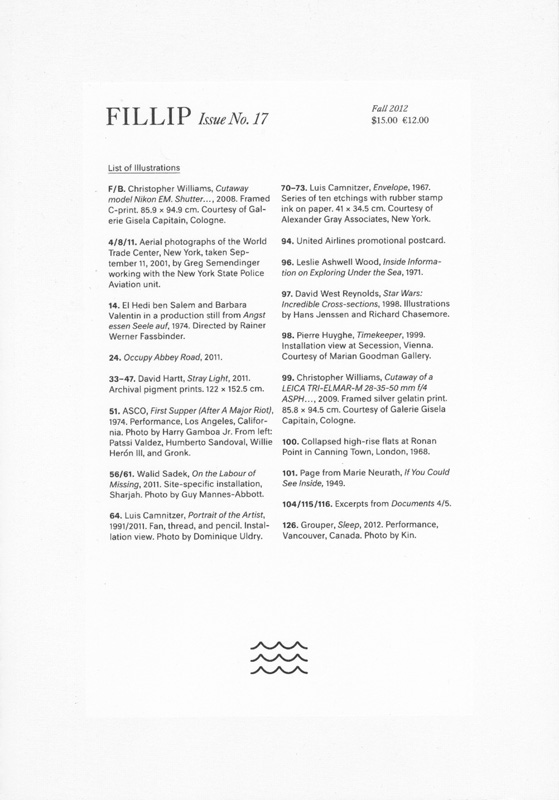
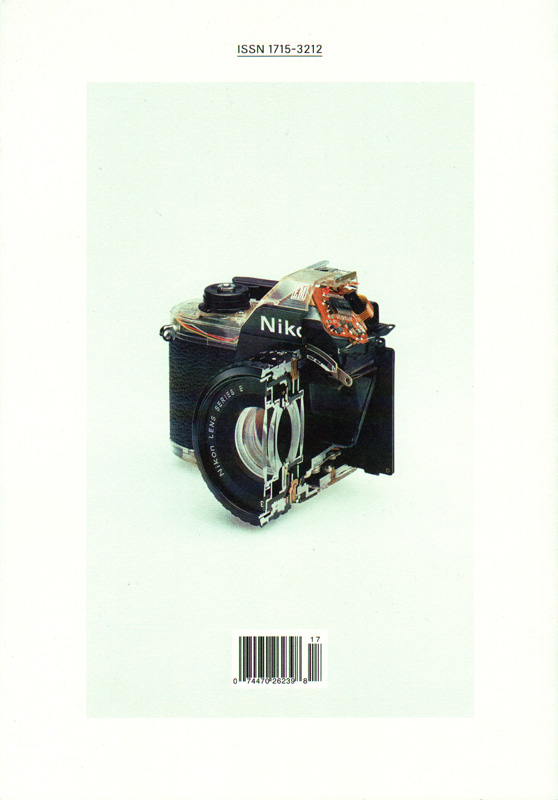
fillip 17
Softcover, 156 pp., offset 4/1, 170 x 245 mm
Edition of 2500
ISSN 1715-3212
ISBN 978-1-927354-07-0
Published by Fillip
$15.00 ·
Taking as its point of departure Giorgio Agamben’s suggestion that subjectivity emerges from the relentless struggle between living beings and the various apparatuses in which they are captured, Apparatus, Capture, Trace, reflects on the links between such apparatuses whose operations today appear increasingly intertwined: photography and biopolitics.
1. Series: Apparatus, Capture, Trace
2. David Geers, Open Call
3. Walid Sadek and Mayssa Fattouh, Tranquility is Made in Pictures
4. David Hartt, Stray Light (Portfolio)
5. Renato Rodrigues da Silva, El Instrumento y Su Obra
6. James Langdo, A Eulogy for the Cutaway
7. Miwon Kwon and Helen Molesworth, Documents Magazine, 1992-2004
8. Caren Kaplan, Aerial Photography as Biopower in the Visual Culture of 9/11
9. Maria Muhle, Imitation of Life: Biopolitics and the Cinematographic Image
MATERIAL 3
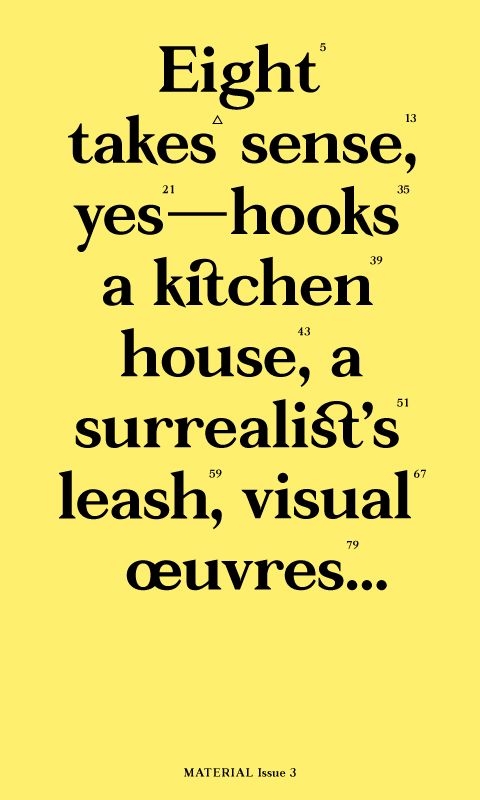

Ginny Cook and Kim Schoen, MATERIAL 3
Softcover, 96 pp. + insert, offset 2/1, 160 x 270 mm
Edition of 500
ISBN 978-0-9801441-2-3
Published by MATERIAL Press
$15.00 ·
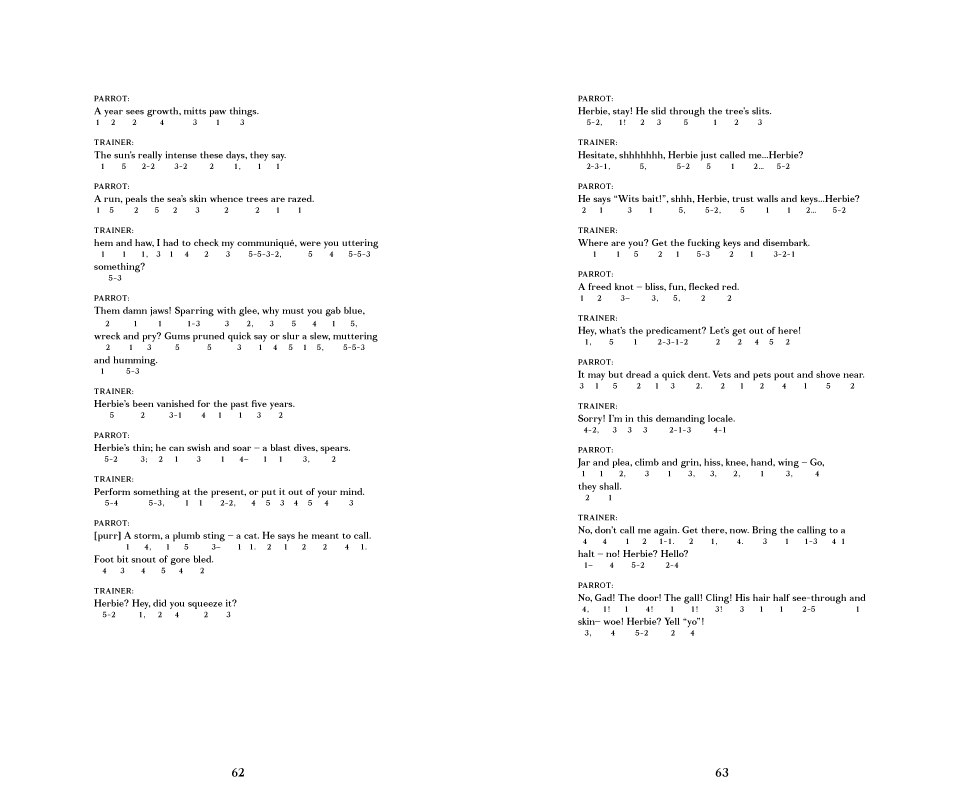
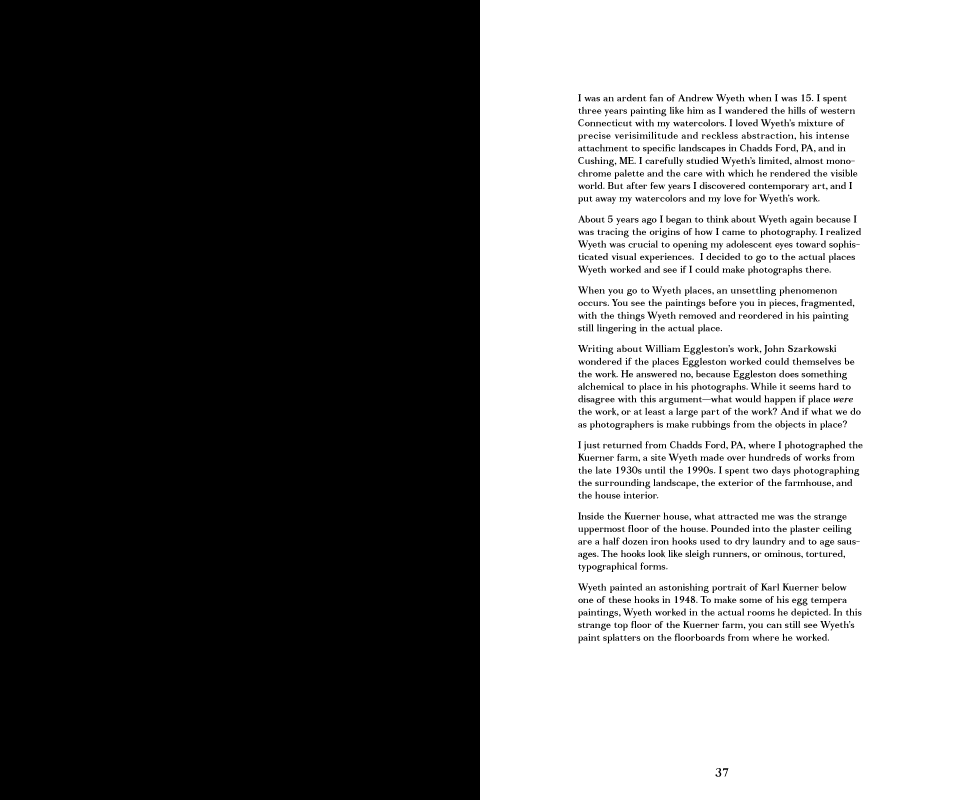
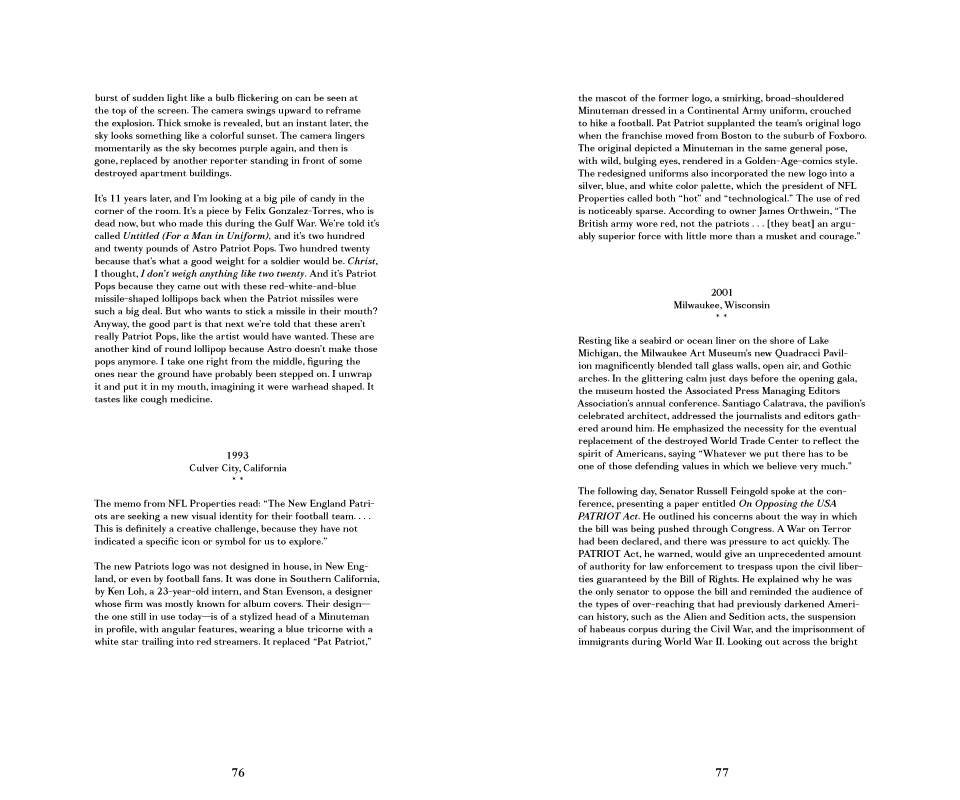
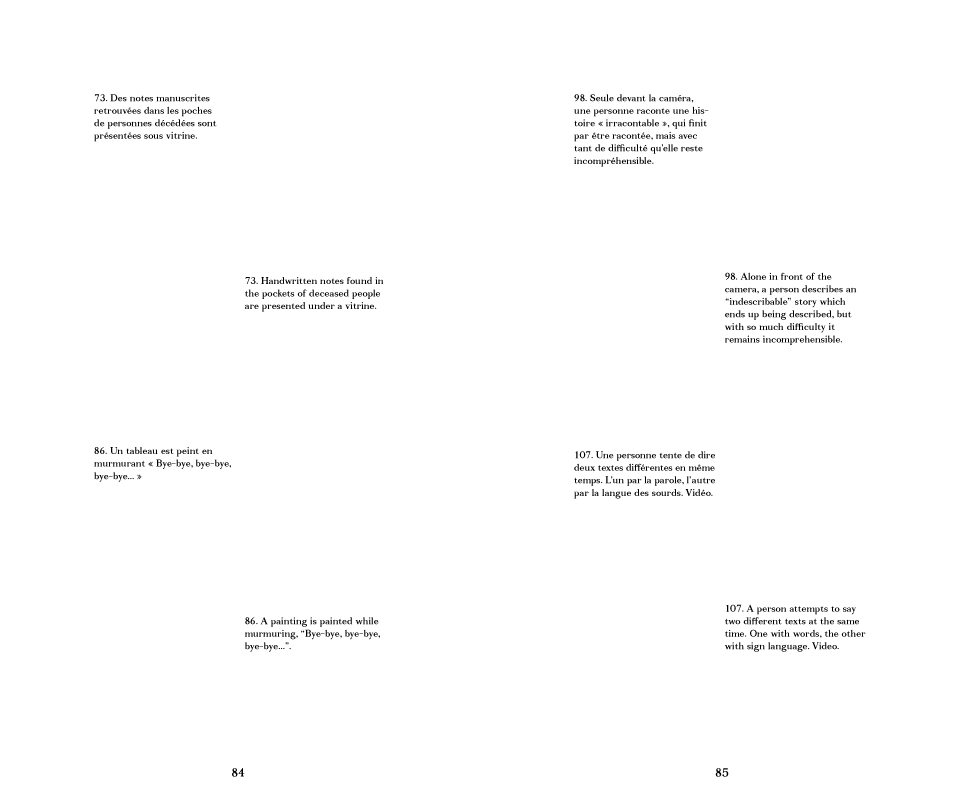
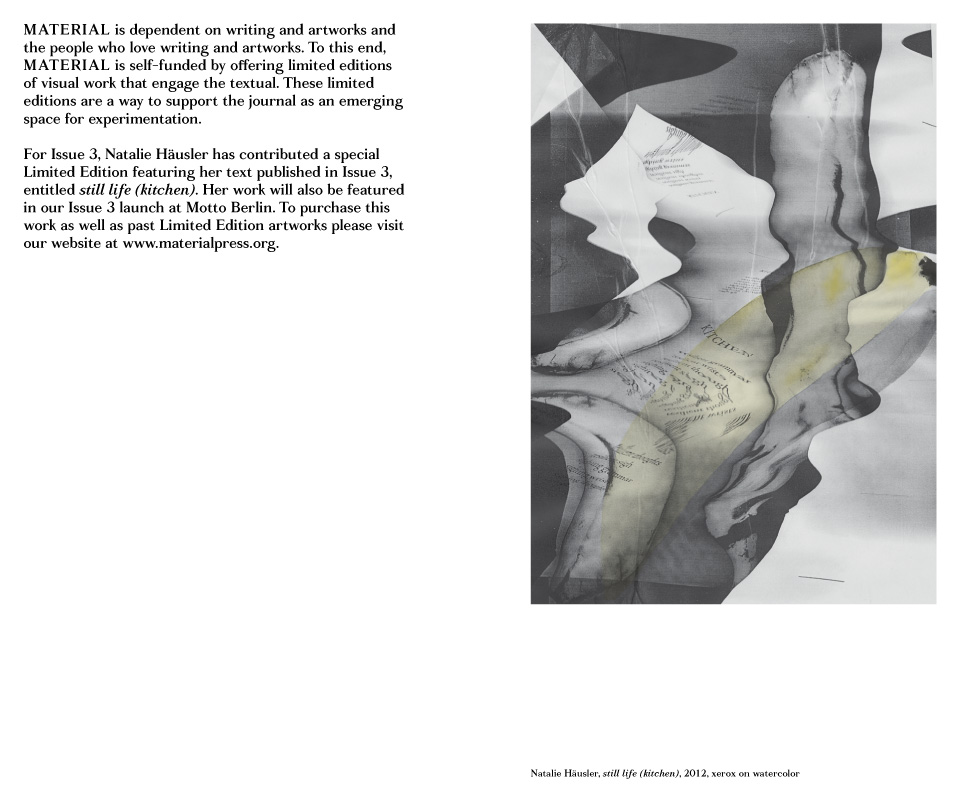
Concatenation (c.1600, from L.L. concatenatus, pp. of concatenare “to link together,” from com- “together”+ catenare, from catena “a chain”) seemed an appropriate word for our editorial method. An unlikely assemblage of texts becomes connected through this process; uncanny linkages emerge. Wyeth appears twice. Performances interact. In this issue: voices that duel, voices that parrot, voices that hypothesize, translate, and meditate, voices that speak simultaneously. As Roland Barthes writes, we have assembled these textual events, as “pleasure in pieces; language in pieces; culture in pieces,” to build upon one another into something new.*
*Roland Barthes, The Pleasure of the Text, trans. Richard Miller (New York: Hill and Wang, 1975), p. 51
CONTRIBUTORS
Farrah Karapetian, Paul Zelevansky, Renee Petropoulous, Nate Harrison, James Welling, Natalie Häusler, Harold Abramowitz, Shana Lutker Stephanie Taylor, Alice Könitz, Frank Chang, and Emily Mast.
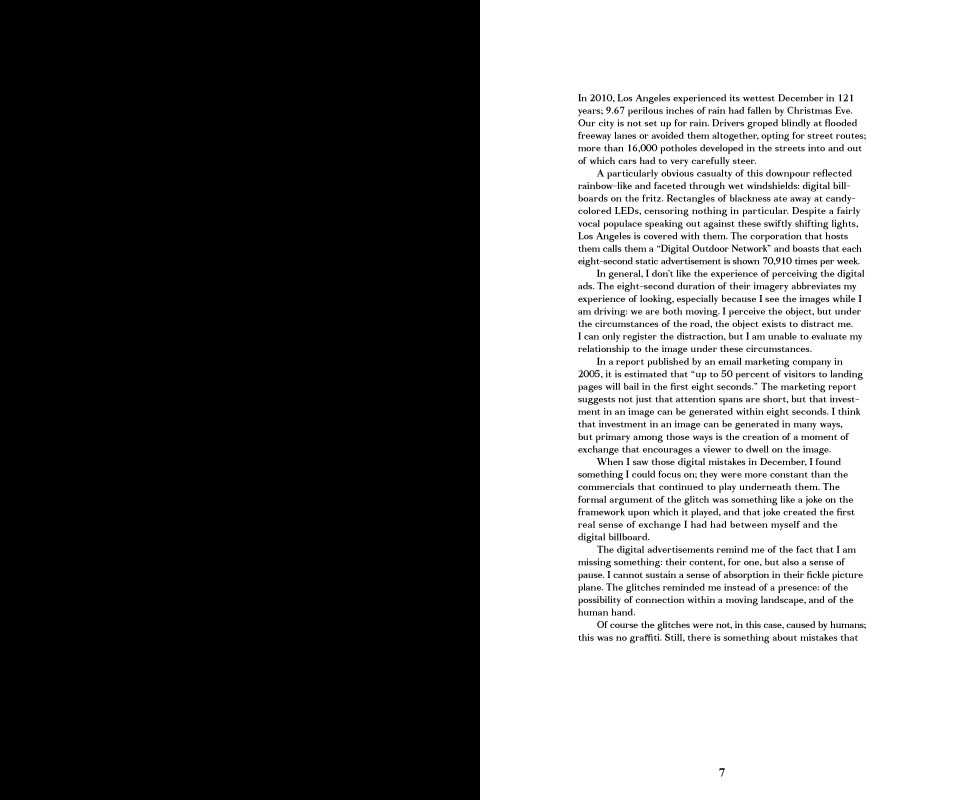
Outpost Journal 2

Outpost Journal 2, Baltimore
Softcover, 64 pp. + insert, offset 4/4, 9 x 12 inches
Edition of 500
ISBN 978-0-9836082-1-9
Published by Outpost Journal
$15.00 ·
Exploratory and playful, critical with a sense of levity, and inspired by hand-drawn maps, flags, totem poles, poorly pixelated iPhone photos, moody landscapes, and the spirit of adventure, Outpost is dedicated to strengthening ties between communities and spreading new ideas about how creative culture can change our world.


A Book About Some People And Time

Myung Feyen, A Book About Some People And Time
Softcover, 126 pp., offset 2/2, 170 x 240 mm
Edition of 500
ISBN 978-90-77713-48-8
Published by Myung Feyen
$33.00 ·
Such a correspondence cannot be distinguished from the projects, which she presents as works of art. She has a collection of passport photographs of people who have played an important role in her life in some way, accumulated since her early youth. She takes photographs of her parents on every occasion she meets them, keeping the photos in an archive along with the date they were taken. For years she has been making lists of everybody who has come over to visit her. She also creates diagrams of this information — strange calendars drawn on the walls of exhibition spaces. She collects water and sand of places she or her friends have visited. These samples are packed and kept in a standard uniform method and then documented. Bit by bit, an atlas containing the voyages of Myung Feyen and her friends comes into being.


In the Beginning it was Humid
Bastien Aubry and Dimitri Broquard, In the Beginning it was Humid
Softcover, 48 pp., offset 4/4, 195 x 255 mm
Edition of 1000
ISBN 978-3-905999-03-7
Published by Nieves
$20.00 · out of stock
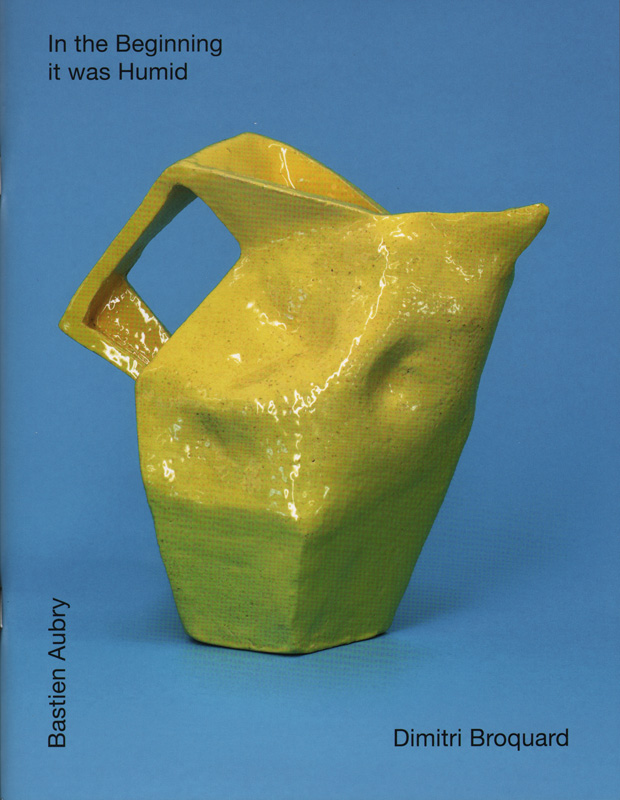
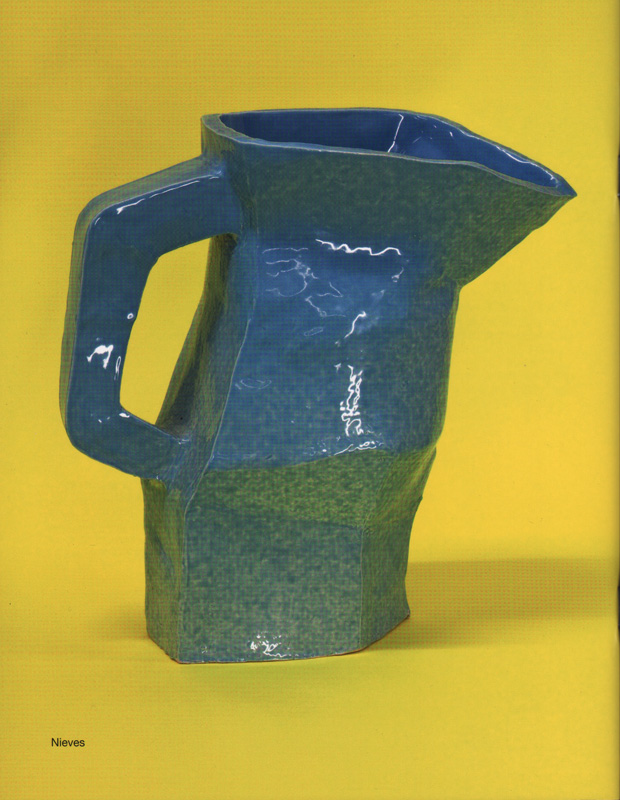
Bastien Aubry (1974) and Dimitri Broquard (1969) established the two-man design studio Flag in 2002. They work for art and cultural institutions, producing catalogues, artists books, magazines and posters. FLAG also creates drawings, illustrations for editorials and private projects. Both Broquard and Aubry respectively teach at art schools in Switzerland.
The Book Trust Prospectus
The Book Trust Prospectus
Edited by Benjamin Critton, Harry Gassel, Brendan Griffiths, Zak Klauck and Mylinh Nguyen
Softcover, 160 pp., offset 1/1, 4.25 x 7 inches
Edition of 500
ISBN 978-1-928570-15-8
Published by IFS, Ltd.
$19.10 ·
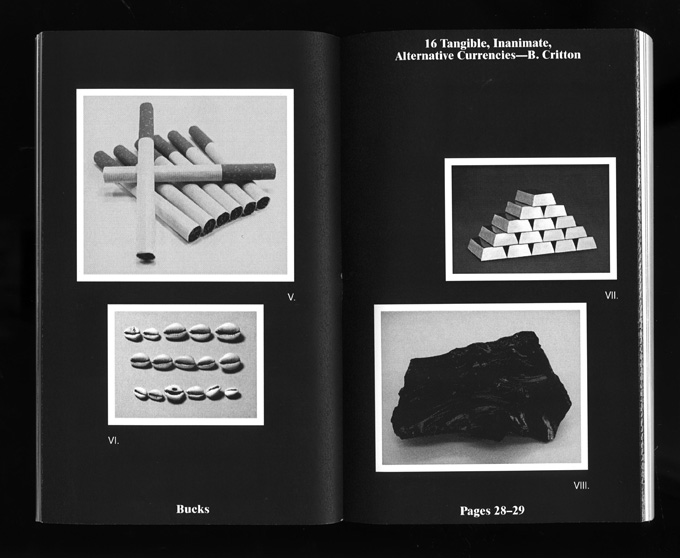
The Trust and the accompanying Book Trust Prospectus address matters of micro-economy and distribution, as well as prescribed versus perceived value. The project suggests a new currency specific to the setting of the Book Fair, a context in which a distinct set of commodities is exchanged by like-minded vendors in a finite space and time. It is only in this setting that a book could be posited as capital — a literal stand-in for the money that commonly exchanges hands at the Fair. Perceived worth is thus no longer dictated by edition or price, but instead by a trader’s subjective notion of the values they assign each book.
Over the three days of the Fair, the book, produced in a fixed quantity of 500, varied in value as each negotiation determined and redetermined its worth in the marketplace. With each transaction, the Prospectus assumed the value of the book for which it was exchanged. The traded commodities now comprise The Book Trust — a value-appreciating book bank. By trading with IFS, Ltd., participants acquired a single theoretical share of the bank, the Prospectus acting as a document of that transaction. In framing the project in a format similar to that of a stock exchange, IFS, Ltd. hopes that the Trust emphasizes the tenuous, abstract value of the book: as a designed object, as a medium for content, as a traded commodity, and as a symbol of participation in the project itself.
Prospectus
The Book Trust Prospectus is, in non-equal parts: a local currency, a stock prospectus for The Book Trust, an exploration into the nature of small-scale publishing and its presence at the NY Art Book Fair (R. Giampietro), a survey of precedented alternative currencies (B. Critton), a platform for hyperbolic re-representations of anonymous fiat money (R. Rozendaal), a foray into corporate branding and rebranding (Metahaven et al.), a proposal for a time-based repurposing of existing banknotes (N. Hirsch & Z. Kyes), an analysis of the current state of [art] book-publishing and -design (L. v. Deursen et al.), a venue for research into non-essential commodity futures like tulips and Beanie Babies™ (H. Gassel), a profile of independent art book vendors (Golden Age), and a podium for experimentation with anti-counterfeiting guilloché renderings (B. Griffiths & Z. Klauck). It is the story of its own making and financing as well as an evaluation of the context in which it was made and financed. The Prospectus is a 160-page, perfect-bound, one-colour book, offset-printed in an edition of five hundred by GHP printing in West Haven, Connecticut, USA.
Outpost Journal 1

Outpost Journal 1, Pittsburgh
Softcover, 64 pp., offset 4/1, 9 x 12 inches
Edition of 500
ISBN 978-0-9836082-0-2
Published by Outpost Journal
$15.00 · out of stock
Exploratory and playful, critical with a sense of levity, and inspired by hand-drawn maps, flags, totem poles, poorly pixelated iPhone photos, moody landscapes, and the spirit of adventure, Outpost is dedicated to strengthening ties between communities and spreading new ideas about how creative culture can change our world.
Footnote to a Project*
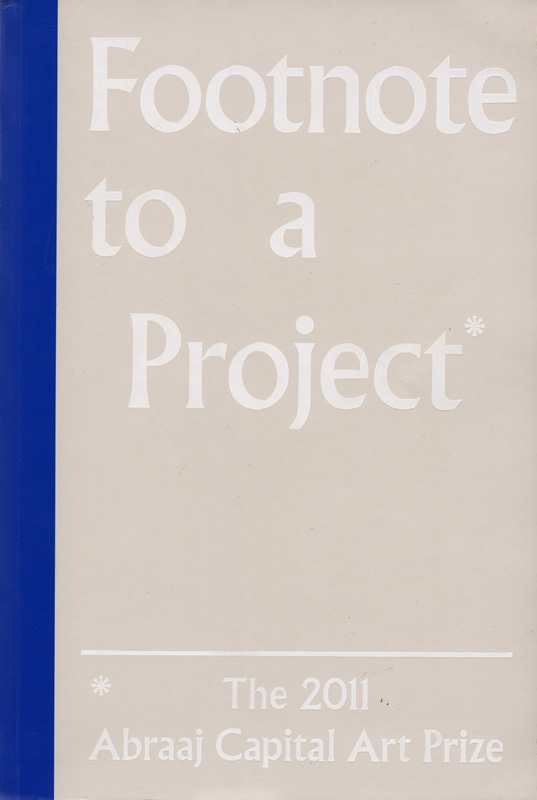
Sharmini Pereira, Oliver Knight and Rory McGrath, Footnote to a Project*
Softcover, 536 pp., offset 4/1, 210 x 310 x 35 mm
Edition of 2000
ISBN 978-0-9560704-5-6
Published by Abraaj Capital Art Prize
$35.00 ·
Art & Seoul Magazine 2

Art & Seoul Magazine 2
Softcover, 36 pp., offset 4/4, 210 x 275 mm
Insert: booklet, 20 pp., offset 4/4, 148 x 210 mm
English and Korean
Edition of 1000
Published by Art & Seoul
$10.00 · out of stock
C Magazine 111
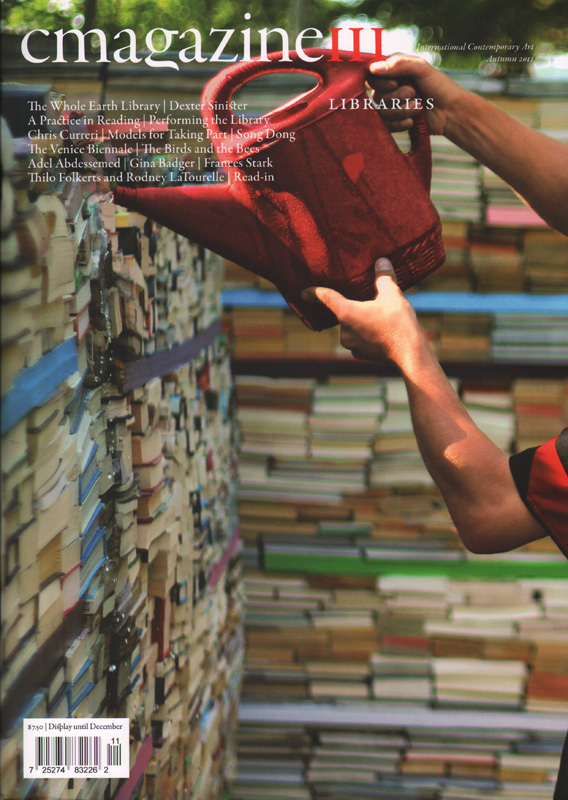
C Magazine 111, Libraries
Softcover, 60 pp., offset 4/1, 210 x 295 mm
Edition of 2200
ISSN 1480-5472
Published by C Magazine
$7.50 ·
MS Sans
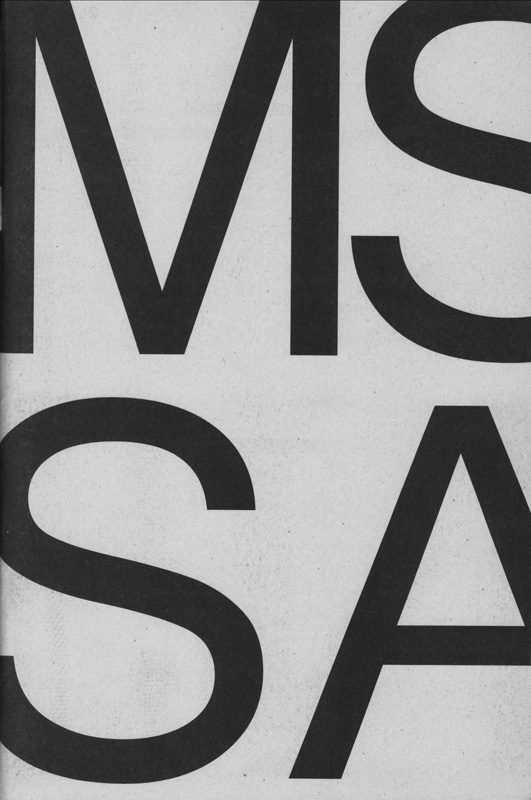
MacGregor Harp and Victor Hu, MS Sans
Softcover, 84 pp., offset 1/1, 6 x 8 inches
Edition of 500
Published by Cheap Art America
$5.00 ·
“Each glyph feels as if constructed from rigid individual bits expressing no empathy for the bows and straights of the other. Compare these letterforms to the negative spaces of its progenitor Helvetica; whence MS Sans borrowed its original file name, helv.tff. Inspect closely how the stems of the lowercase b, d, g, p, and q bend not to their respective bowls. O, daughters and sons of the New House what brother of Arial is this? What absent father’s nose is present in this numeral 1? And to whose crooked grandmother do we blame thine unspinely 8? Yet take no offense. Similar results manifest when a gaze is exercised on your humble narrator.”
— Stewart Smith