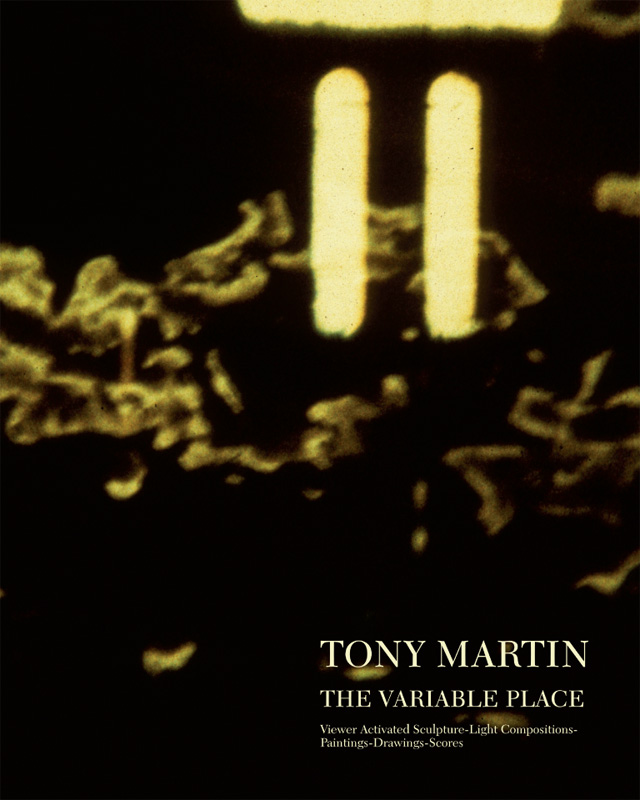
Tony Martin, The Variable Place
Edited by Camilla Padgitt-Coles and Nicky Mao
Softcover, 104 pp., offset 4/4, 8 x 10 inches
Edition of 350
Published by AB-SENS PRESS
$28.00 ·
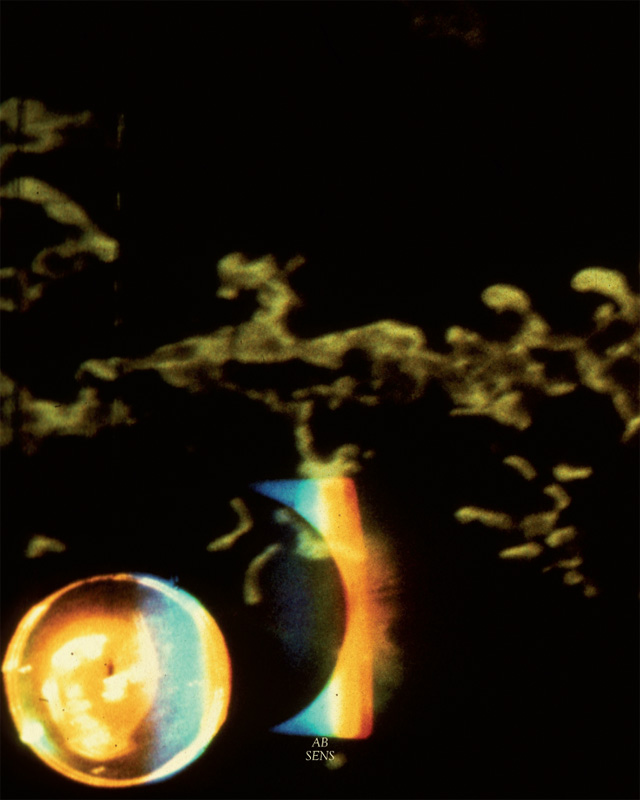
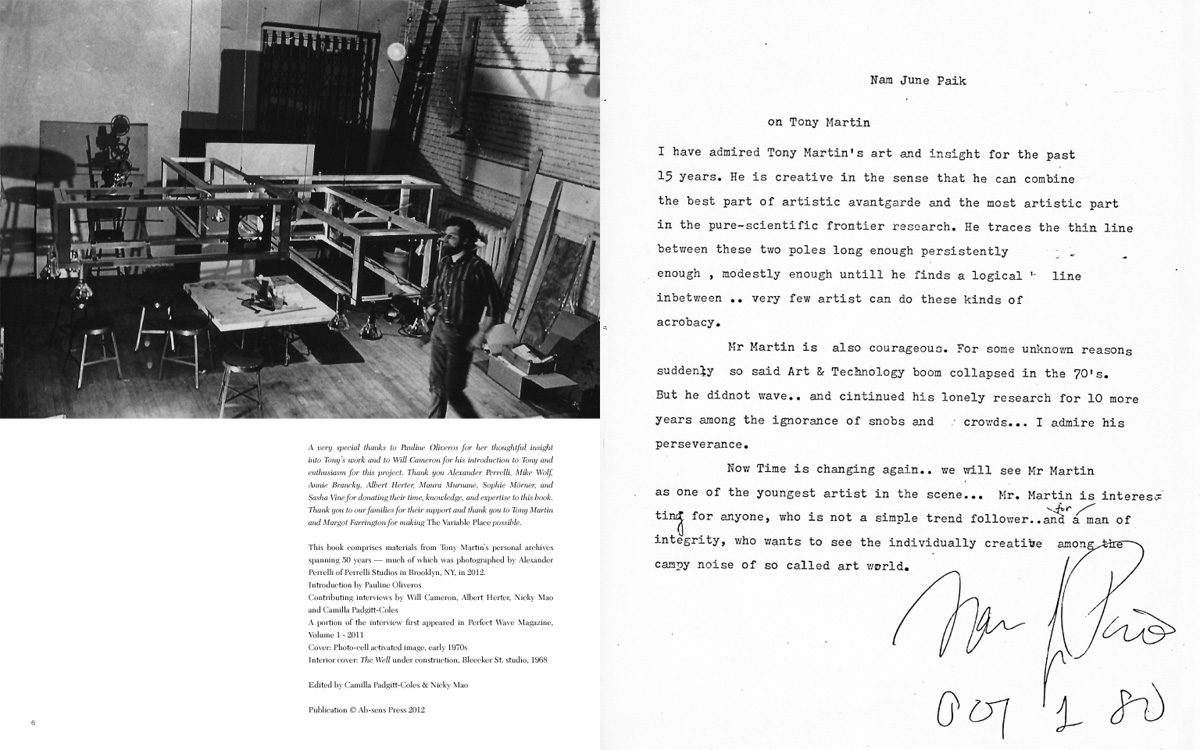
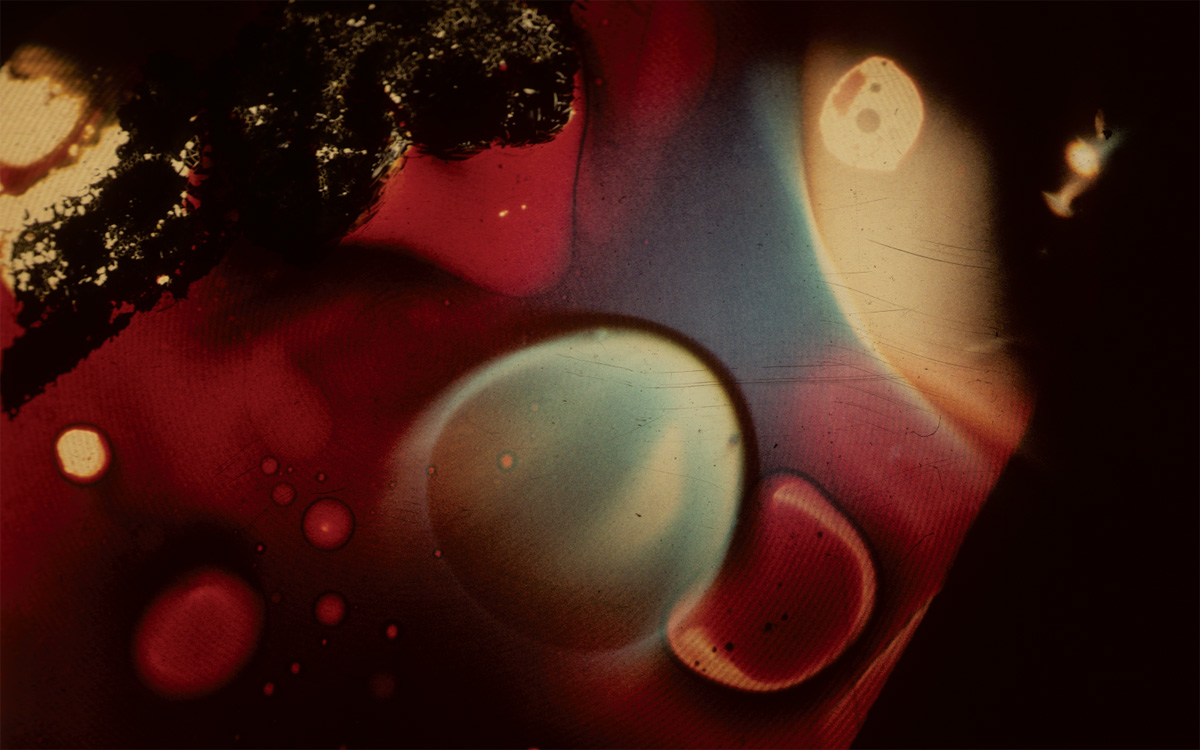
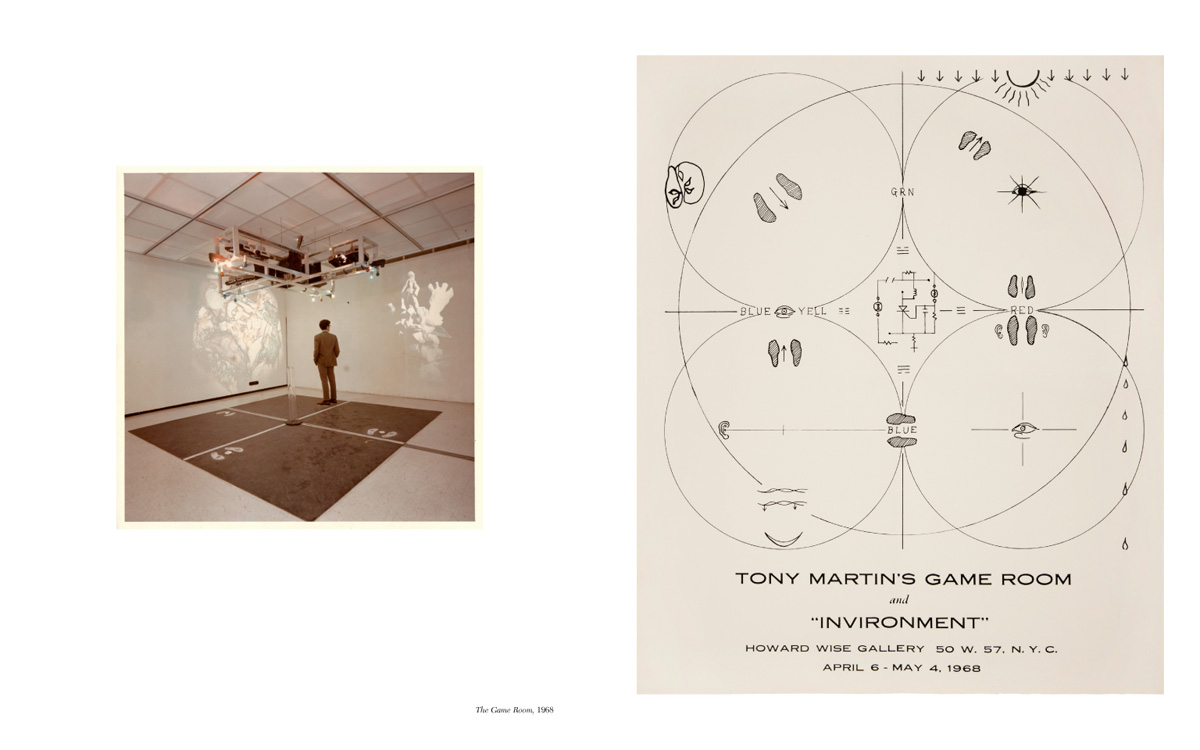
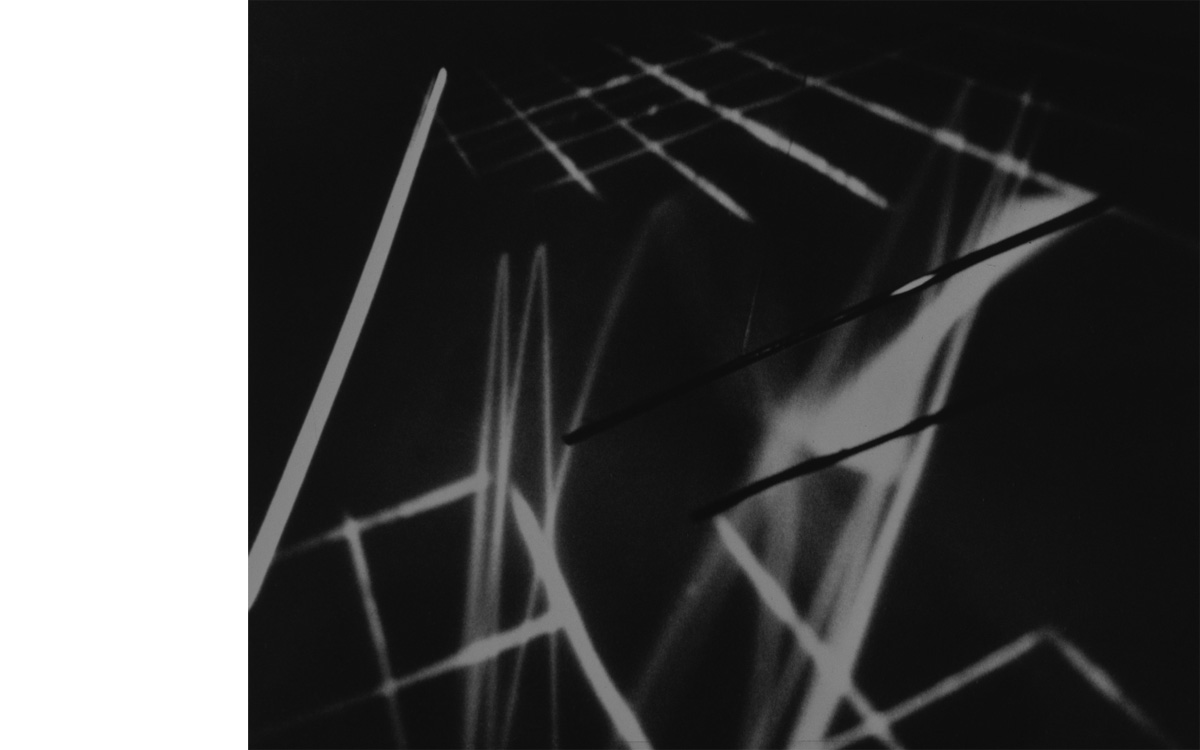
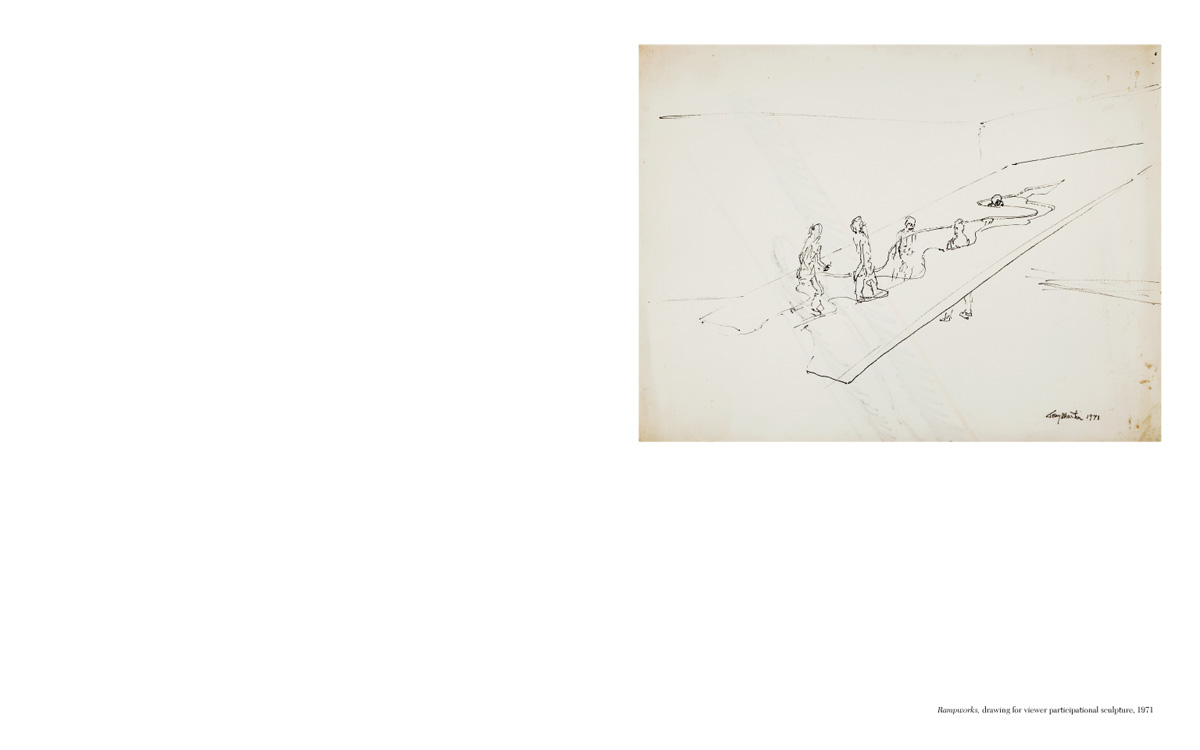
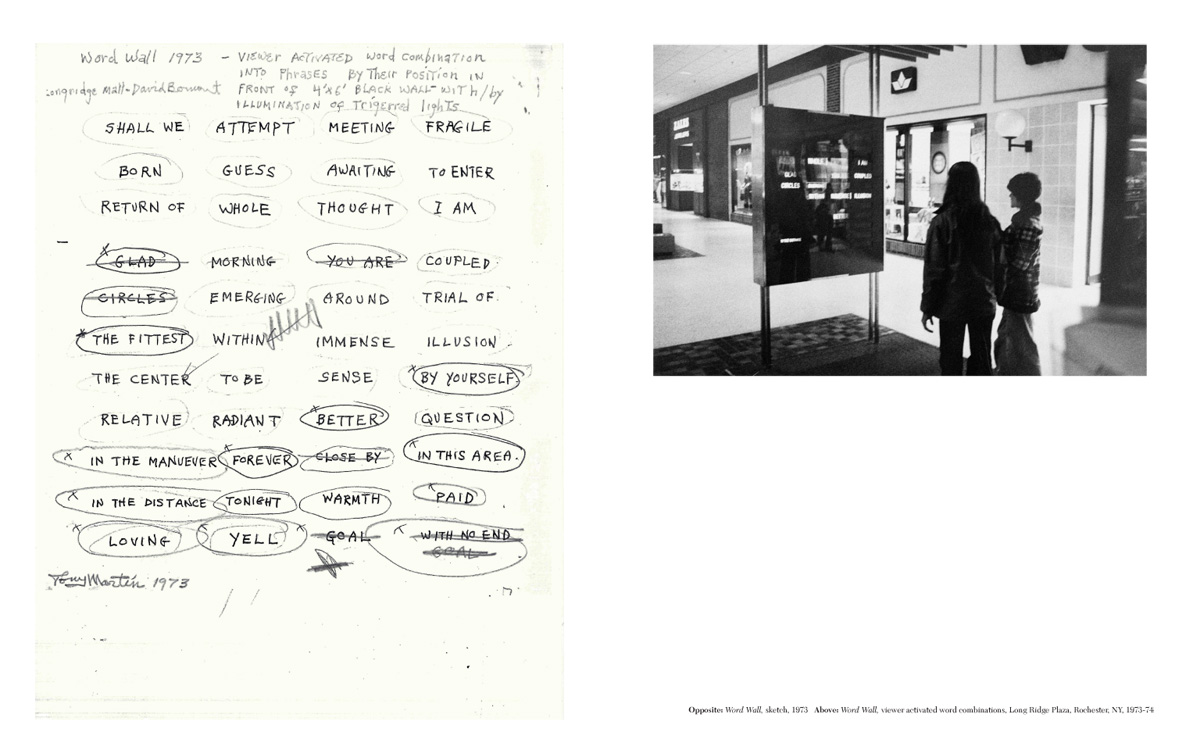
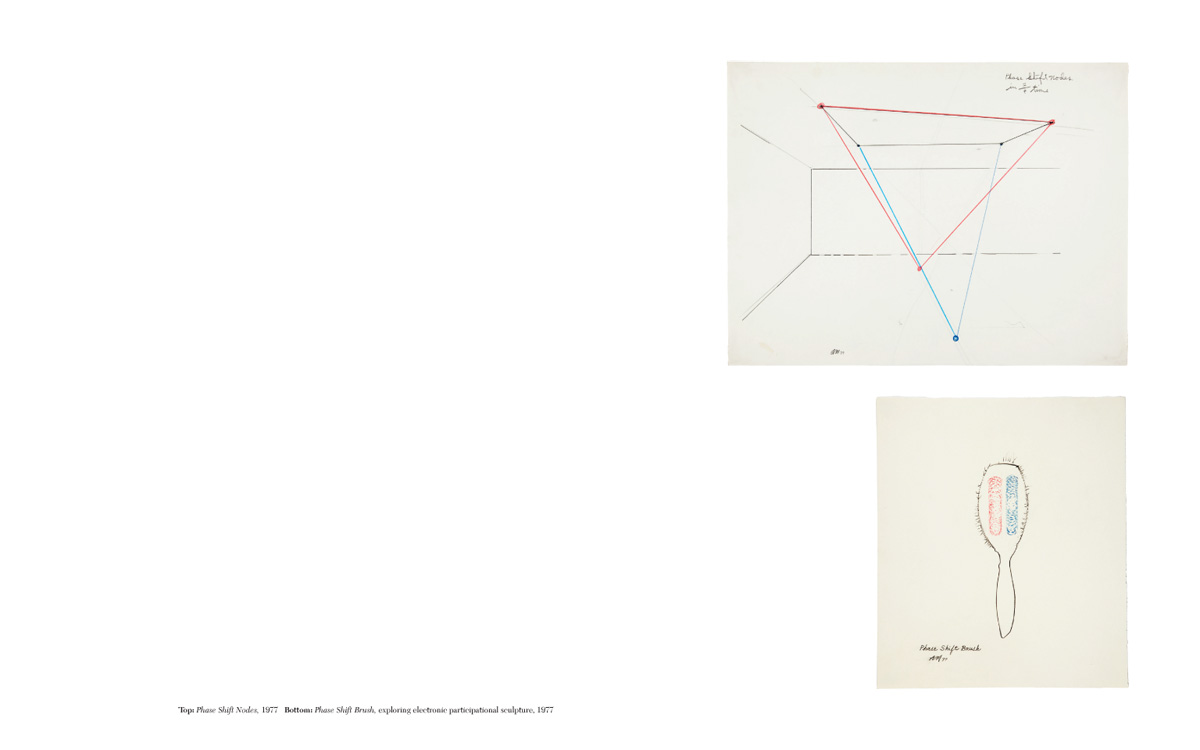
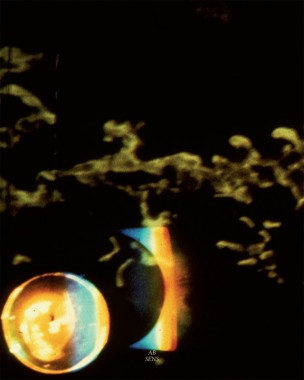
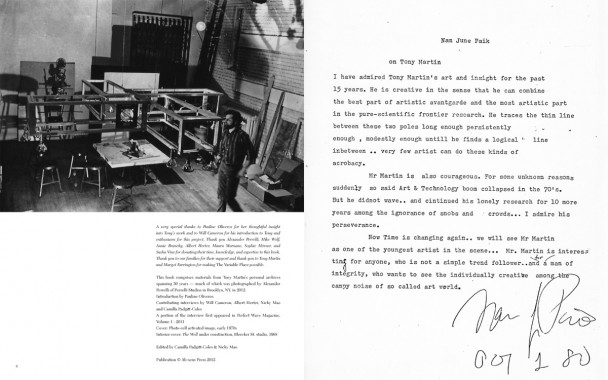
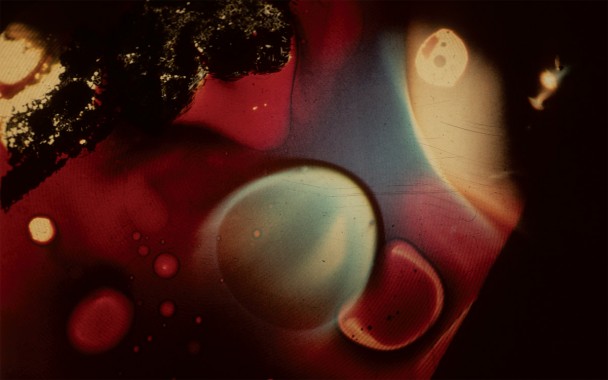
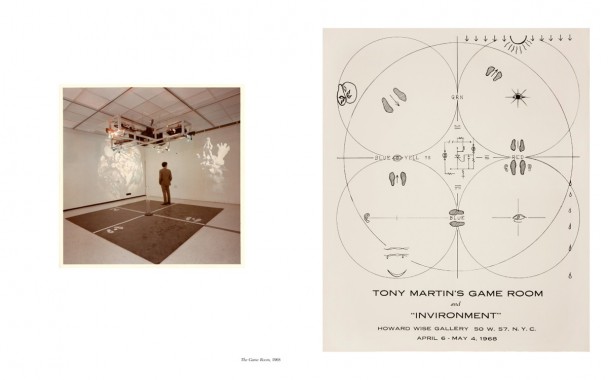
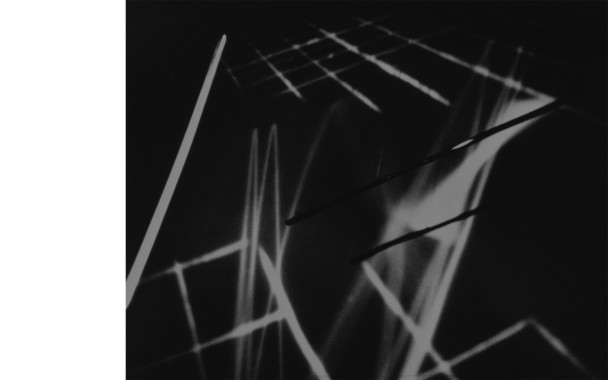
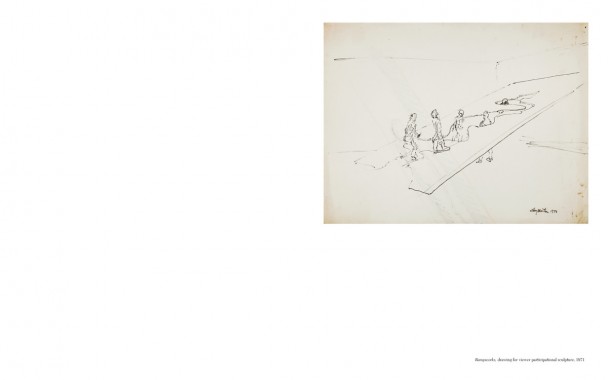
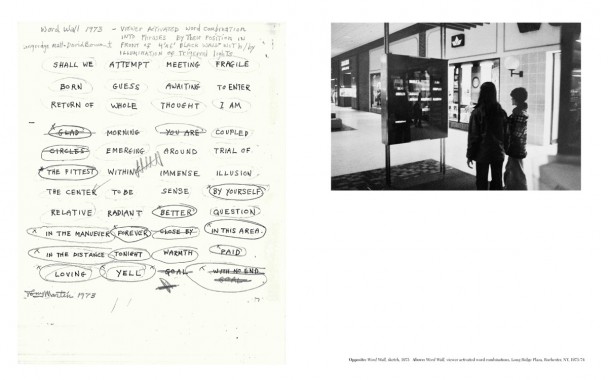
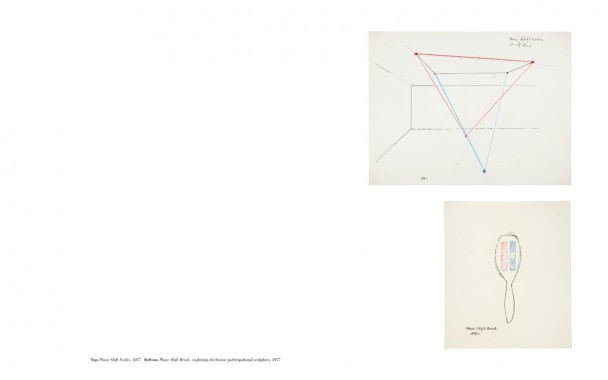
Tony Martin arrived to San Francisco in 1962, promptly forging creative alliances and lifetime friendships with “new music” people Morton Subotnick, Pauline Oliveros, and Ramon Sender. When the San Francisco Tape Music Center moved to its location at 321 Divisadero St., Martin was invited by co-directors Sender and Subotnick to become the Visual Director. With special attention paid to working in the tape music medium, as well as performing regularly, they joined with Mills Center for Contemporary Music in ‘67. During the SFTMC days Martin was responsible for numerous visual compositions, including Terry Riley’s In C performance, as well as Sender’s Desert Ambulance. Martin was deeply engaged in experimenting with light via overhead and slide projectors, mixing paint, oil, water, and objects to build his light compositions. His following grew as a culture of psychedelia pervaded the 1960s and his light shows became popular amongst bands such as Jefferson Airplane and Grateful Dead. During this time he began to build “interactions” by engineering entire environments using sensors and mirrors. By the late ’60s he returned to New York City where he continued his focus for these types of installations; time and time again synthesizing his technological skills with painting as a moving image. A painter at heart, he continued with consideration of his experience working with his viewer-activated sculptures, as well as his devotion to the medium of light — maintaining a thread that binds all aspects of his work. His latest piece entitled Proximity Switched Installation (2012) is a clear culmination of a lifetime of experimentation/production. A video demonstration of this installation is available to view online and includes musical accompaniment by Compound Eye (Spring Press).
The Variable Place is the first book of its kind to tie together over 50 years of Tony Martin’s work. It includes an in-depth interview with Martin by Will Cameron, Albert Herter and the editors. As well as a special introduction by long-time friend/collaborator Pauline Oliveros.
AB-SENS PRESS, Albert Herter, Art, Camilla Padgitt-Coles, Compound Eye, Culture, Design, Distribution, Morton Subotnick, Music, Nicky Mao, Pauline Oliveros, Performance, Photography, Ramon Sender, San Francisco, Terry Riley, Tony Martin, Will Cameron
Sam Dillemans, Authors
Hardcover, 222 pp., offset 4/4, 250 x 325 mm
English and Dutch
Edition of 2000
ISBN 978-94-9069-399-2
Published by MER. Paper Kunsthalle
$52.00 ·
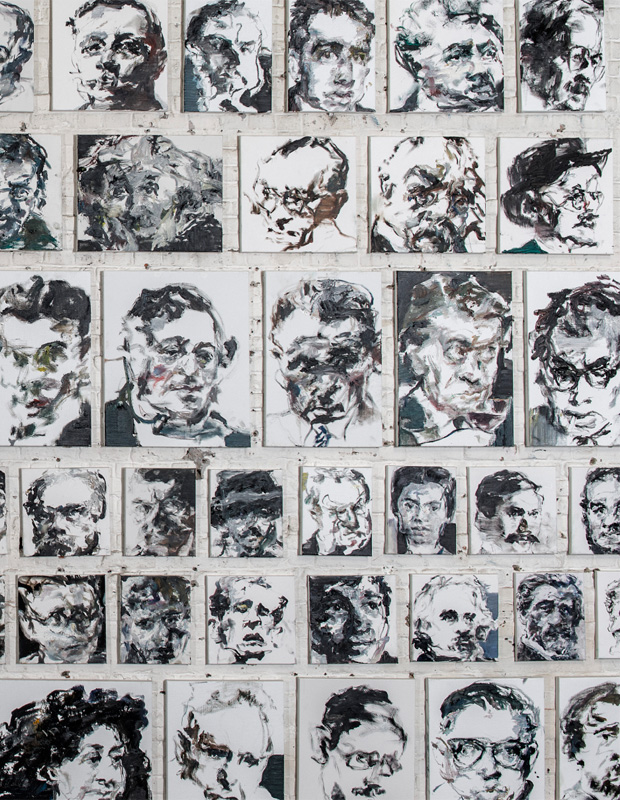
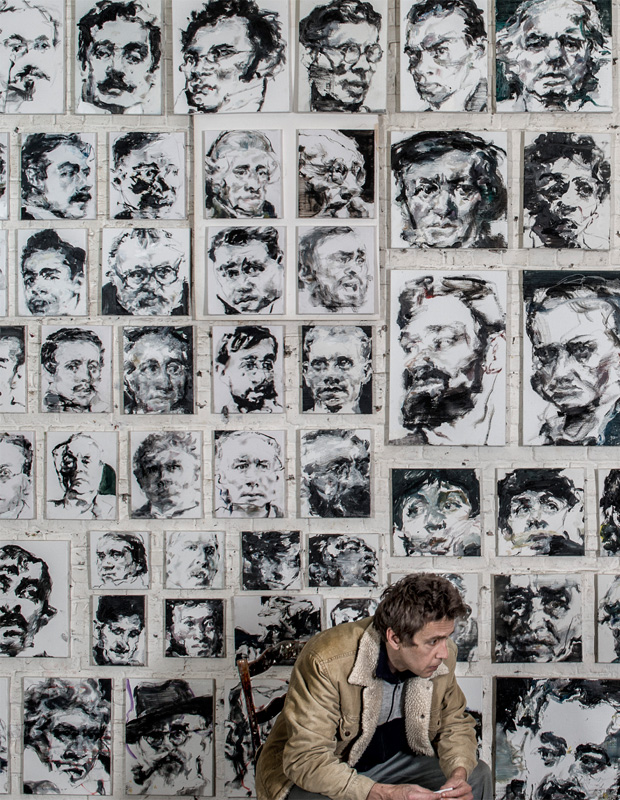
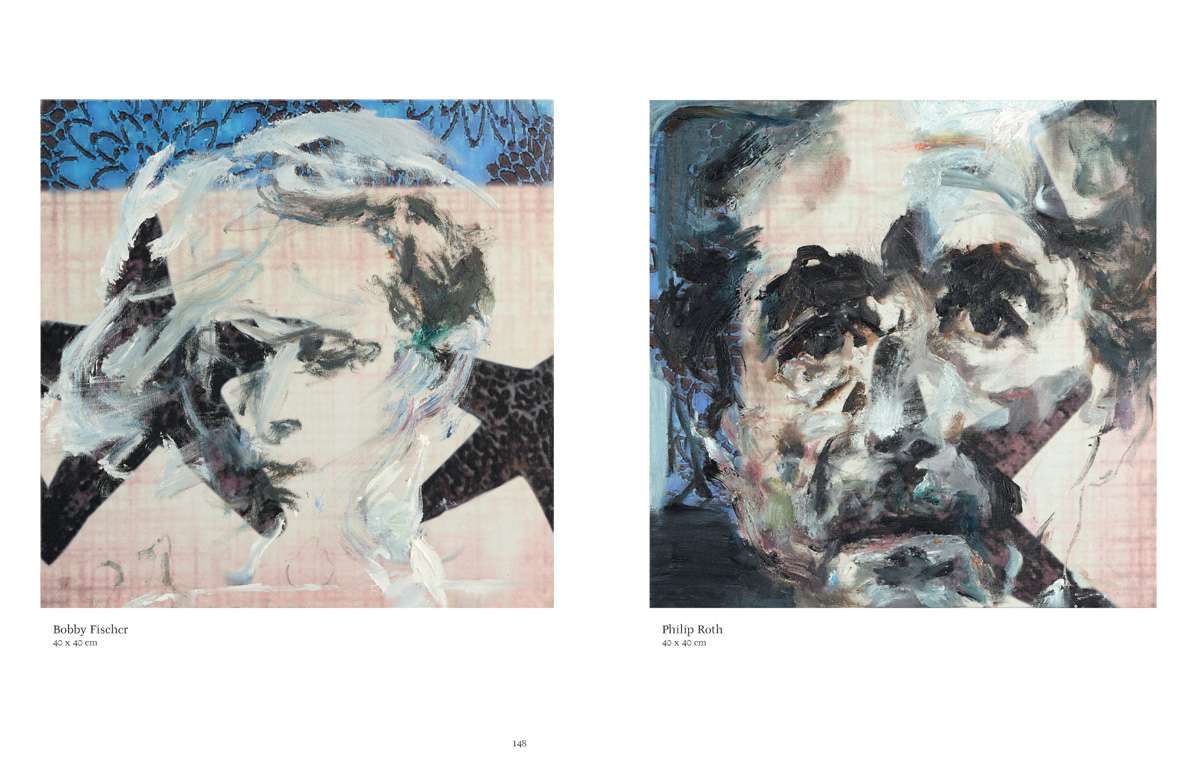
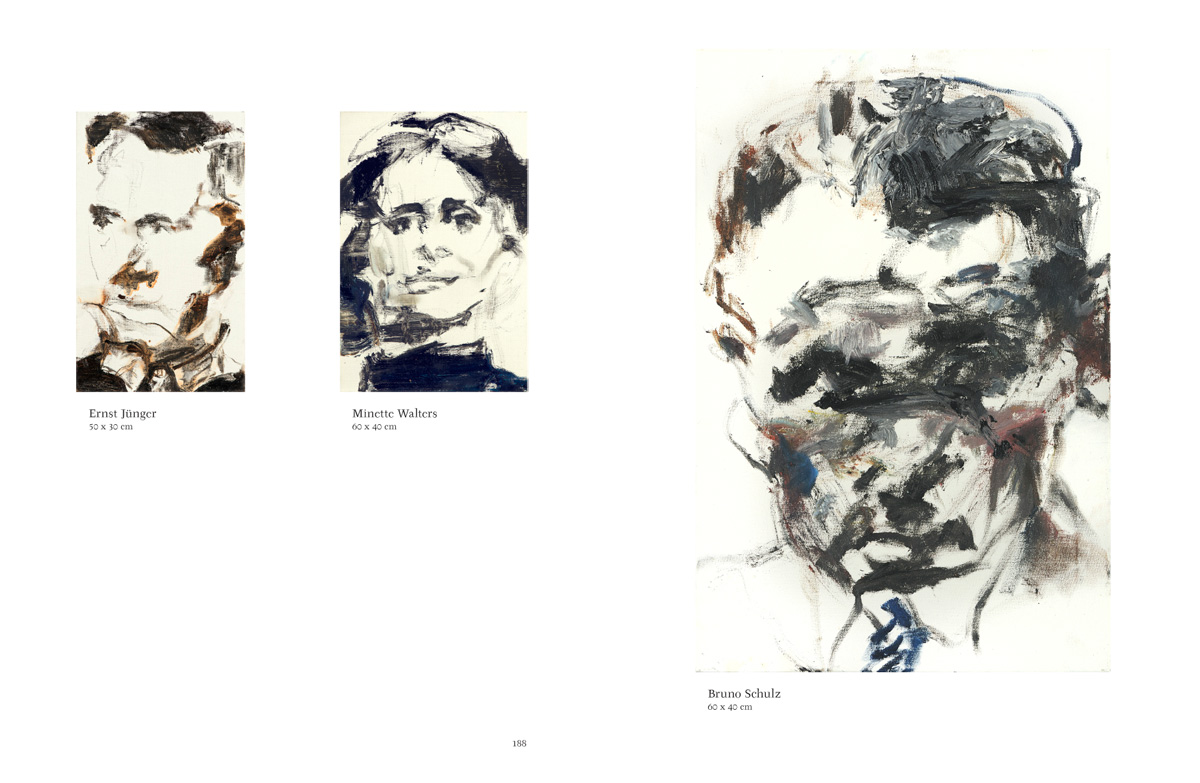
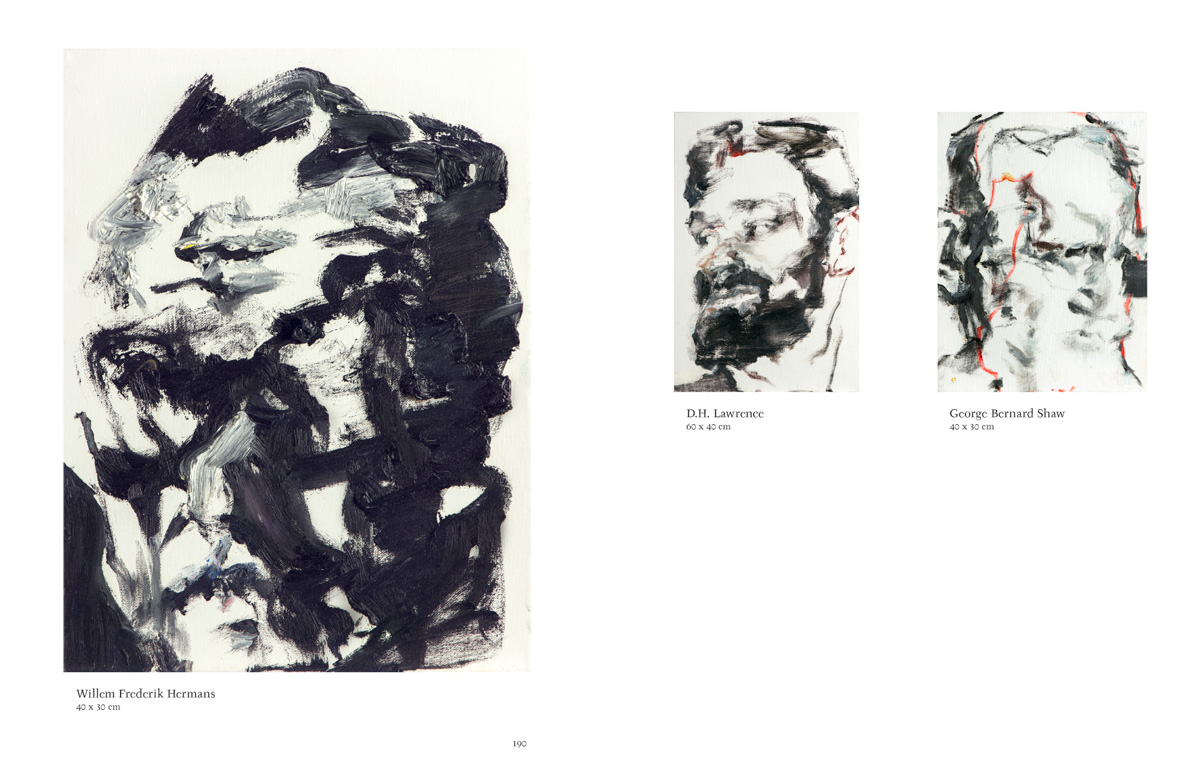
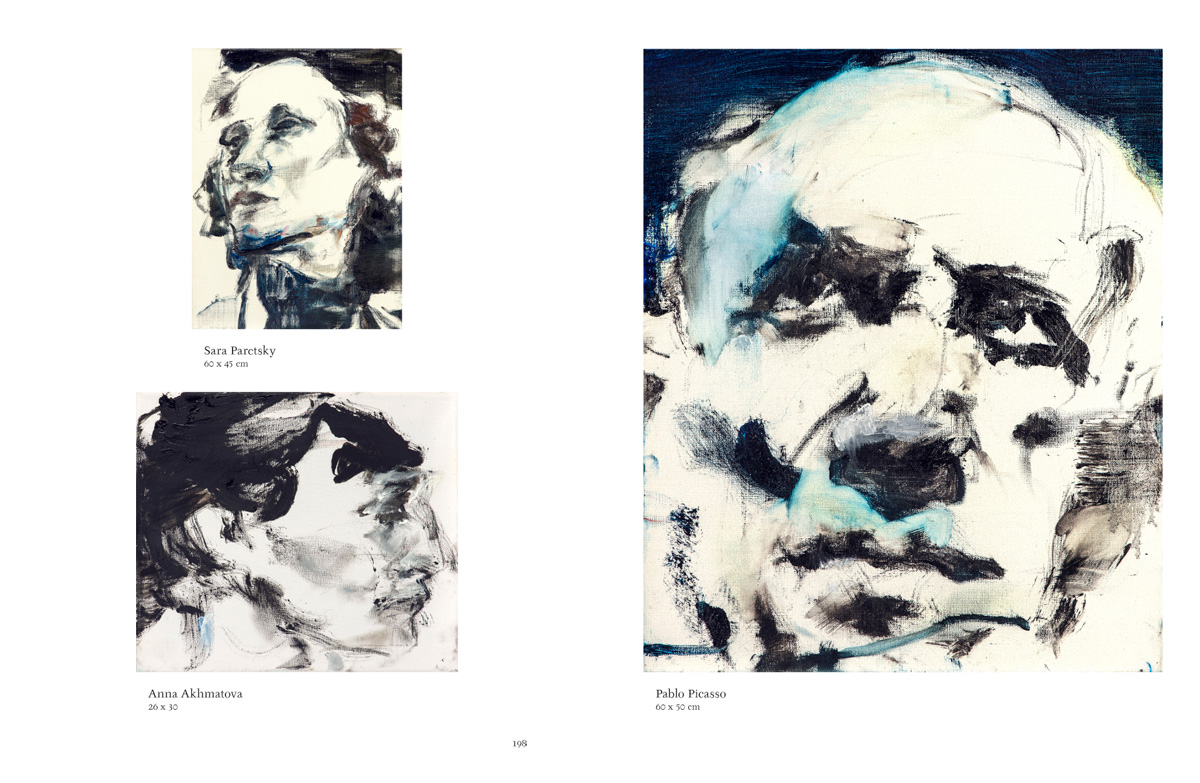
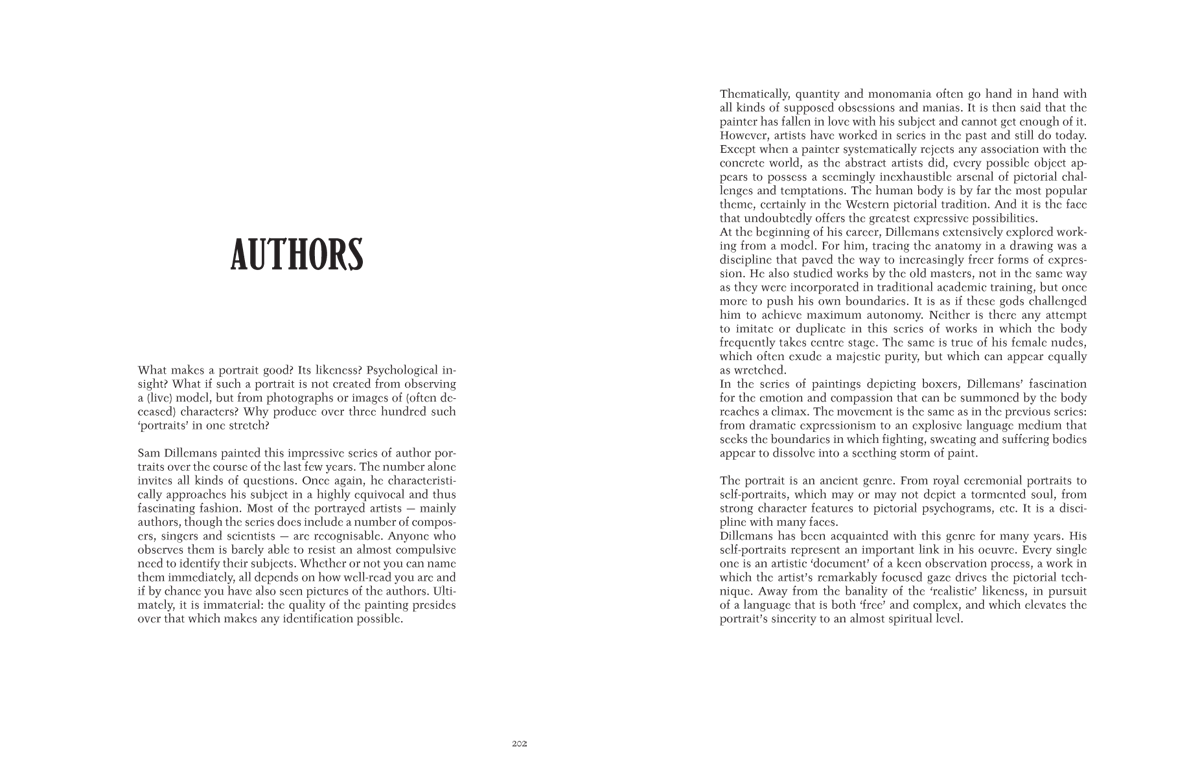
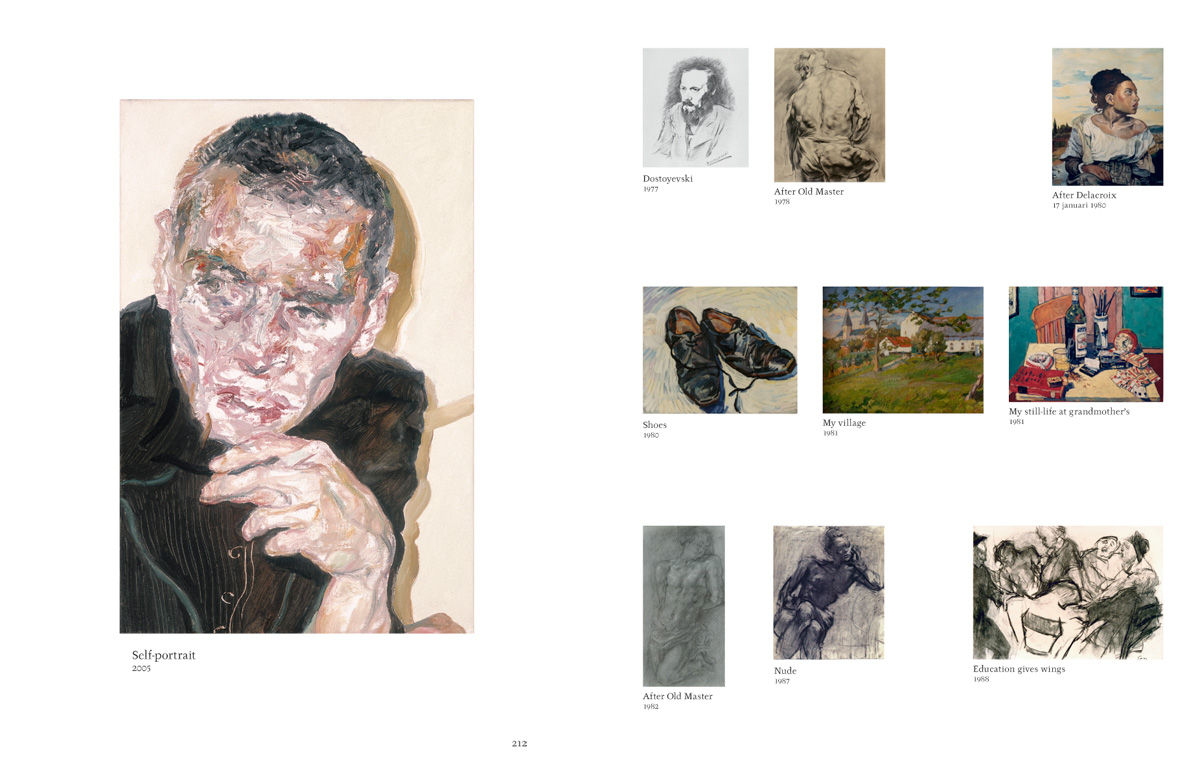
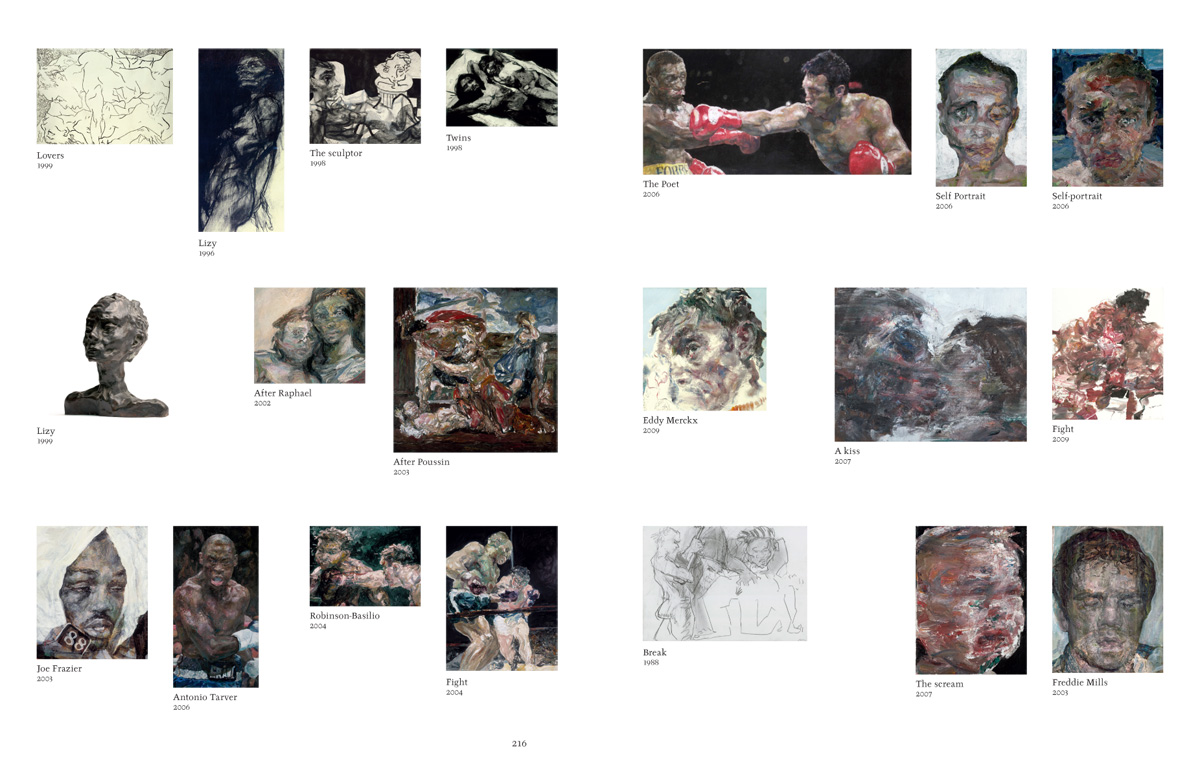
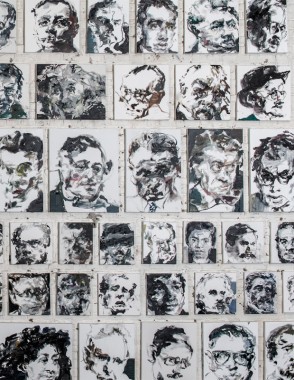
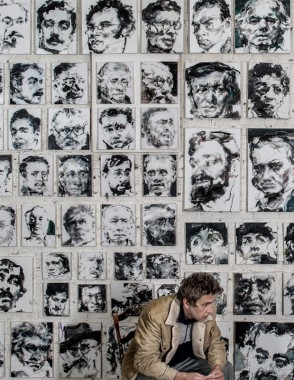
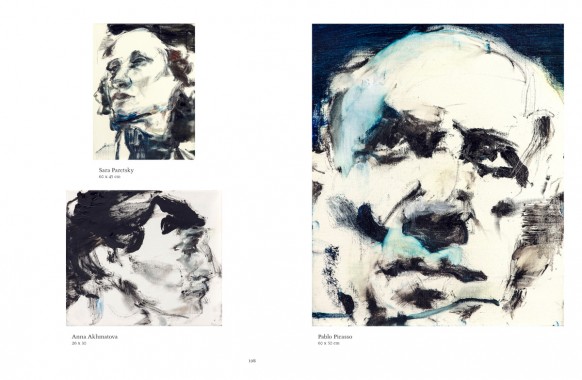
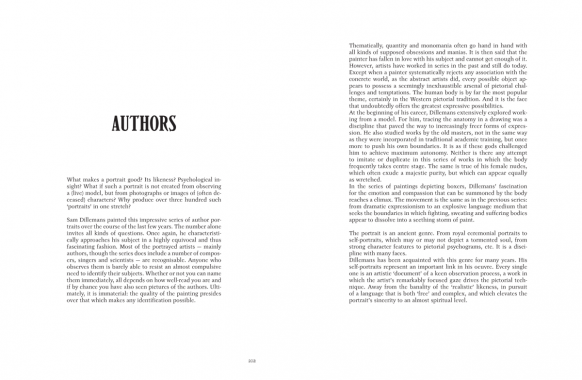
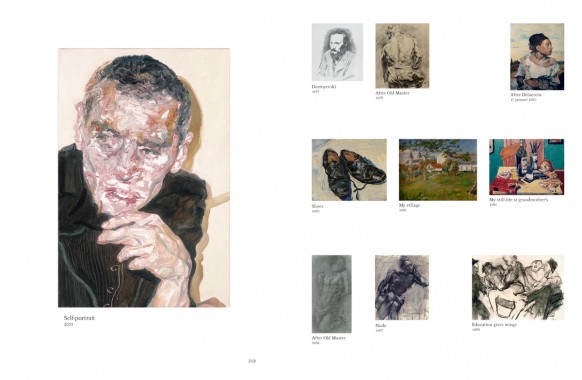
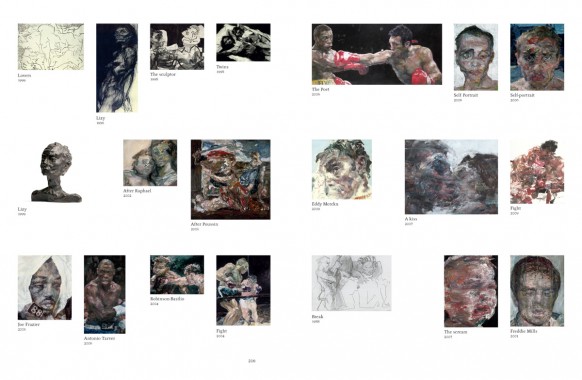
In the past years Sam Dillemans has painted some 300 portraits, mostly of influential writers, but also of scientists, composers and singers. In his typical dynamic and fluent style Dillemans completed the 300 portraits almost in one go. Most of the portraits are painted in black and white with smooth, volatile lines; others are touched up with some rare subtle brushstrokes in colour. Whether the subject is recognizable or not depends on the viewer and on how much the artists is prepared to divulge in his impressive paintings. On the occasion of the exhibition that opened on April 19th in the Castle of Gaasbeek, the paintings of the series Authors have been collected in the eponym book, which was published on the opening day of the exhibition by MER. Paper Kunsthalle.
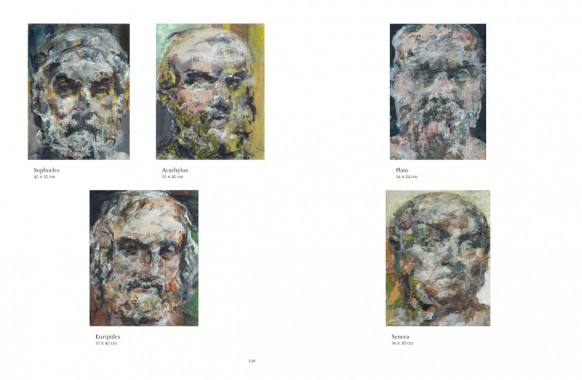
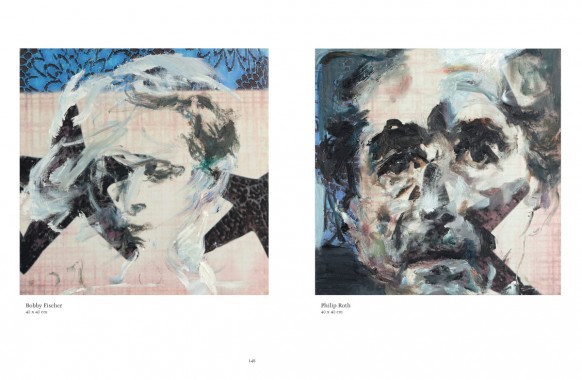
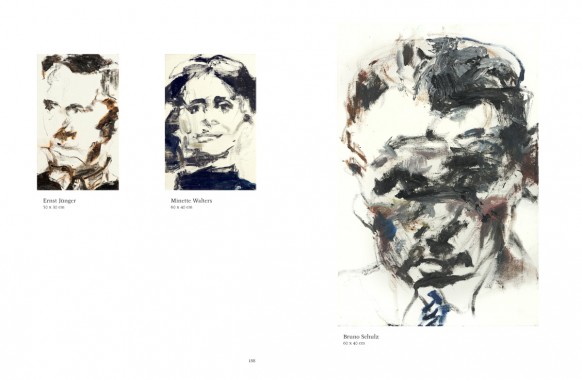
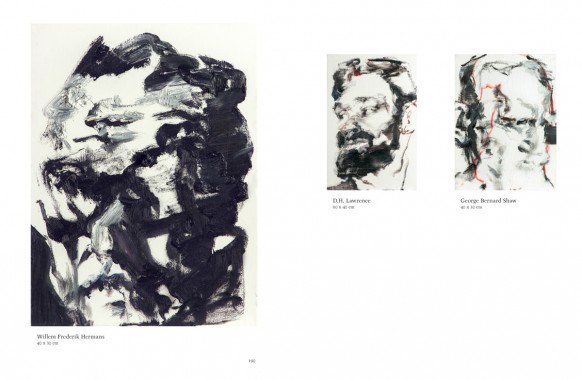
Art, Culture, Distribution, Duncan Brown, Luc Derycke, Luc Vanackere, MER. Paper Kunsthalle, Painting, Sam Dillemans, Wim van Eesbeek
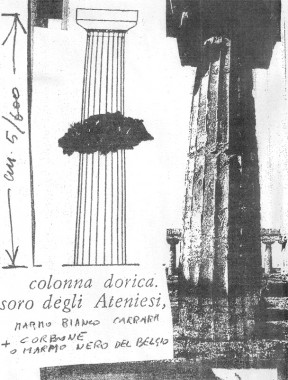
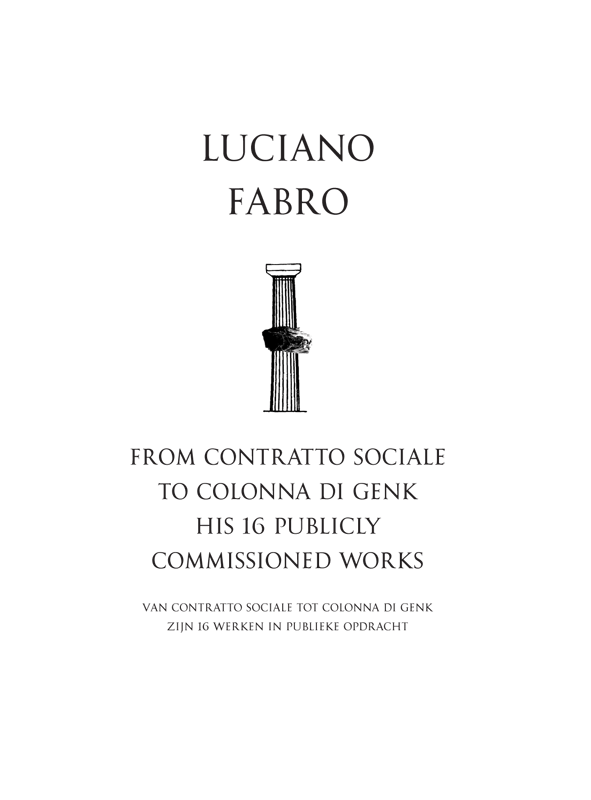
Luciano Fabro, From Contratto Sociale to Colonna di Genk
Hardcover, 56 pp. + DVD, offset 4/4, 170 x 220 mm
Edition of 800
ISBN 978-94-9069-362-6
Published by MER. Paper Kunsthalle
$32.00 ·
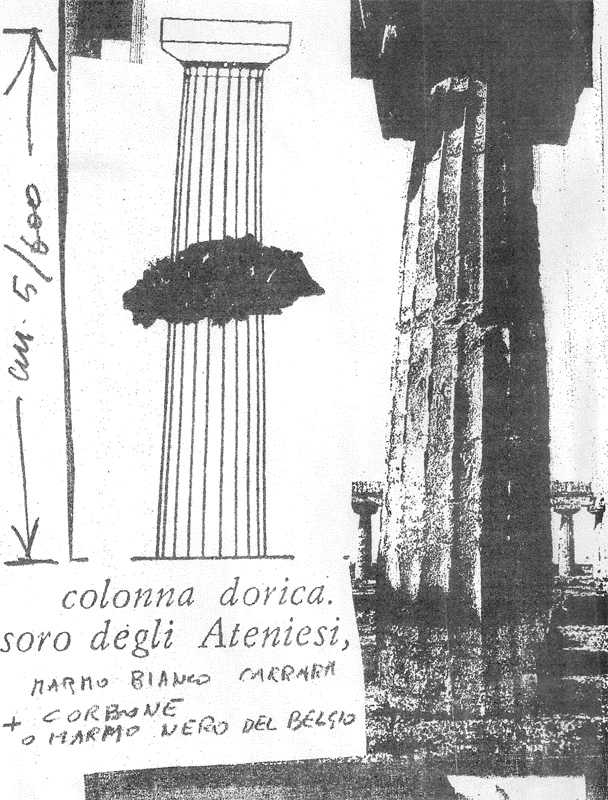
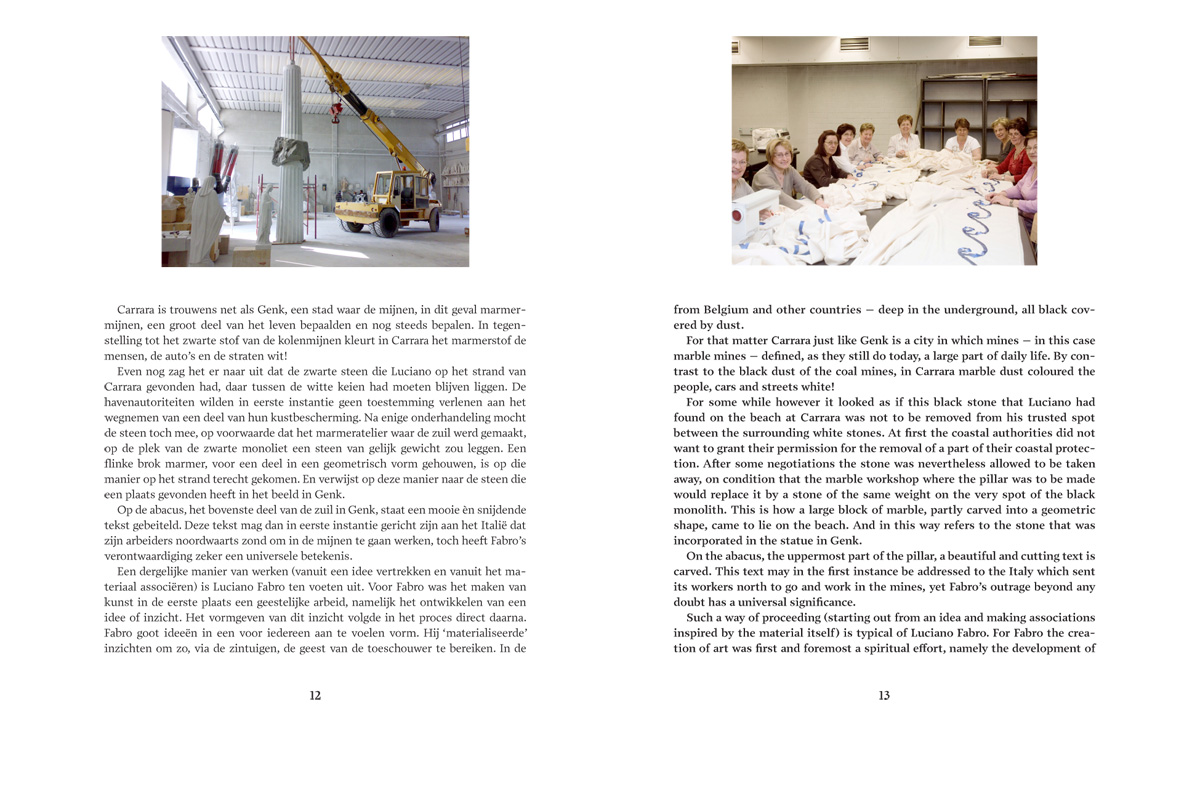
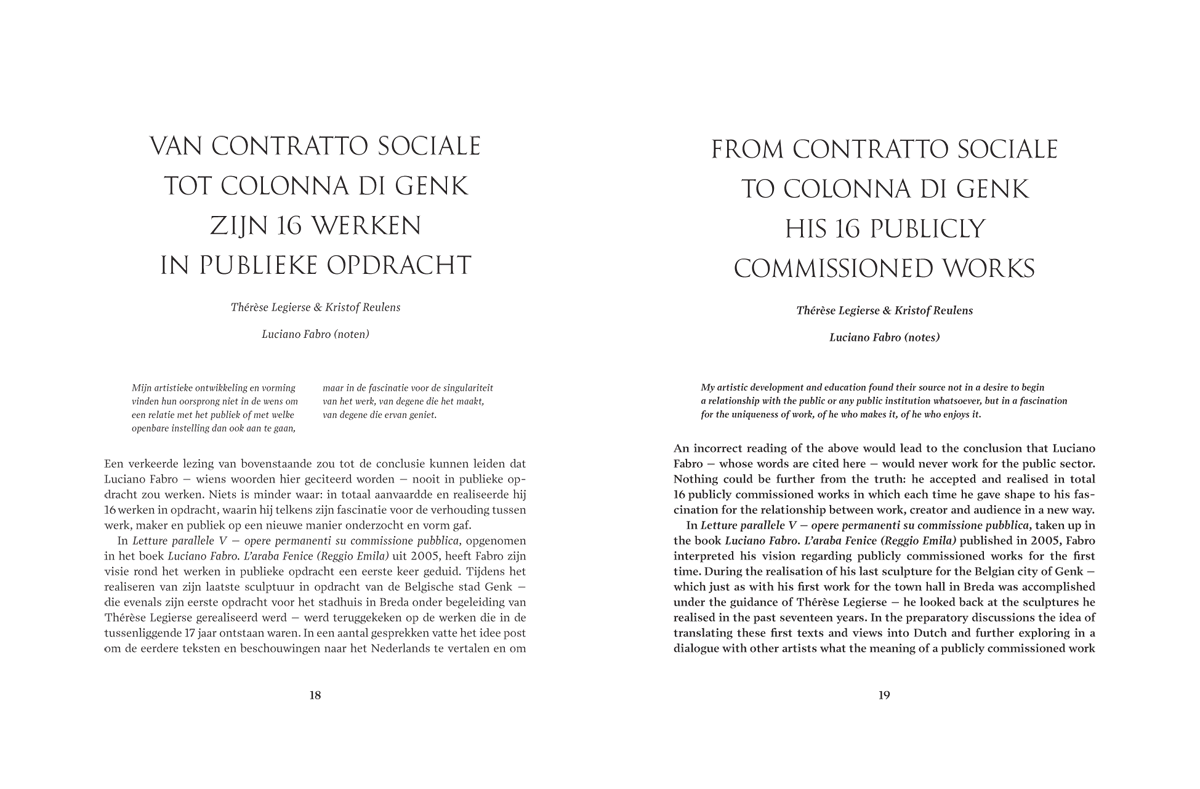
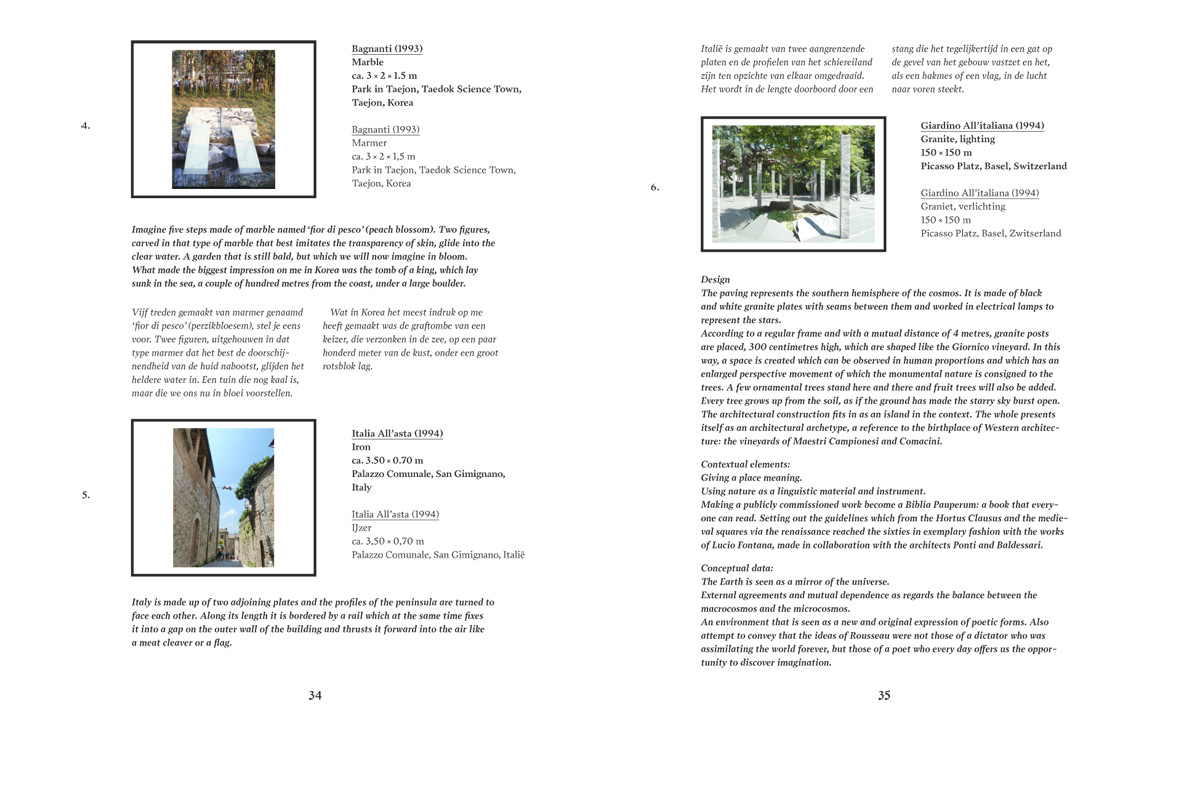
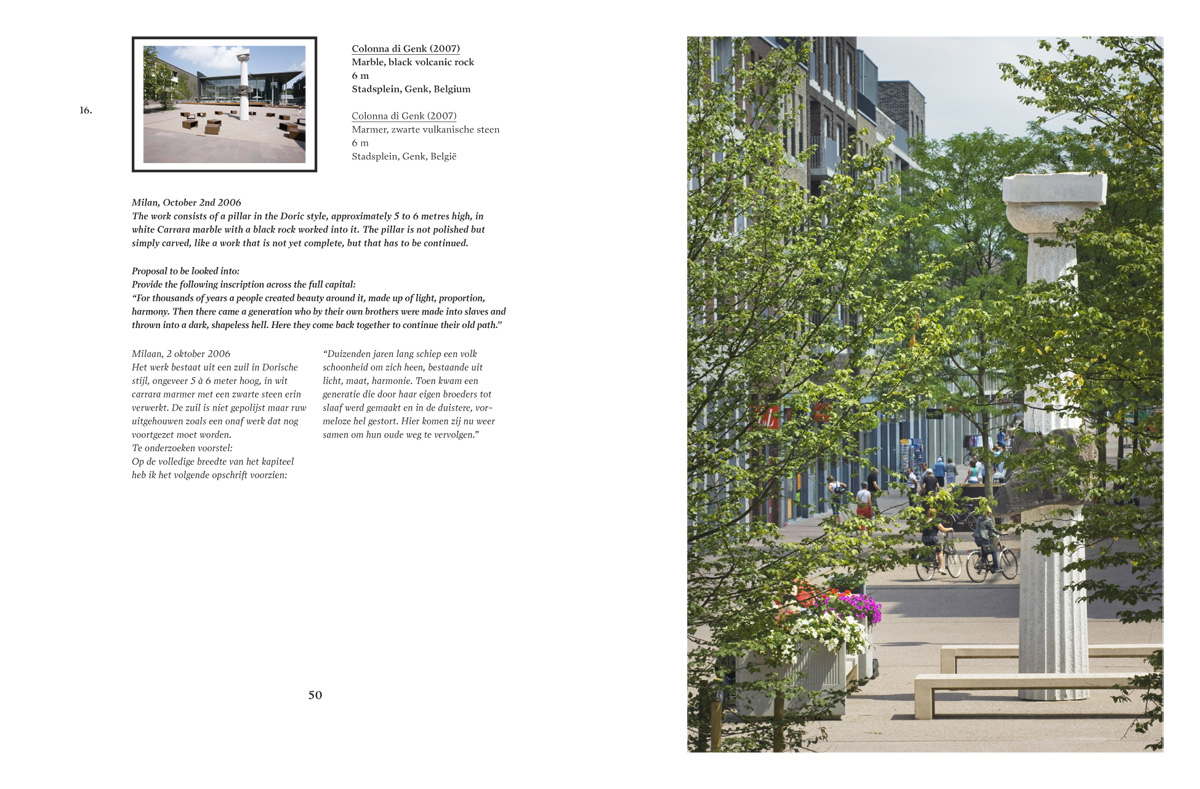
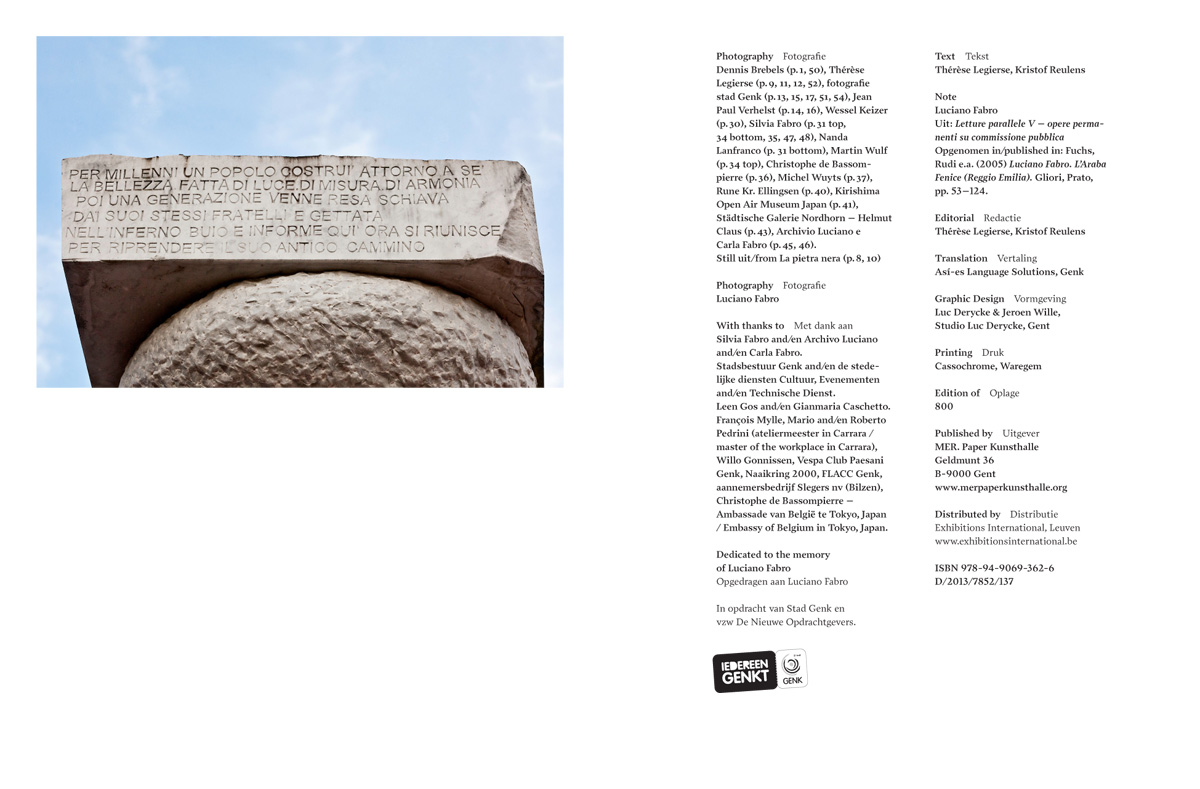
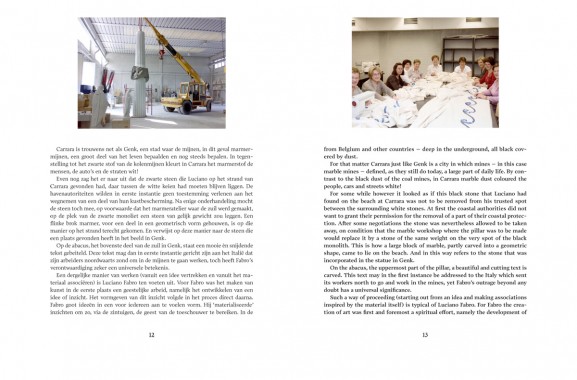
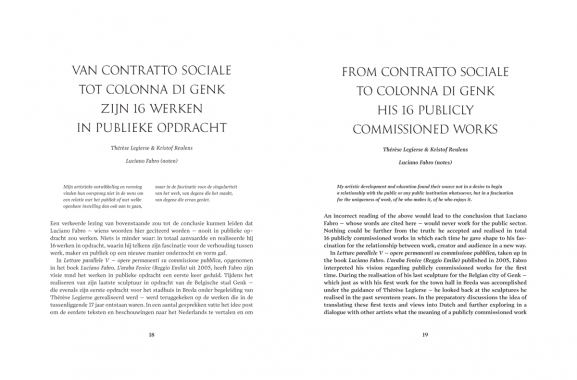
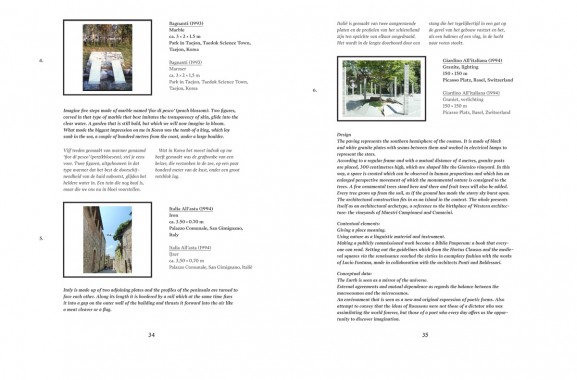
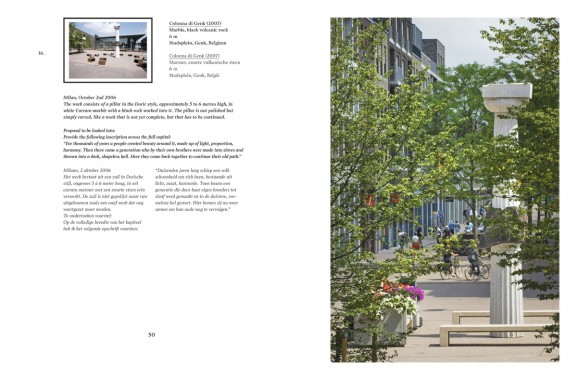
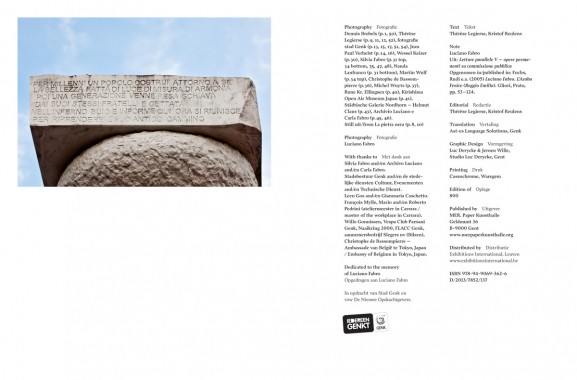
Between 1990 and 2007, Italian artist Luciano Fabro (1936-2007) created sixteen publicly commissioned works. This book, along with an accompanying dvd, focuses on the life and works of this extraordinary artist, and brings homage to Fabro’s latest realization La Colonna di Genk. This intriguing work commissioned by the city of Genk (B) visibly illustrates Fabro’s way of thinking and creation process. The accompanying dvd reveals biographical elements as well as the making of and the festive inauguration of La Colonna during Labour Day on May the 1st 2008. The inauguration took place on the renewed Genk Stadsplein (B), just ten months prior to Fabro’s death.
Architecture, Art, Distribution, Kristof Reulens, Luc Derycke, Luciano Fabro, MER. Paper Kunsthalle, Sculpture, Thérèse Legierse

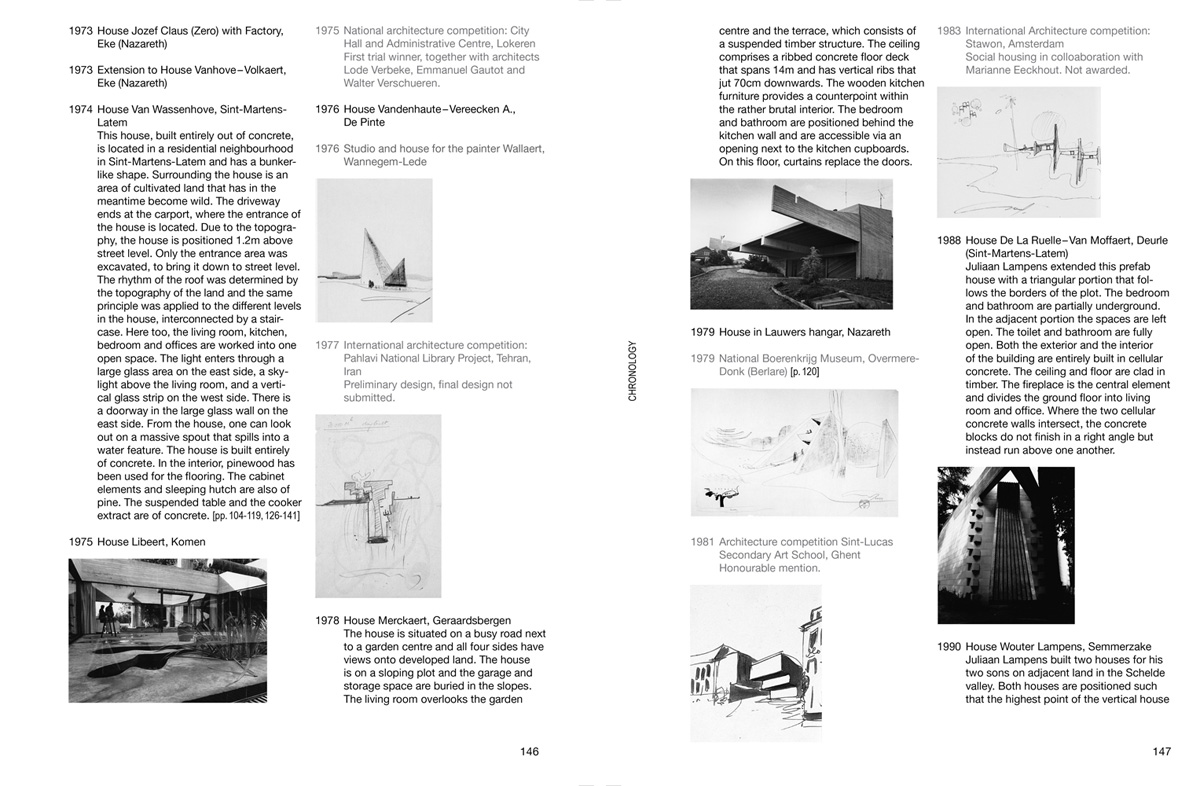
Juliaan Lampens
Softcover, 152 pp., offset 4/1, 210 x 275 mm
Edition of 2000
ISBN 978-94-6117-005-7
Published by ASA Publishers
$40.00 · out of stock
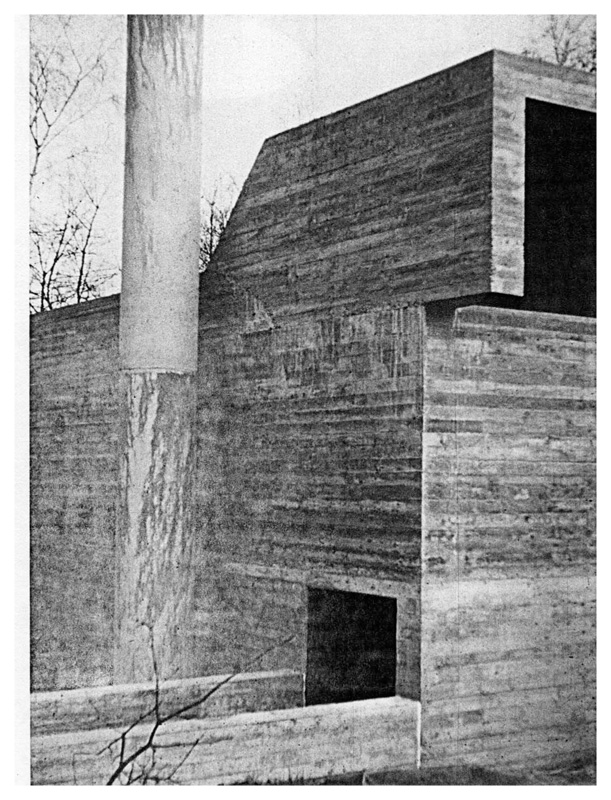
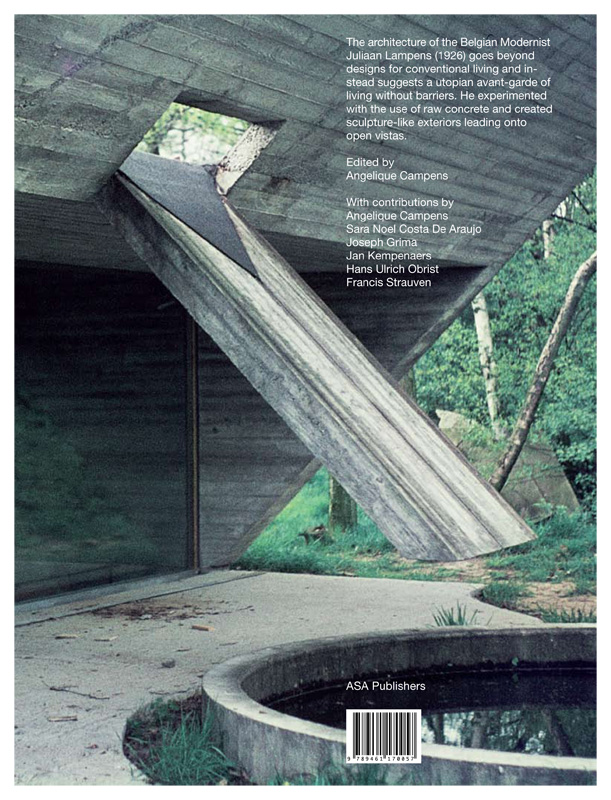
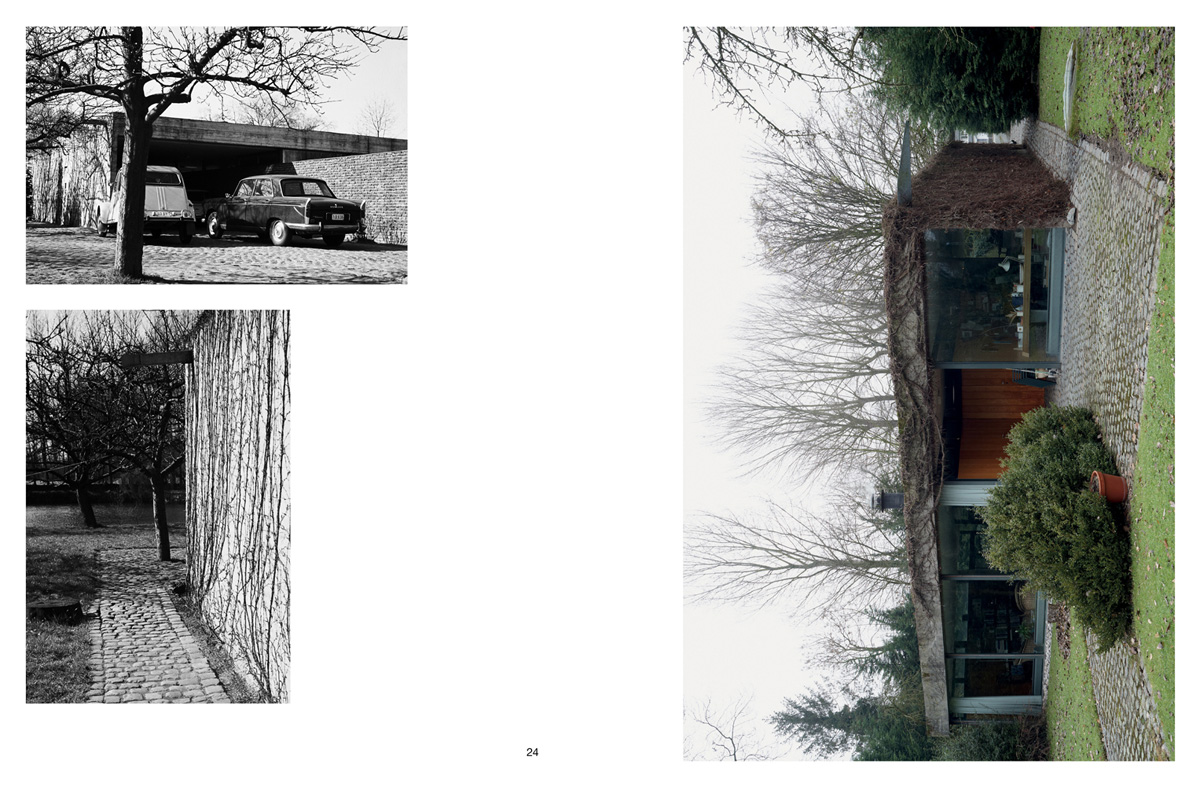
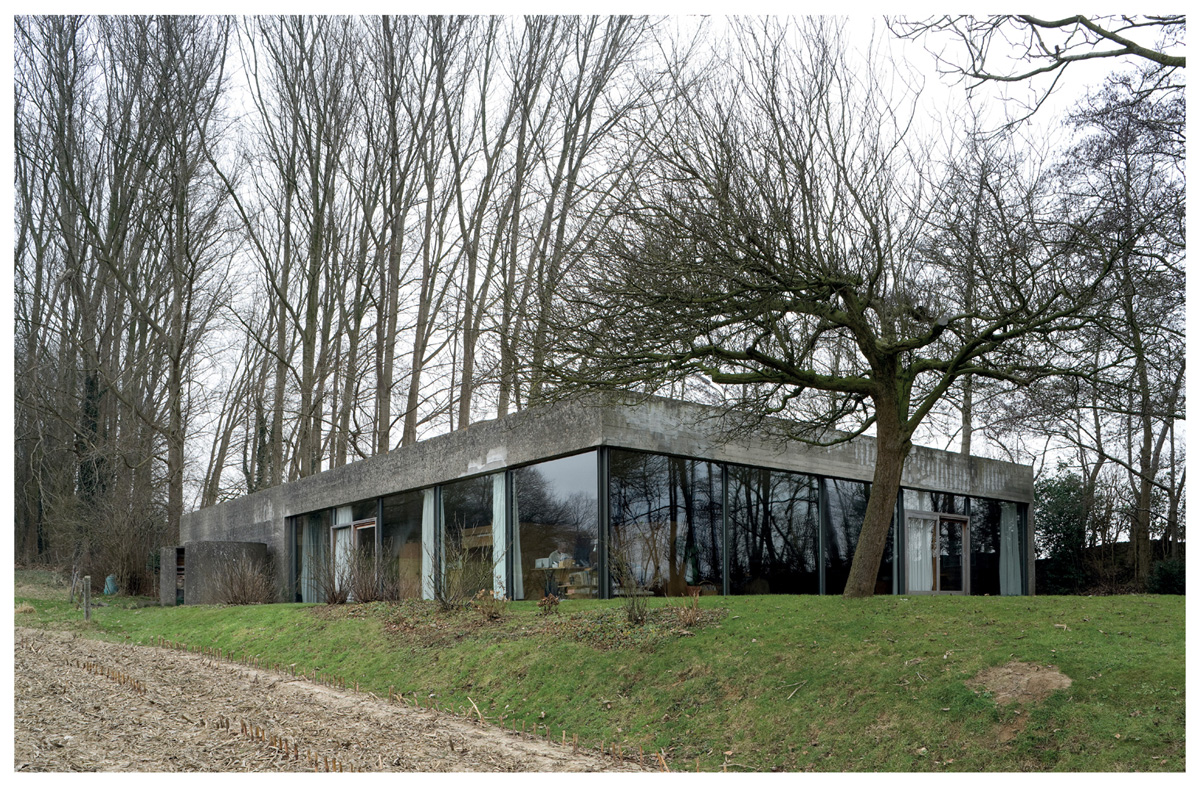
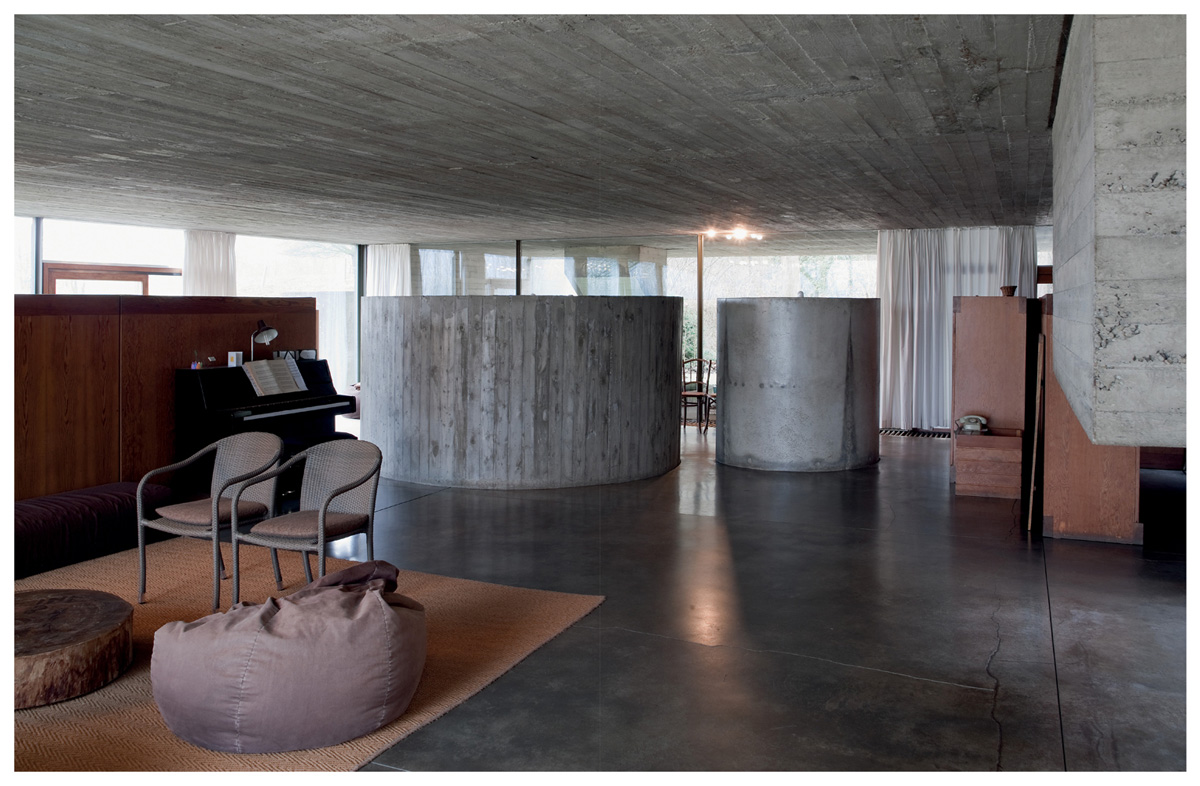
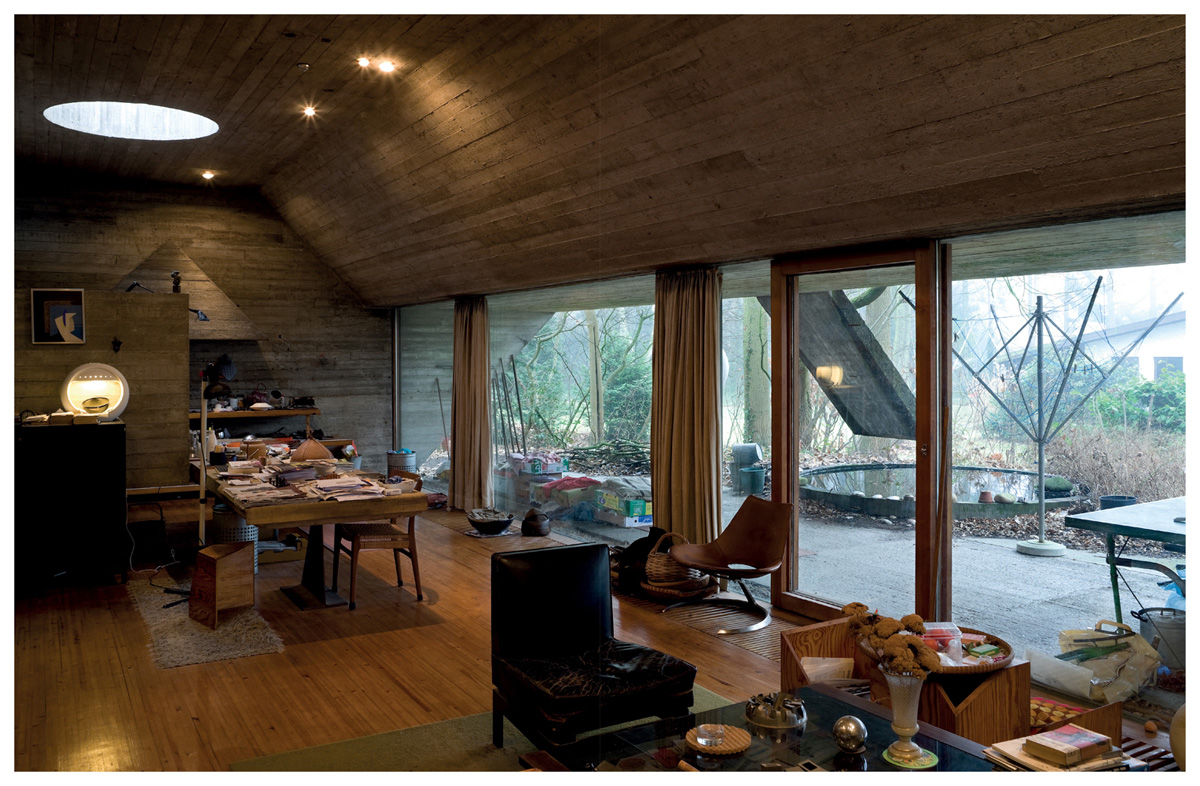
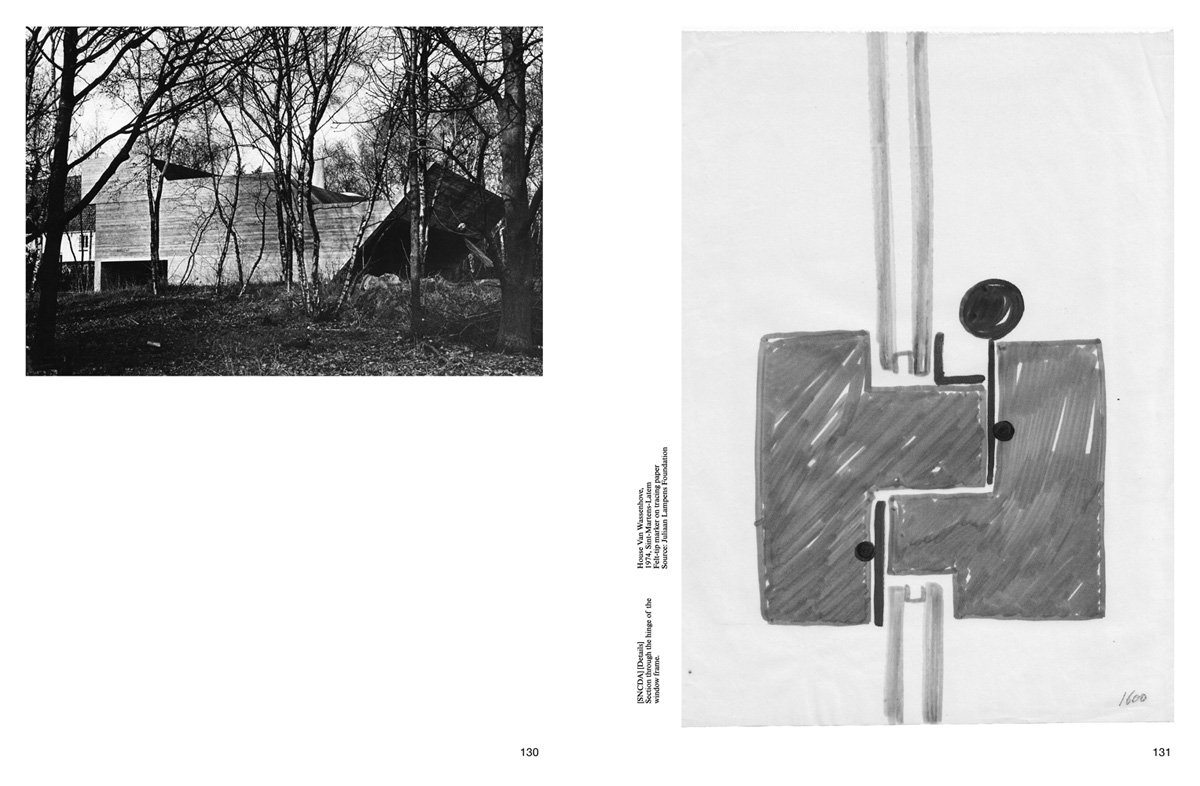
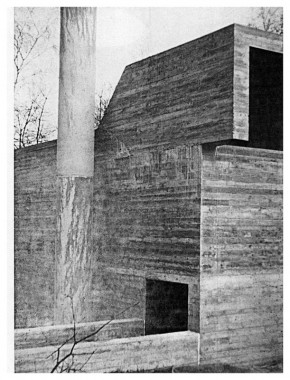
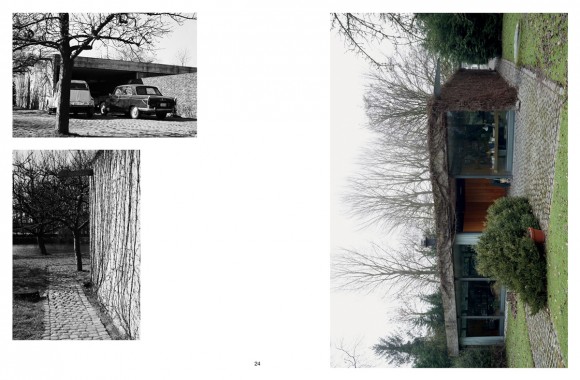
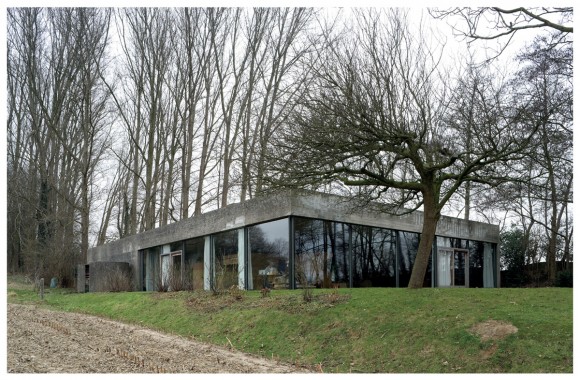
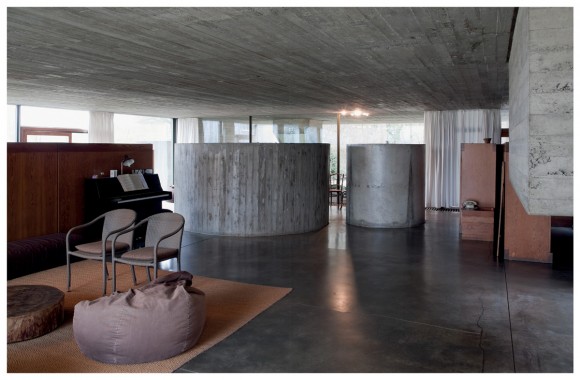
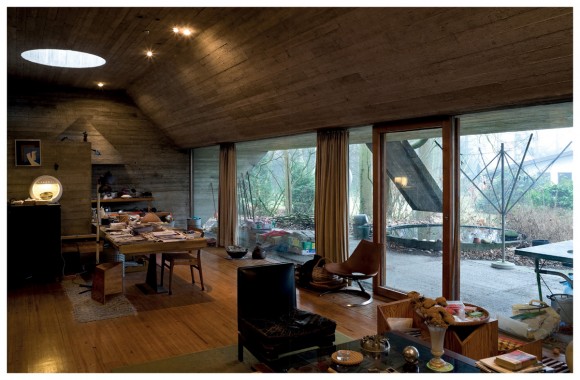
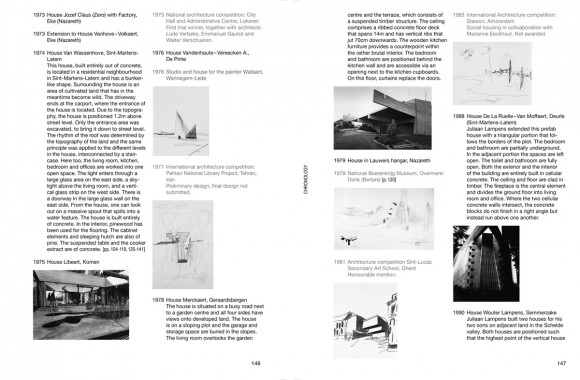
The architecture of the Belgian Modernist Juliaan Lampens (b. 1926) goes beyond designs for conventional living and instead suggests a utopian avant-garde of living without barriers. He experimented with the use of raw concrete and created sculpture-like exteriors leading onto open vistas. Edited by Angelique Campens. With contributions by Angelique Campens, Sara Noel Costa De Araujo, Joseph Grima, Jan Kempenaers, Hans Ulrich Obrist and Francis Strauven.

Angelique Campens, Architecture, ASA Publishers, Culture, Distribution, Francis Strauven, Hans Ulrich Obrist, Jan Kempenaars, Joseph Grima, Juliaan Lampens, MER. Paper Kunsthalle, Thomas Desmet


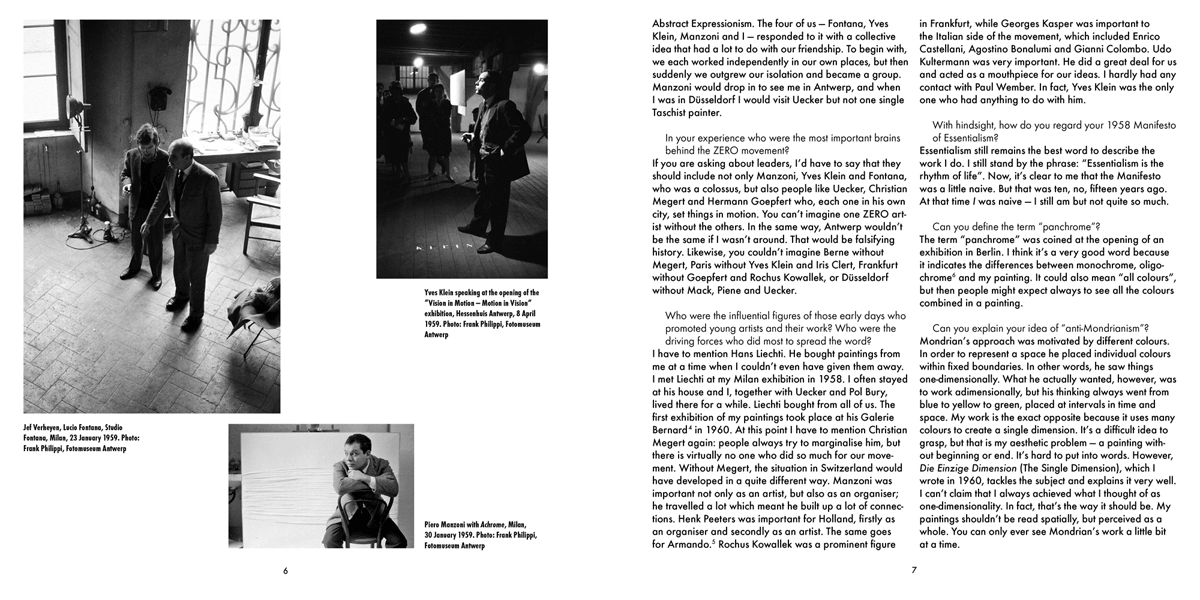
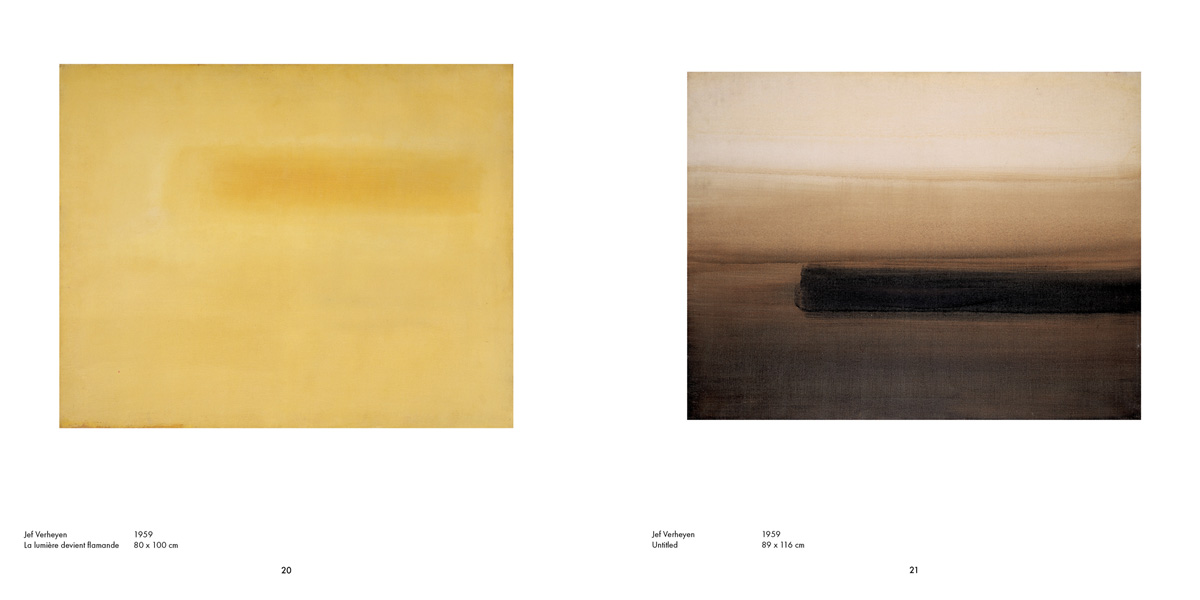
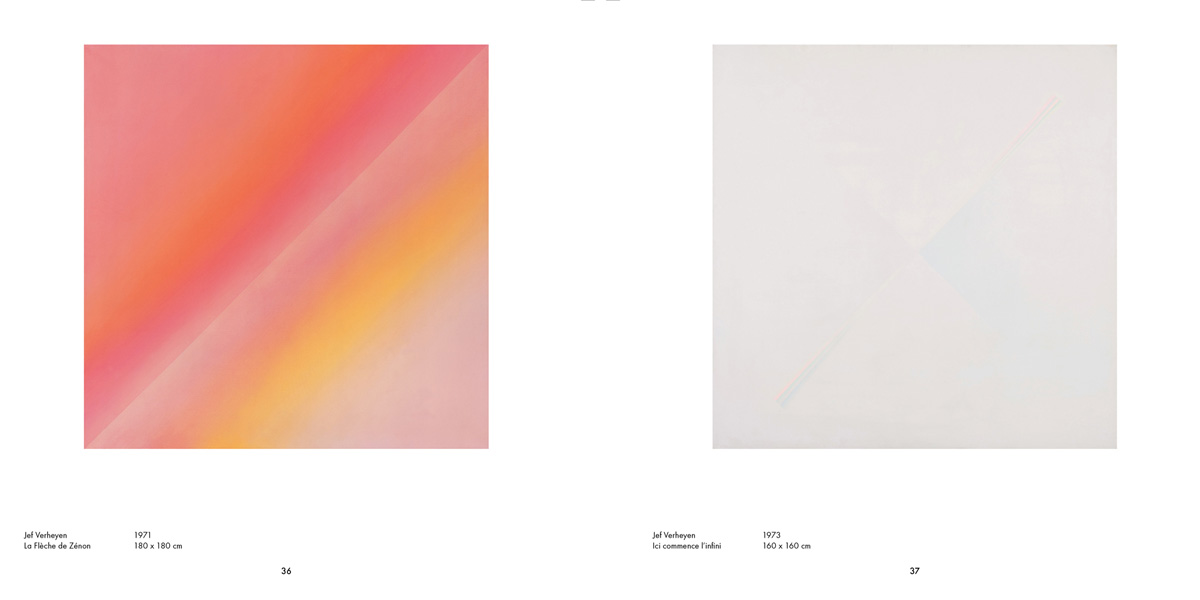
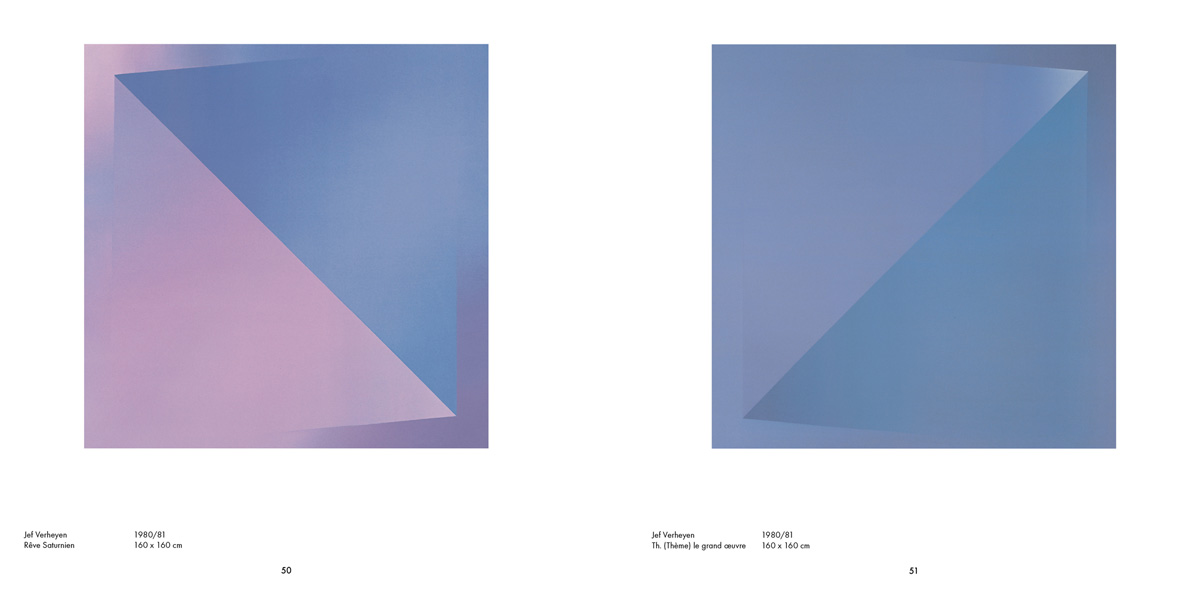
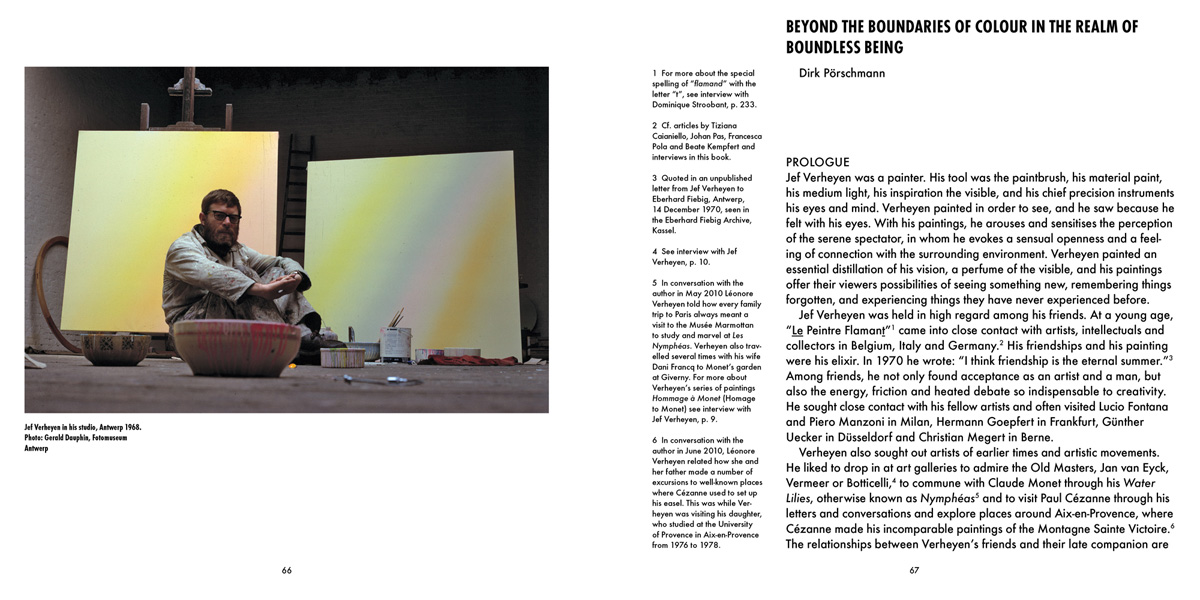
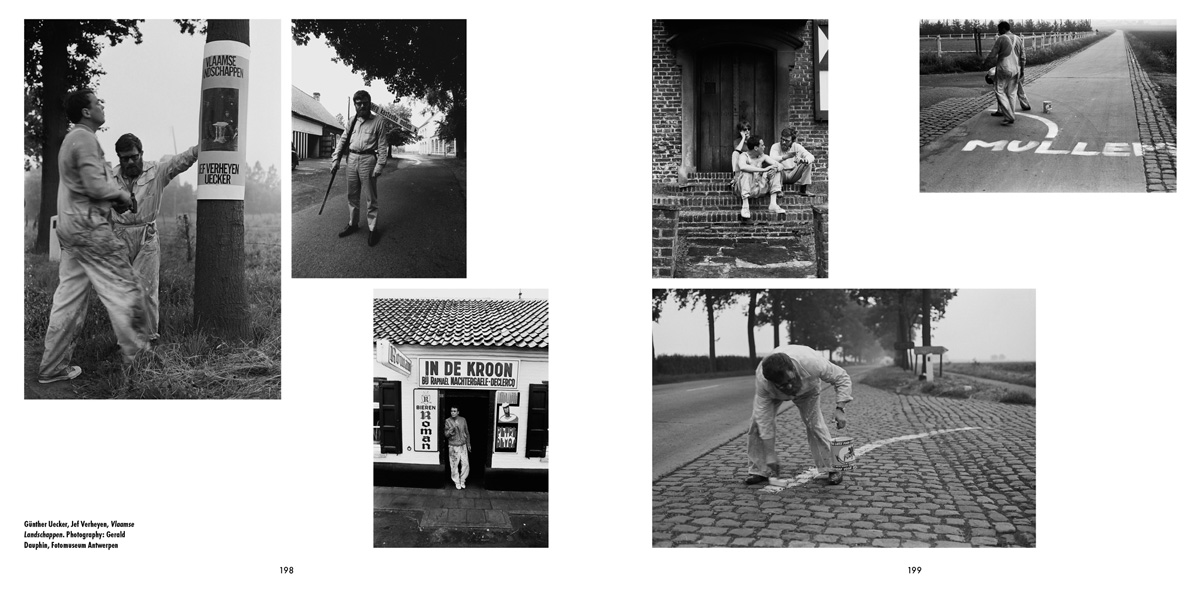
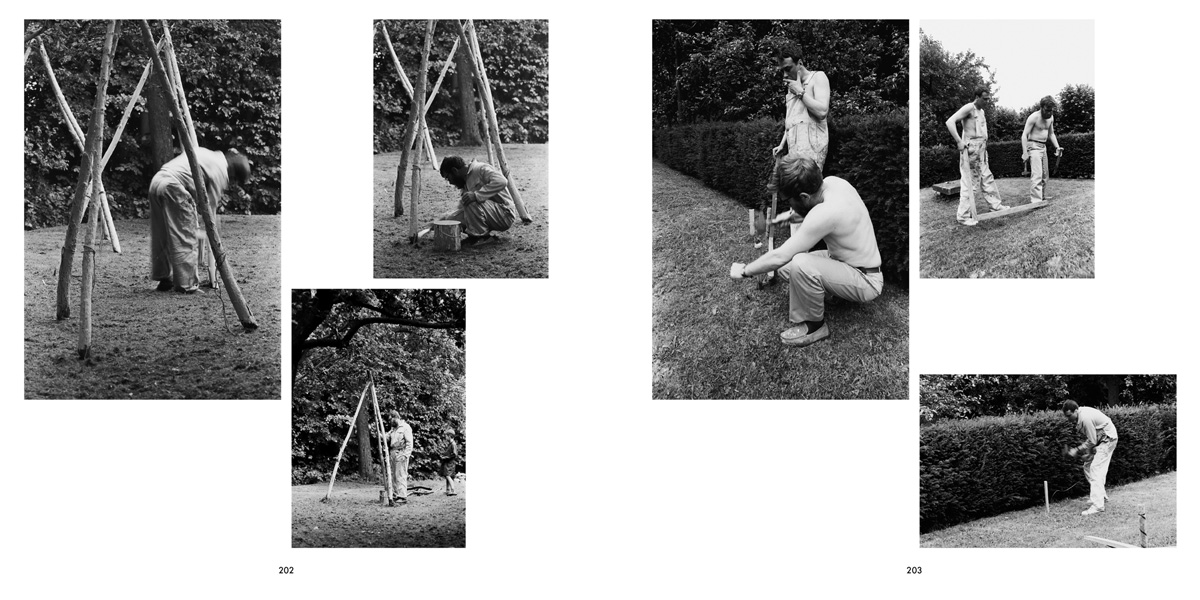
Jef Verheyen, Le Peintre Flamant
Softcover, 256 pp., offset 4/1, 230 x 230 mm
English and German
Edition of 2000
ISBN 978-94-611-7007-1
Published by ASA Publishers
$60.00 ·
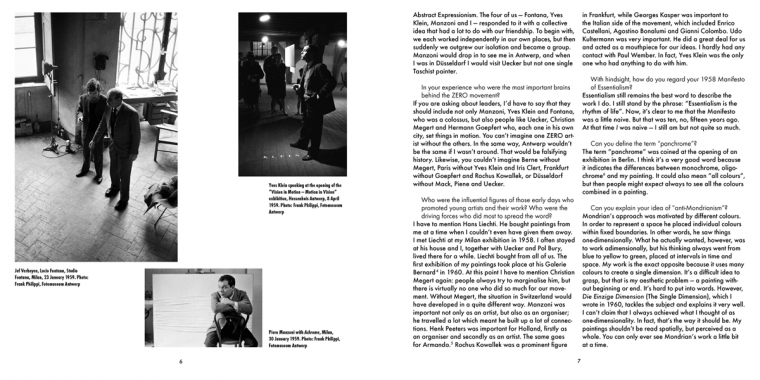
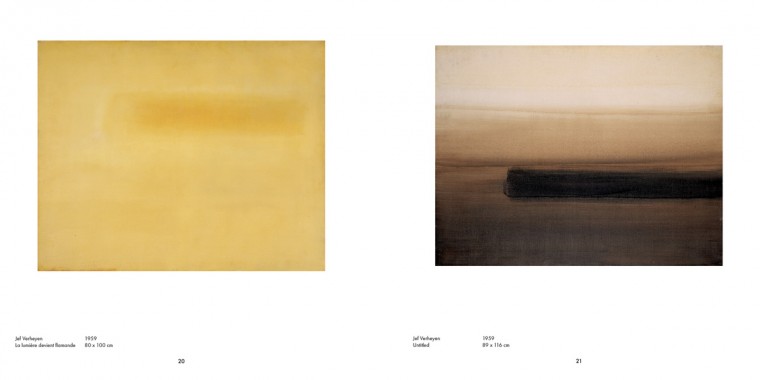
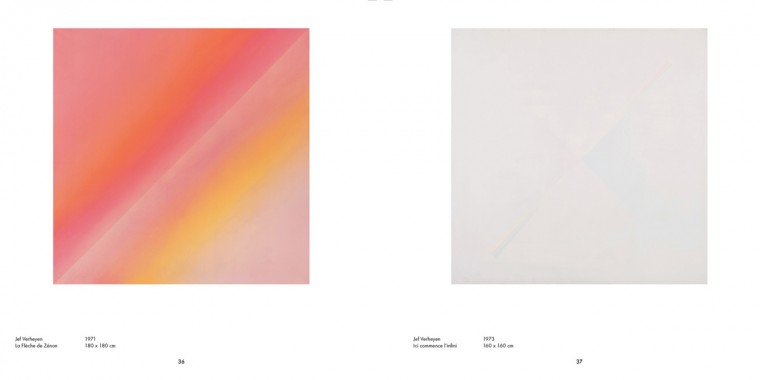
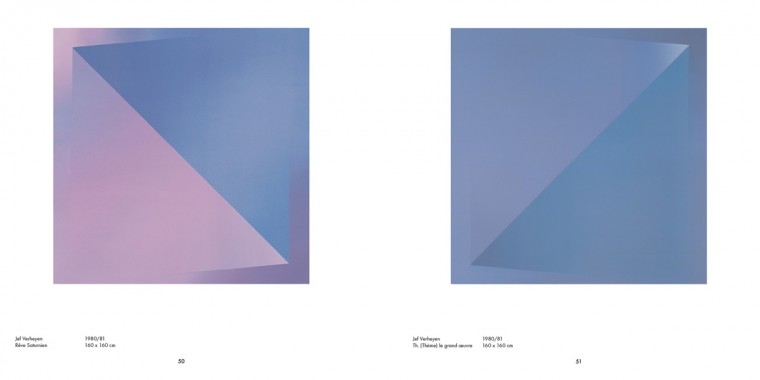
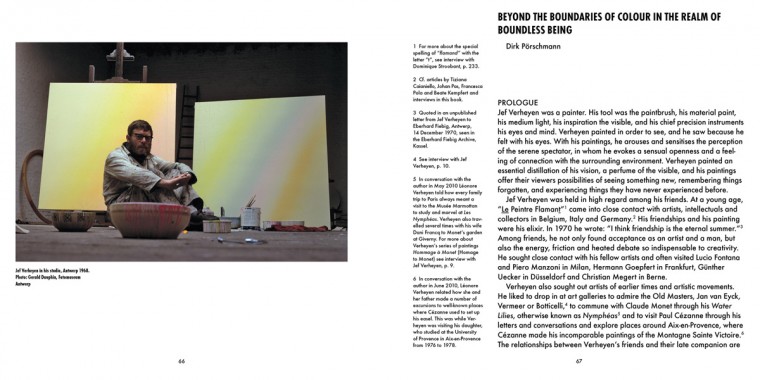
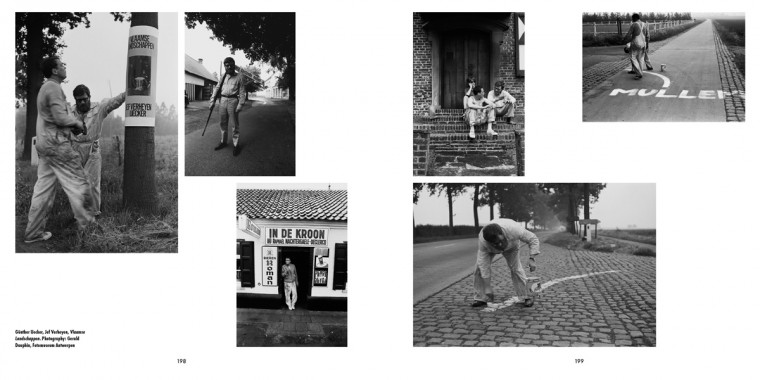
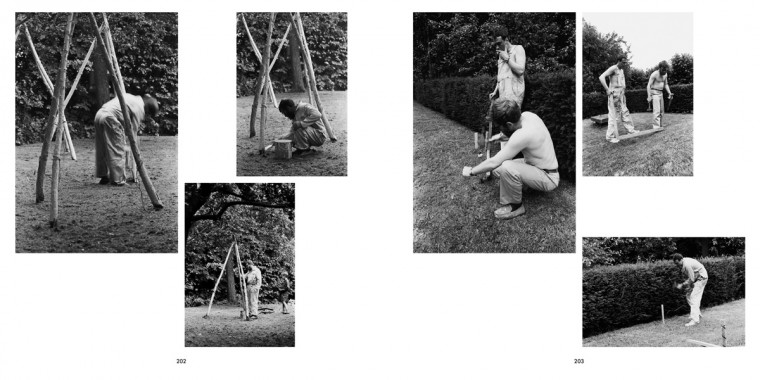
Jef Verheyen (1932-1984) is one of the most important Flemish artists of the twentieth century. This book brings together contributions from international authors, exploring for the first time, from a variety of perspectives, Verheyen’s art and his close connections with the avant-garde Group ZERO. A quarter of a century after his untimely death, Verheyen’s abstract paintings are re-examined, interpreted and accorded their place in the history of art. The production of the book has led to the rediscovery of a painter who had fallen into oblivion. Here, unpublished texts and letters and a wealth of photographs bring Verheyen’s creations back to life. Book published on the occasion of ‘Jef Verheyen & Friends,’ at the Langen Foundation in Neuss.
“Jef Verheyen painted an essential distillation of his vision, a perfume of the visible, and his paintings offer their viewers possibilities of seeing something new, remembering things forgotten, and experiencing things they have never experienced before.”
— Dirk Pörschmann
Art, ASA Publishers, Beate Kemfert, Dirk Pörschmann, Distribution, Francesca Pola, Jef Verheyen, Jenny Trautwein, Johan Pas, Langen Foundation, Léonore Verheyen, MER. Paper Kunsthalle, Tijs Visser, Tiziana Caianiello
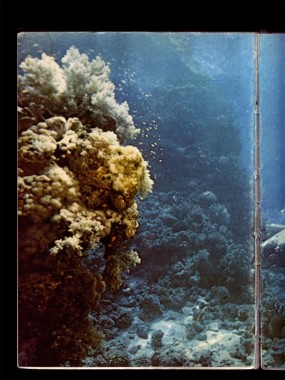
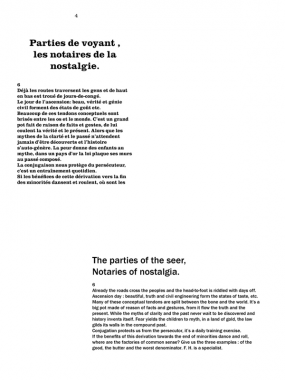
Benoit Platéus, Parties de voyant
Softcover, 100 pp., offset 4/4, 210 x 280 mm
English and French
Edition of 2000
ISBN 978-94-906-9337-4
Published by MER. Paper Kunsthalle
$28.00 ·
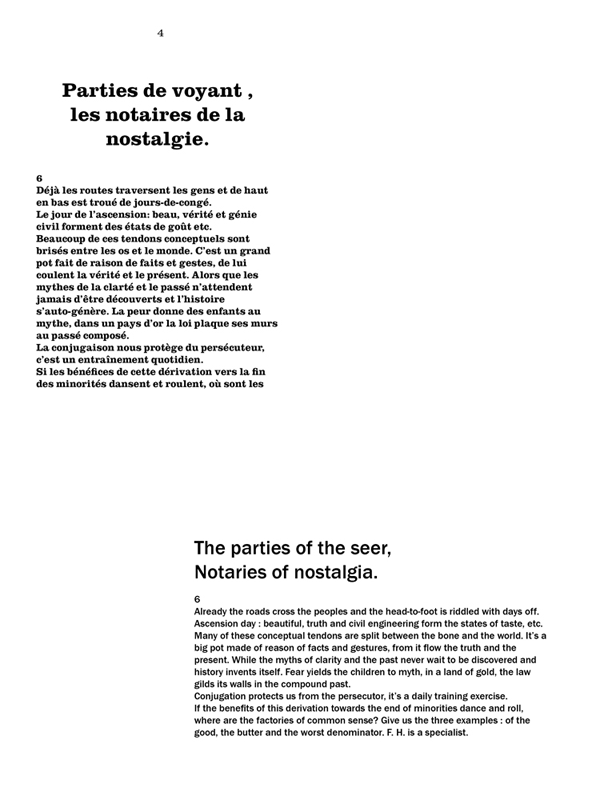
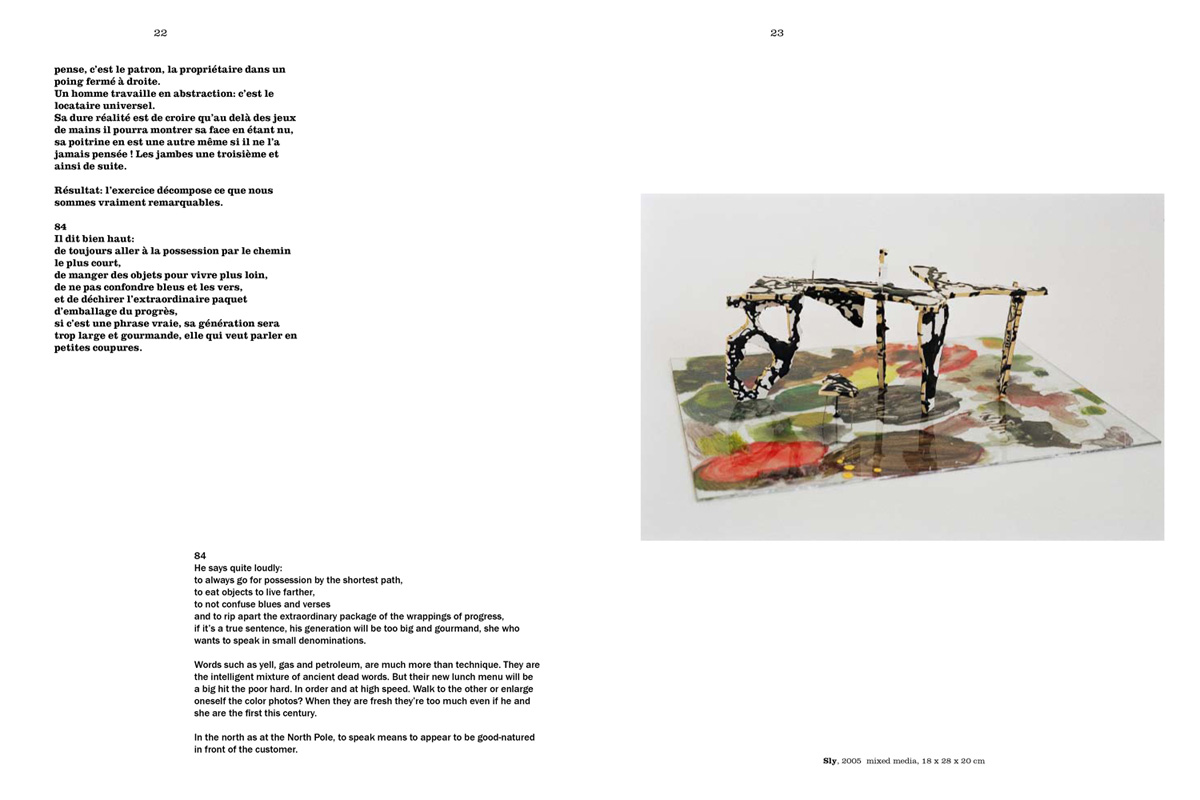
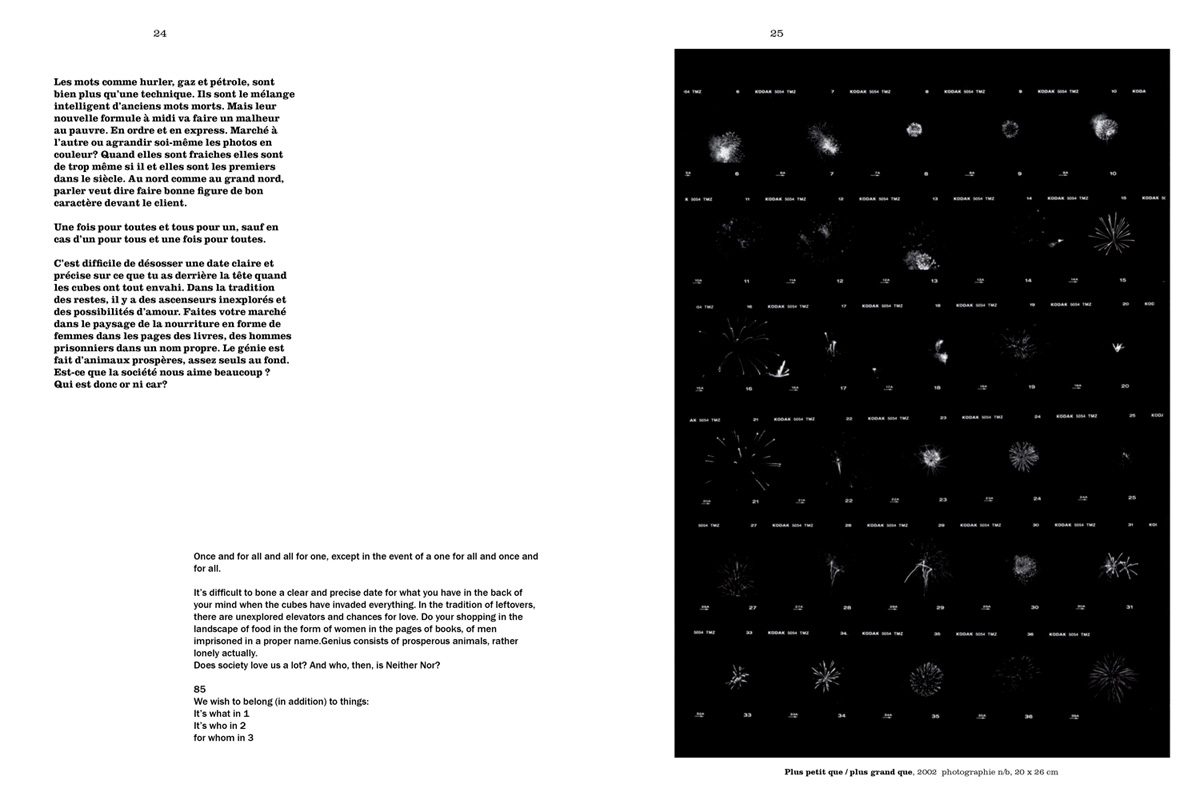
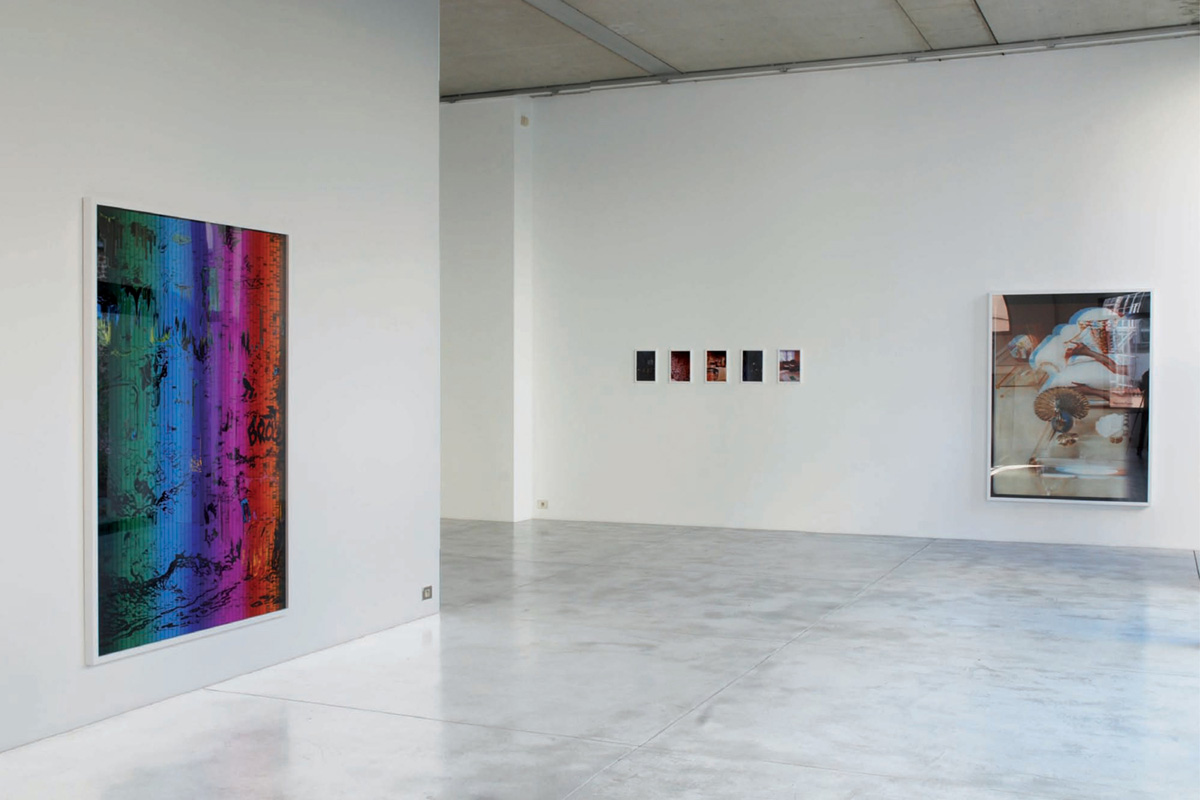
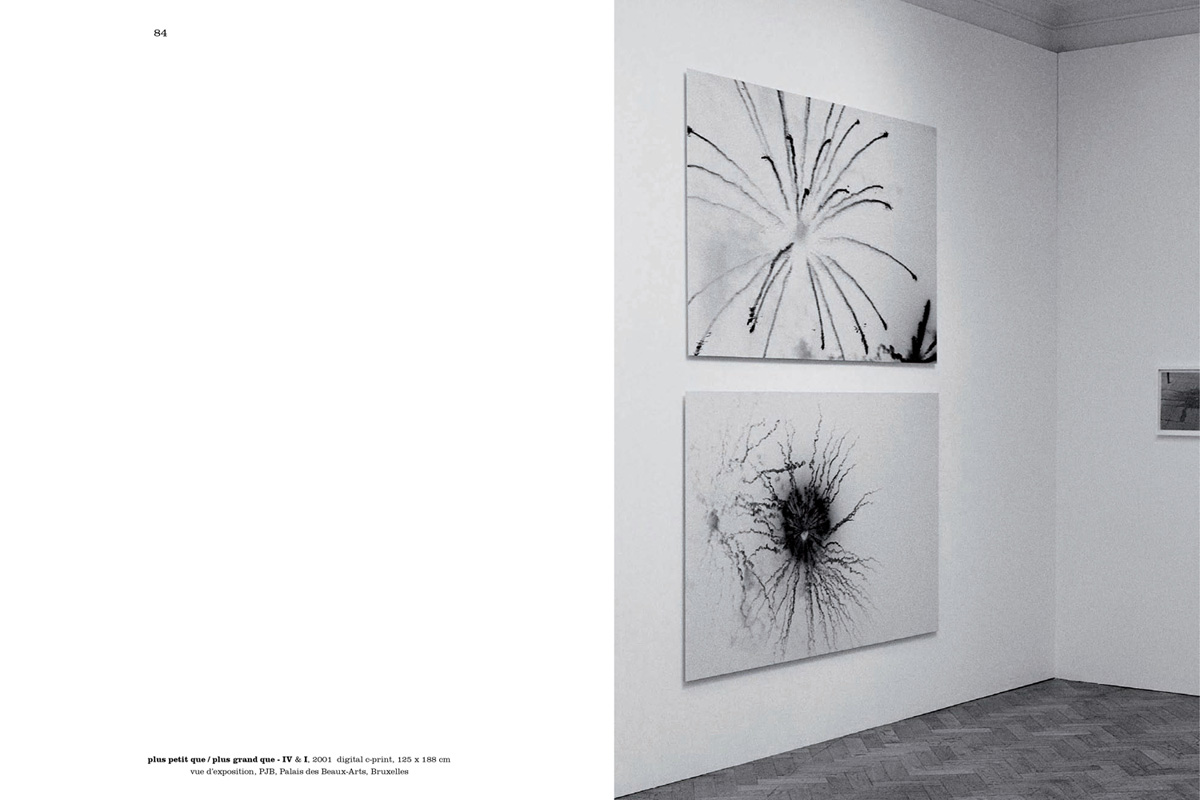
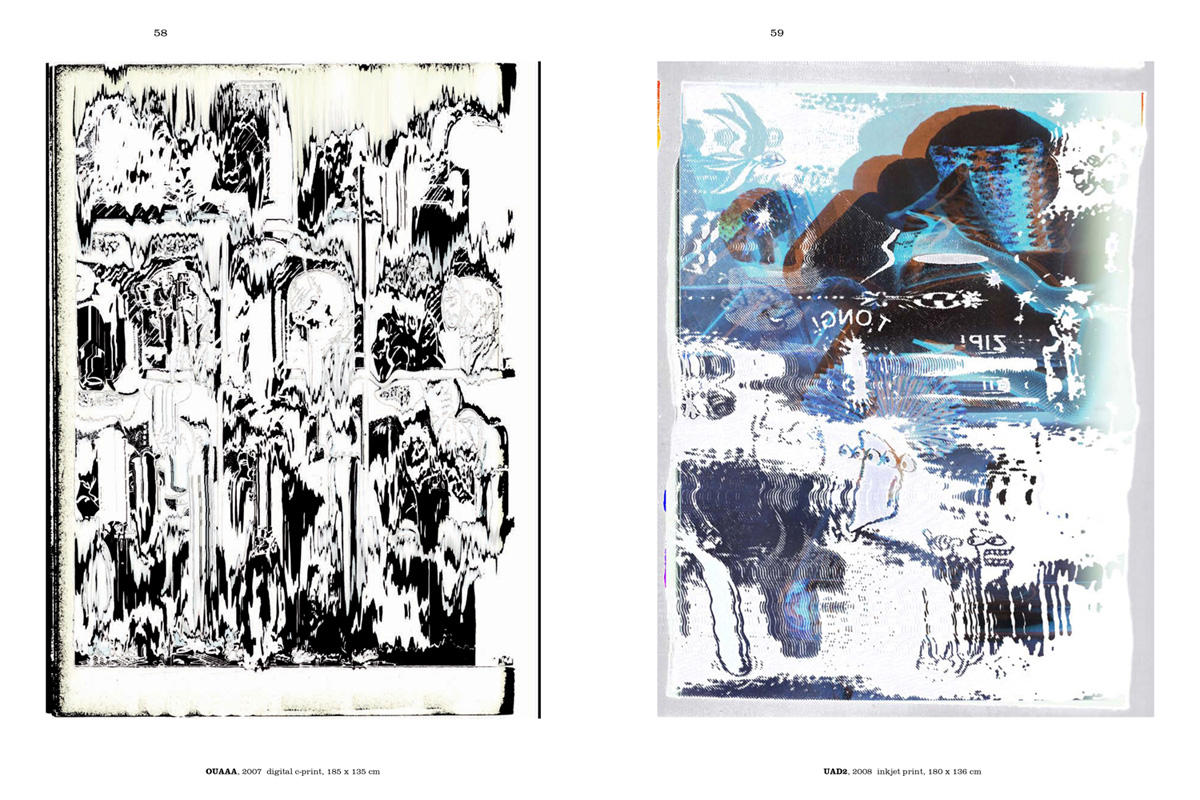
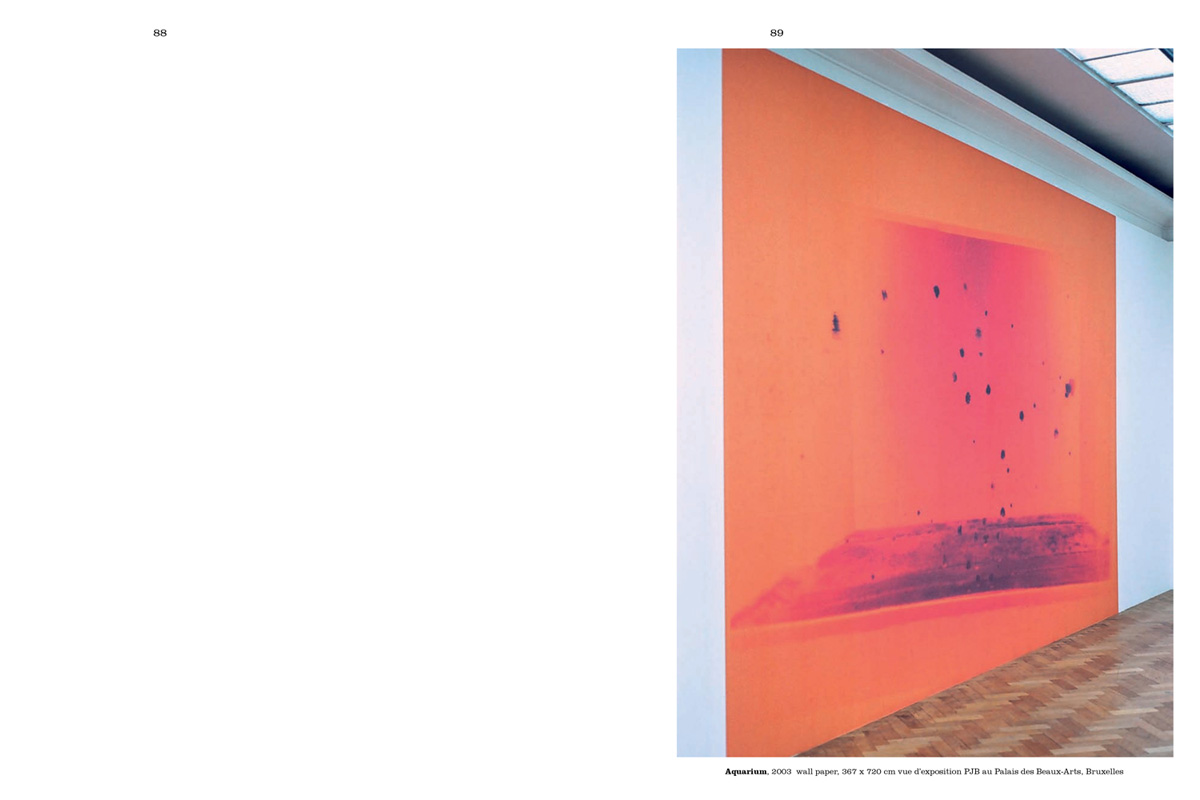
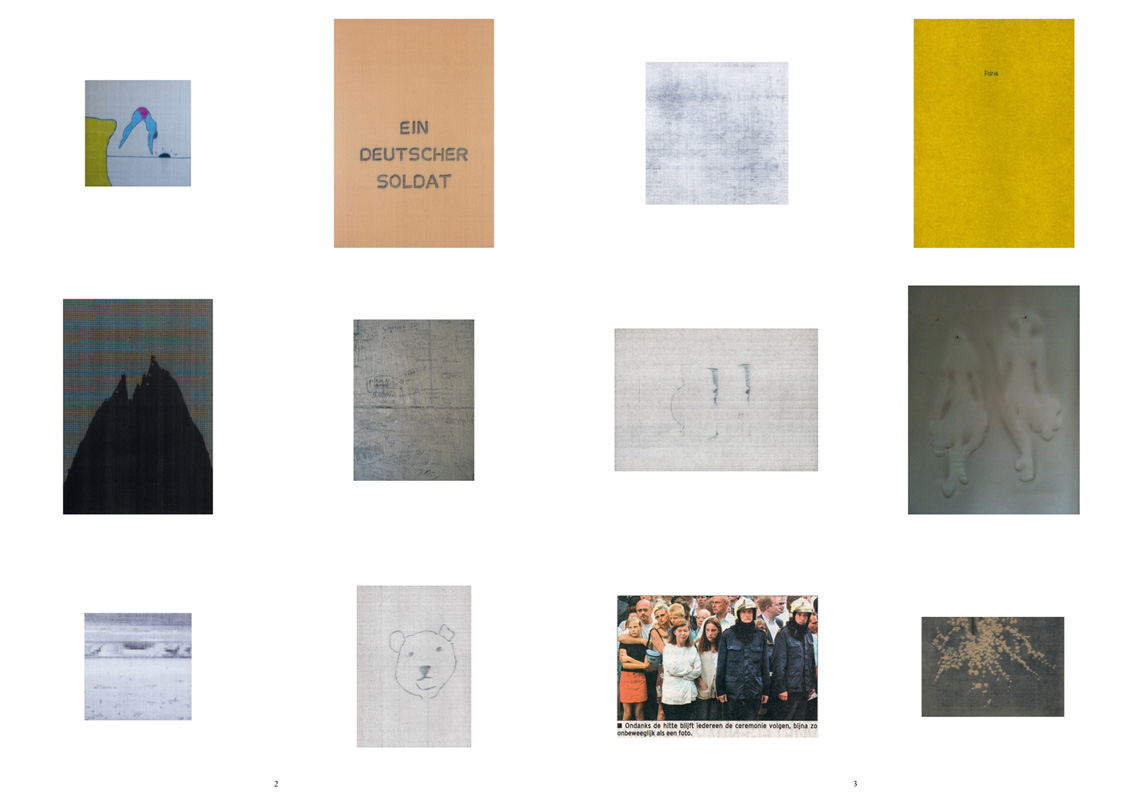
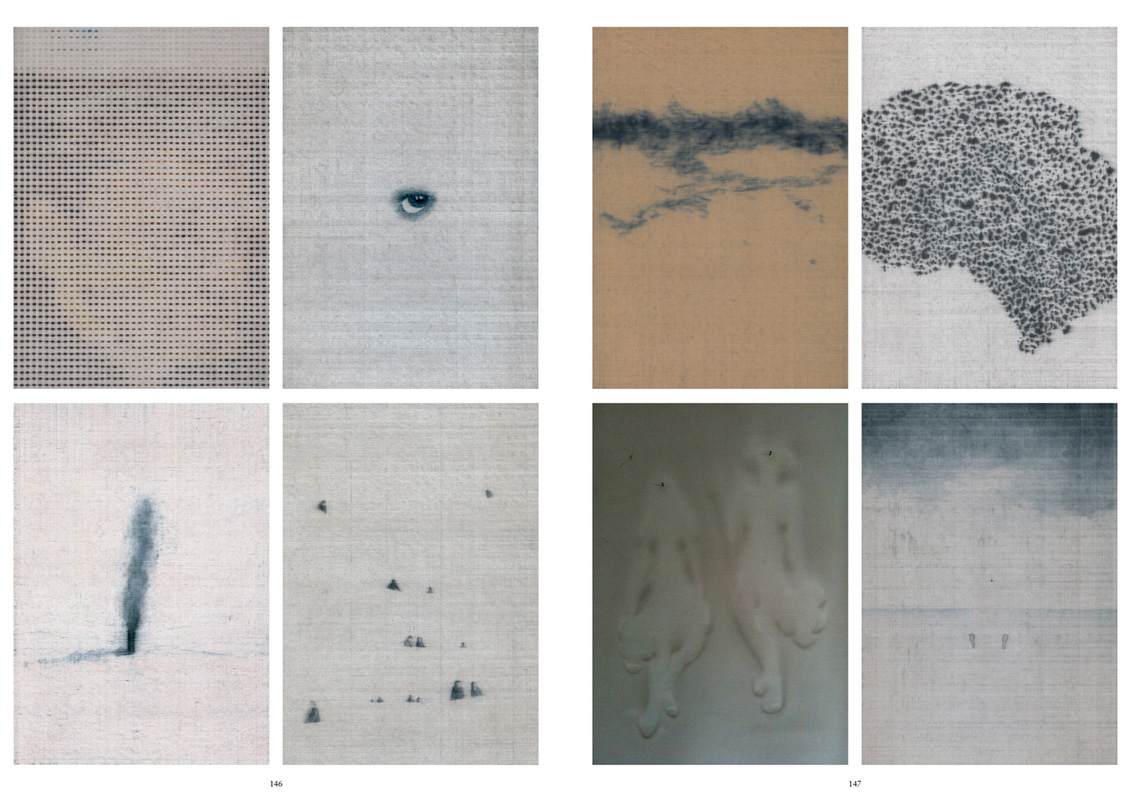
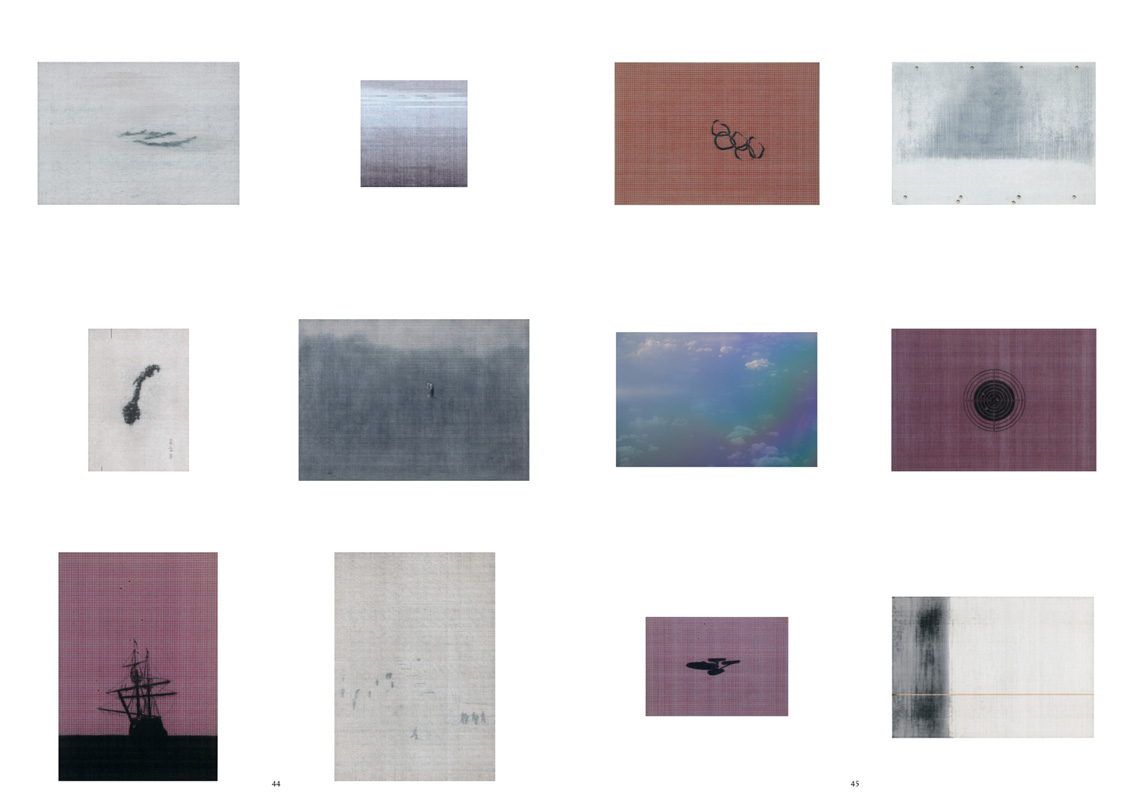
This first work on the Belgian artist Benoit Platéus is a monography as well as an artist’s book. It comprises a selection of works created between 1997 and 2011, as well as a text written by the artist and proposing a direct insight into his universe. Platéus work doesn’t neglect any medium — photography, video, drawing or sculpture — in order to search for ambiguities in the most mundane field of visibility. In this way his art often acts as a ‘psychic apparatus’ that plays on, and questions and reflects the viewer’s perception and consciousness.
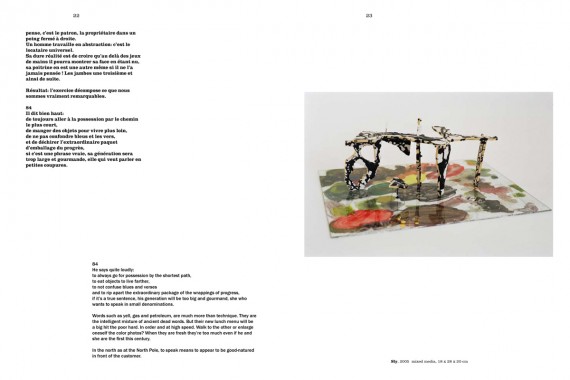
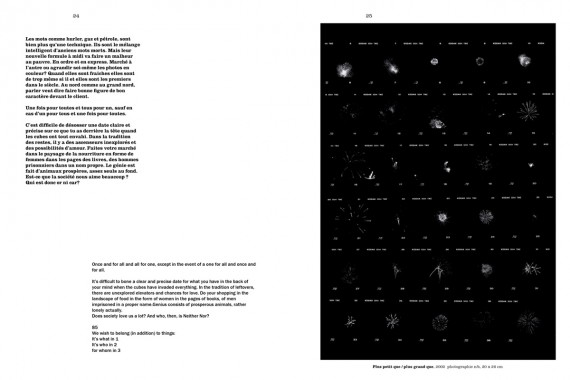
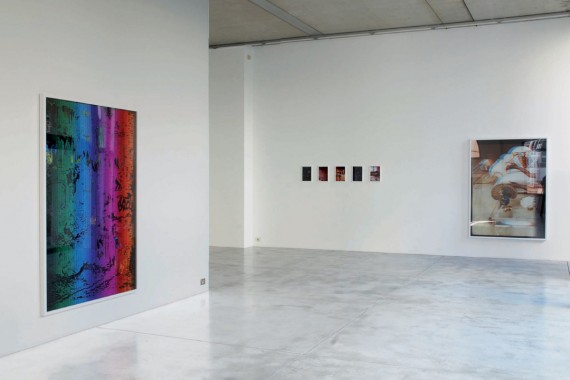
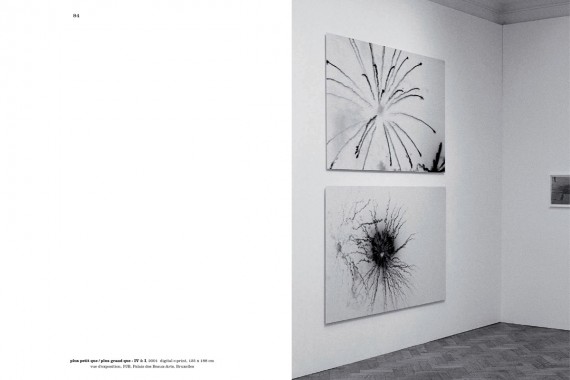
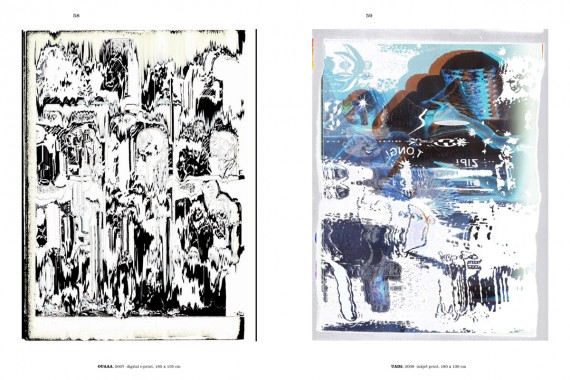
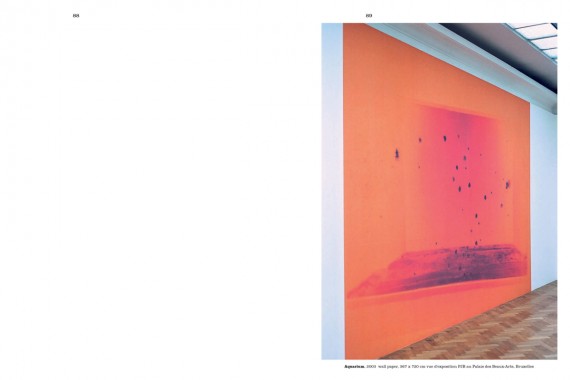
Animation, Art, Benoit Platéus, Distribution, Drawing, Film, James W Haenlin, MER. Paper Kunsthalle, Michelle Van Brussel, Photography, Sculpture
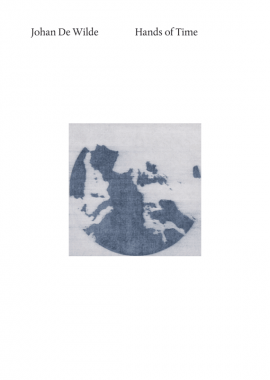
Johan De Wilde, Hands of Time
Softcover, 240 pp., offset 4/4, 210 x 297 mm
English and Dutch
Edition of 2000
ISBN 978-94-906-9339-8
Published by MER. Paper Kunsthalle
$45.00 ·
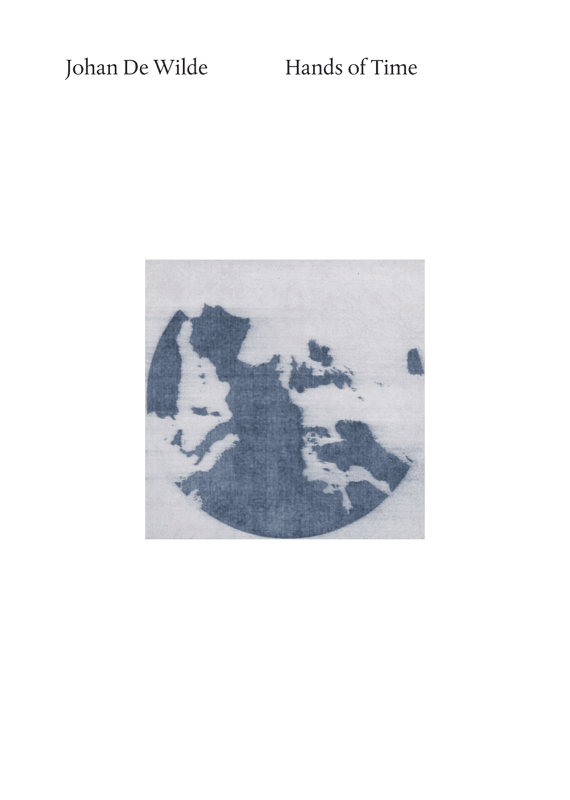
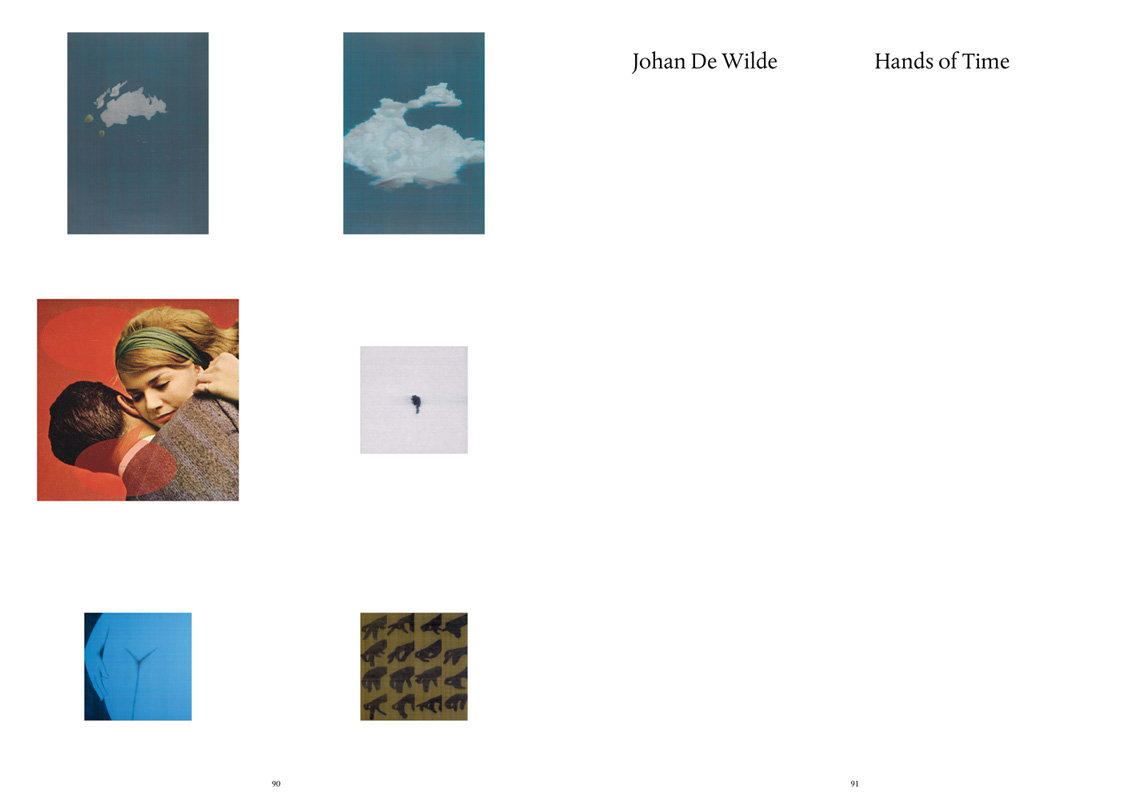
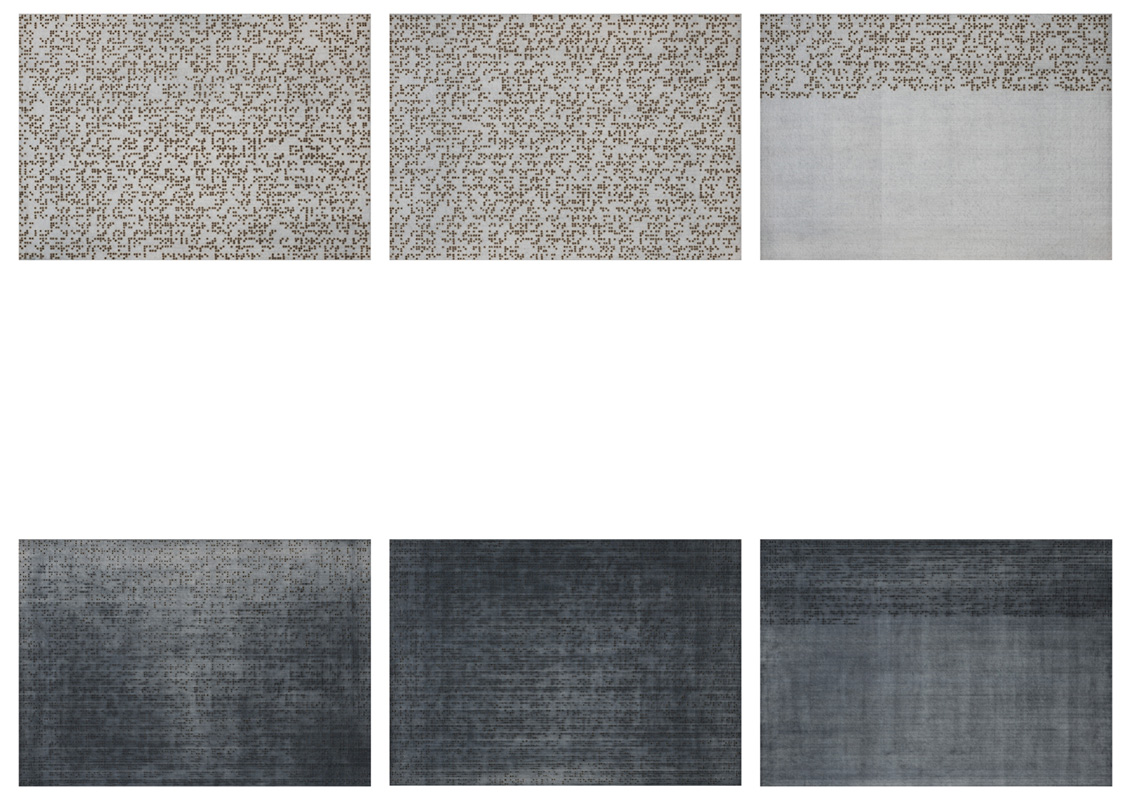
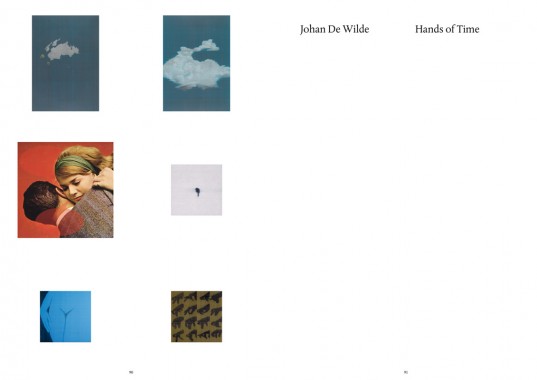
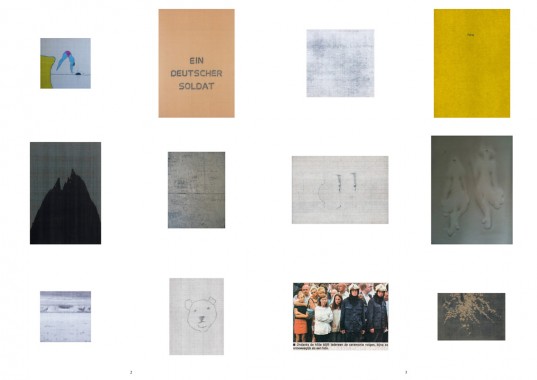
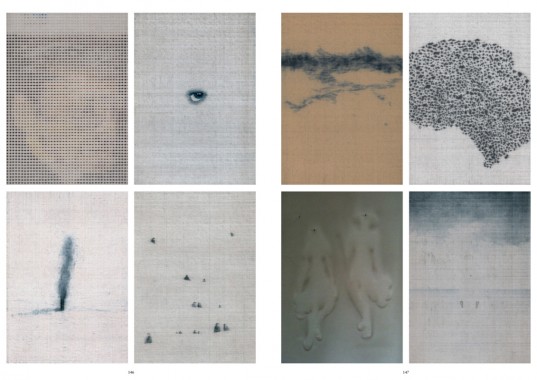
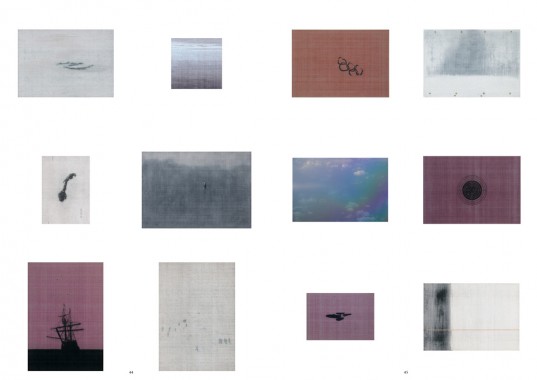
For many years now, Johan De Wilde’s work has been praised for its meticulous drawing style. The many solemnly applied layers that compose the works also hide in their folds, ever shrinking never to vanish, the Great Irony of our existence and its languages. This first monography presents over 500 drawings, prints and collages from the early nineties to today, concluding with the epic series Hands of Time. The book includes an essay by Hans Theys. A must for those acquainted with De Wilde’s works and a perfect introduction for all others.

Alison Mouthaan, Art, Dirk Pauwels, Distribution, Drawing, Duncan Brown, Els van de Perre, Hans Theys, Hilde D’haeyere, Jeroen Wille, Johan De Wilde, Luc Derycke, MER. Paper Kunsthalle
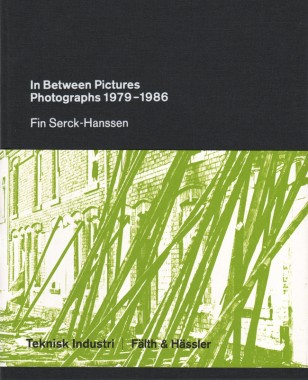
Fin Serck-Hanssen, In Between Pictures. Photographs 1979-1986
Hardcover, 256 pp., offset 2/1, 210 x 270 mm
English and Norwegian
Edition of 2000
ISBN 978-82-997894-5-5
Published by Teknisk Industri AS
$58.00 ·
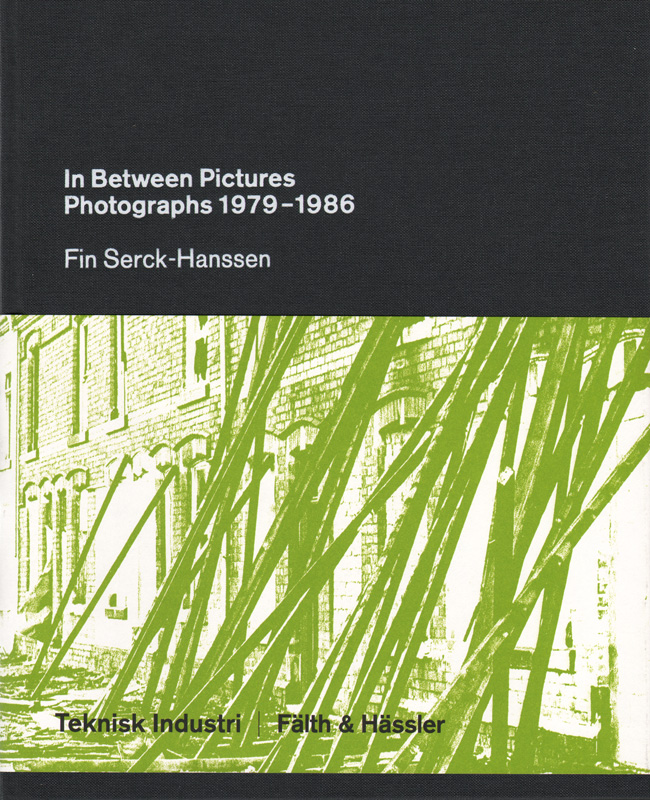
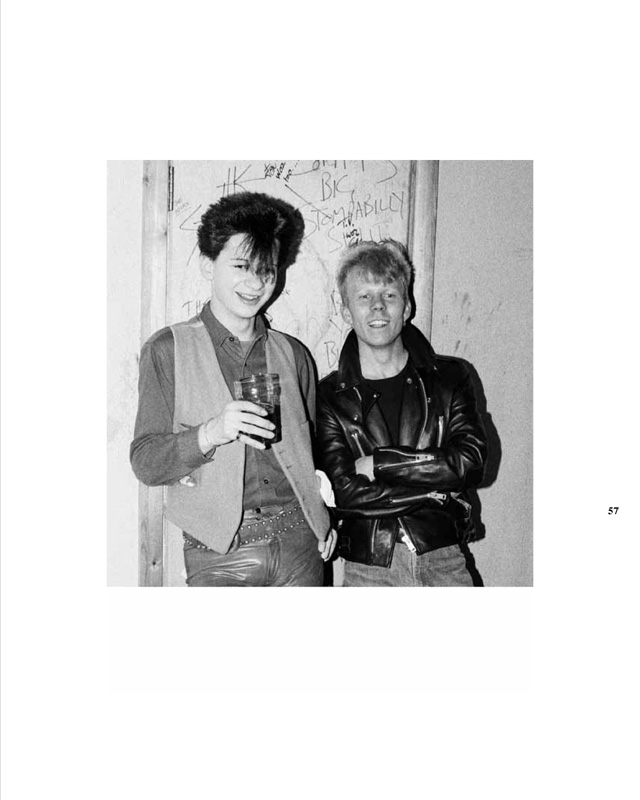
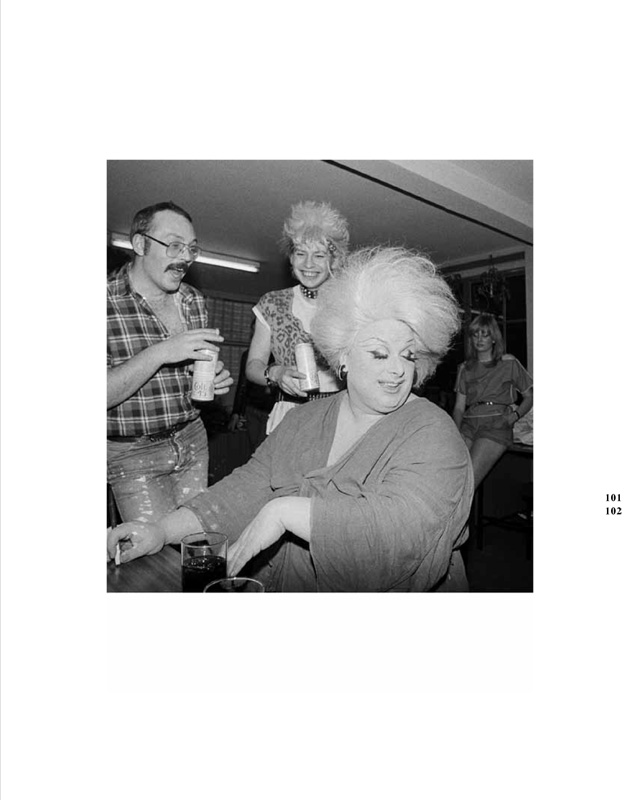
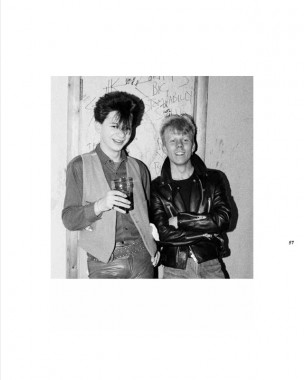
In Between Pictures. Photographs 1979-1986 documents Fin Serck-Hanssens work as a photographer for Norwegian music magazines. From the early years of Norwegian Punk and underground music scene to English bands playing in Derby and London. New Order, Bauhaus, and the Clash are captured in the very start of their career. Through more than 150 photographs essential music culture: the bands, the crowd and the scenes, are documented. The book features new essays by Ole Robert Sunde, Christian Refsum, Paola Cortes-Rocca and Peter J. Amdam
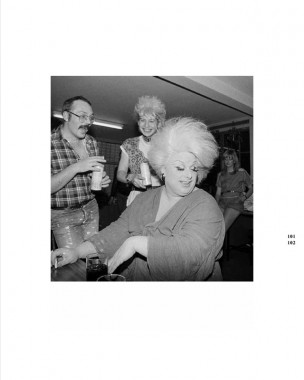

Bauhaus, Christian Refsum, Culture, Depeche Mode, Distribution, Divine, Echo & The Bunnymen, Fin Serck-Hanssen, Iggy Pop, Joey Ramone, Martin Kraetke, Music, New Order, Ole Robert Sunde, Paolo Cortes-Rocca, Peter Hook, Peter J Amdam, Peter Murphy, Petter Snare, Photography, Ramones, Teknisk Industri AS, The Cramps, The Cure, The Cut, The Fall, The Specials, Till Gathmann
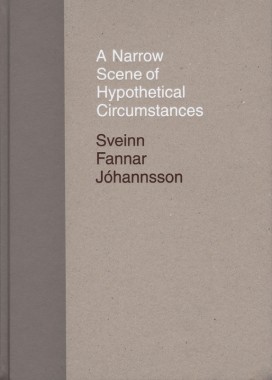
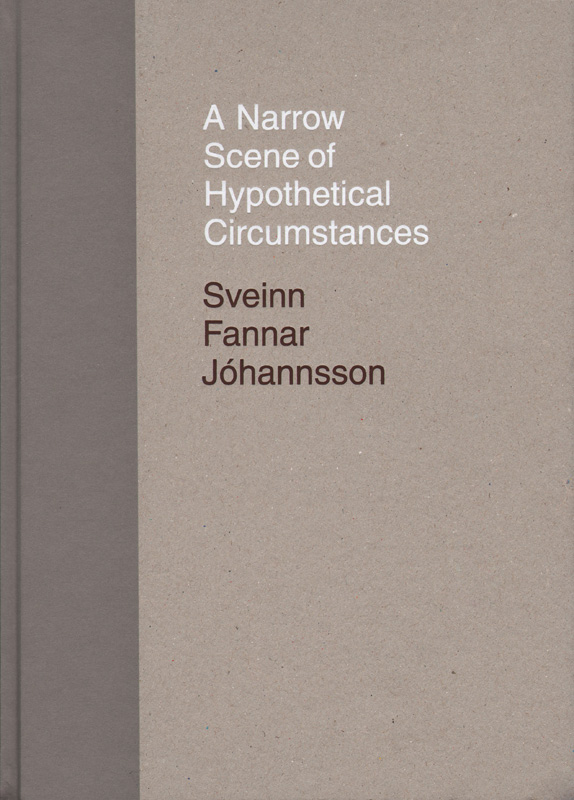
Sveinn Fannar Jóhannsson, A Narrow Scene of Hypothetical Circumstances
Hardcover, 84 pp., offset 4/4, 210 x 300 mm
English and Norwegian
Edition of 600
ISBN 978-82-997894-4-8
Published by Teknisk Industri AS
$42.00 ·
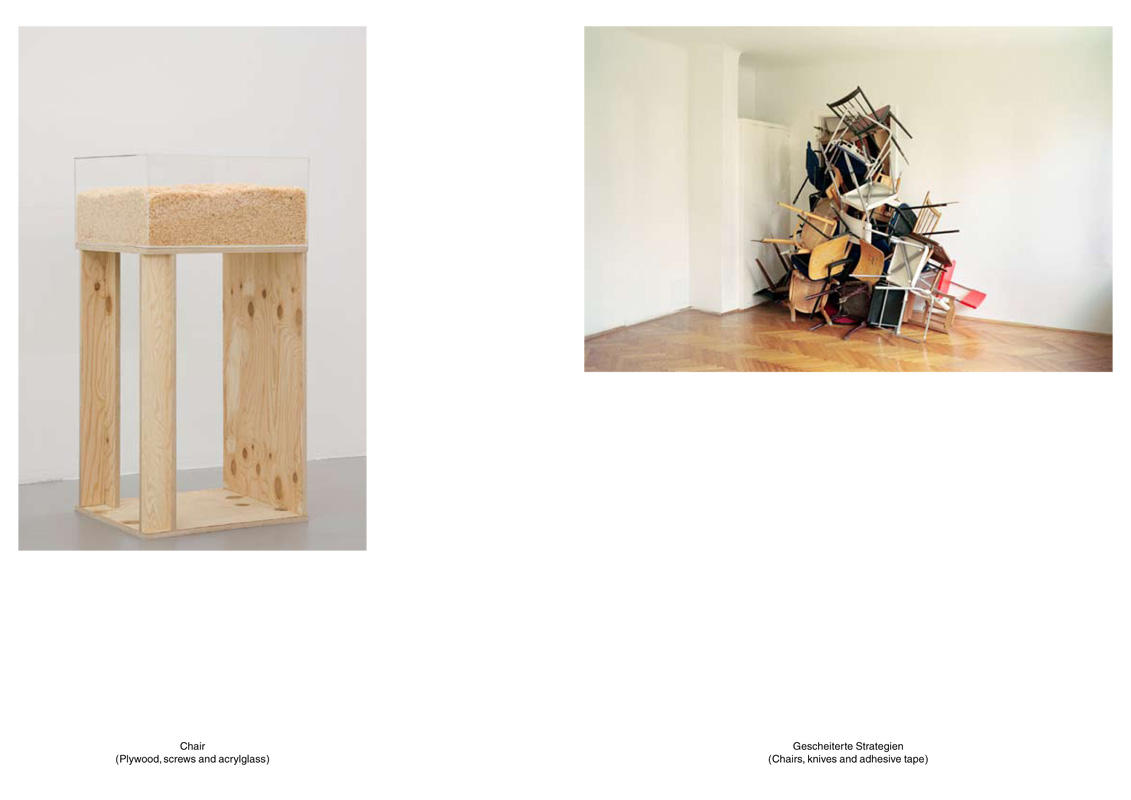
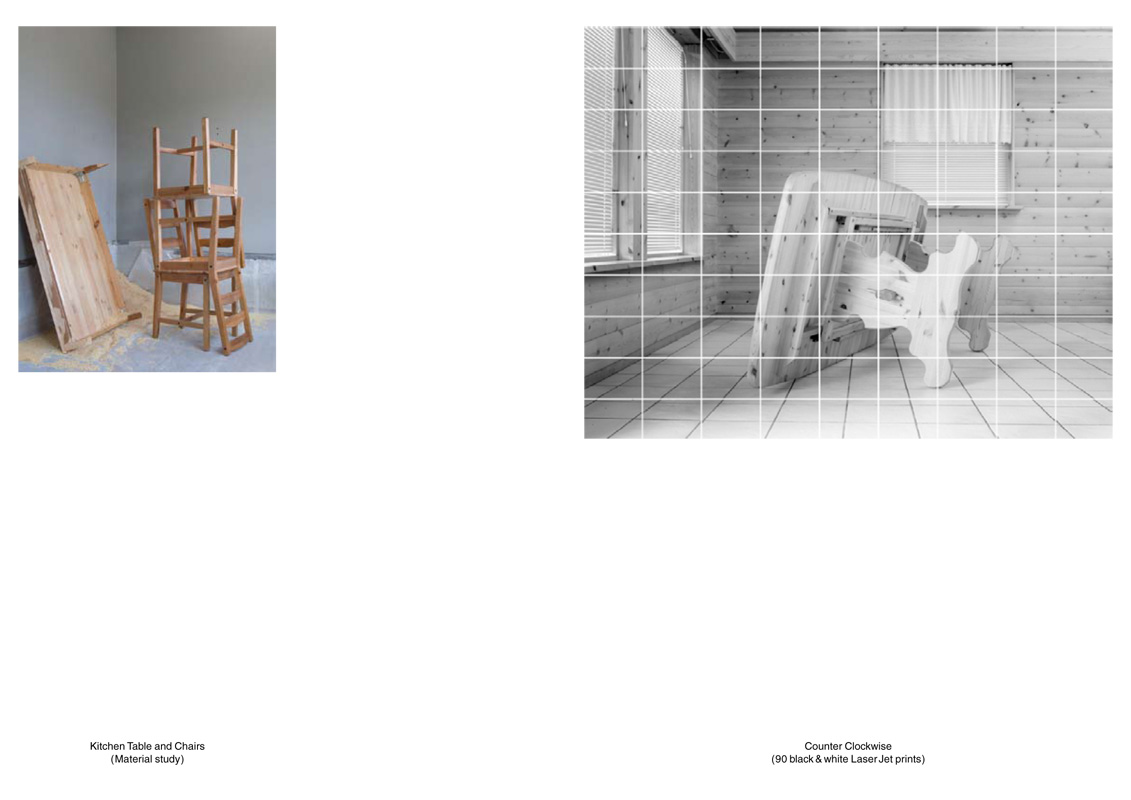
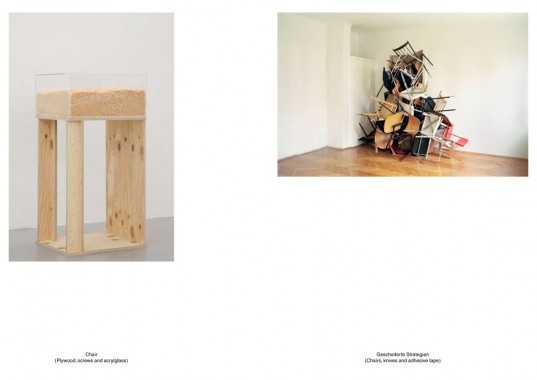
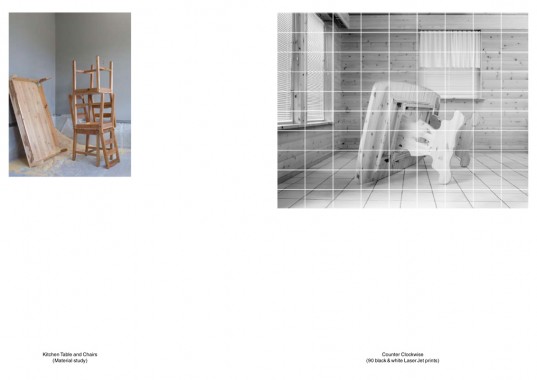
In the book project A Narrow Scene of Hypothetical Circumstances we access a visual universe revolving around dismembered pieces of familiar objects. Sketches, pictures and materials are united into a steady flow of everyday examination, in which apparent contradictions — painstaking exactitude and violence, empathy and calculation — bubble away beneath the surface. Rearrangement, representation and repression melt together on the border between construction and collapse, with an elegant sense of seriousness. The works are supplemented with texts by Friedrich Tietjen, Caroline Ugelstad, Leif Magne Tangen and Christopher Muller.
Art, Caroline Ugelstad, Carsten Humme, Christopher Müller, Distribution, Friedrich Tietjen, Jorg Schutze, Leif Magne Tangen, Martin Kraetke, Photography, Sculpture, Sveinn Fannar Jóhannsson, Teknisk Industri AS, Till Gathmann
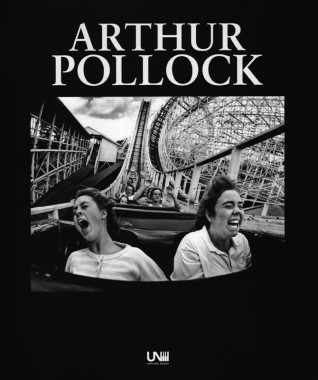

Arthur Pollock, Arthur Pollock
Hardcover with dust jacket, 184 pp., offset 1/1, 9 x 11 inches
Edition of 500
ISBN 978-0-983-66980-7
Published by Unpiano Books
$30.00 ·
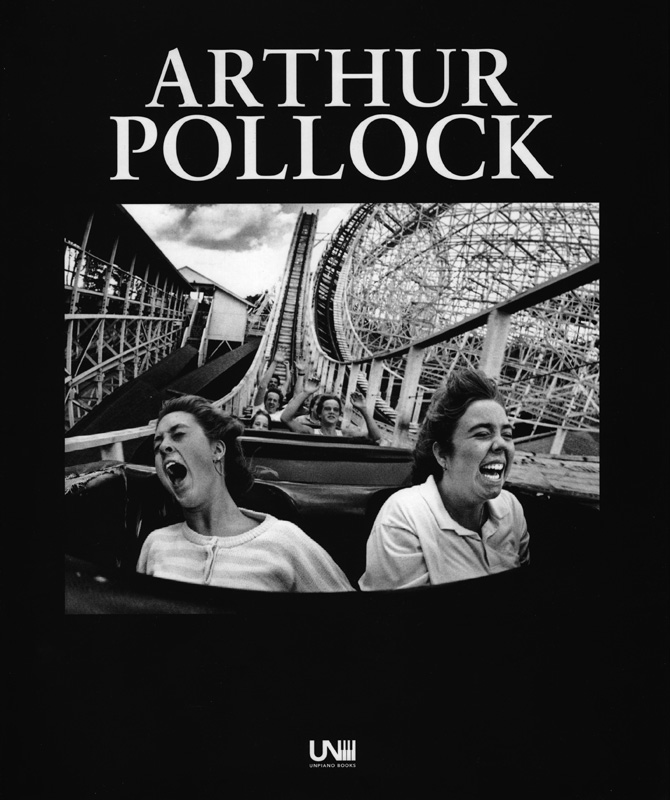
Arthur Pollock has worked as a photojournalist for over fifty years, both freelance and on staff for several major news outlets. His professional career began in Hammond, IN and Lowell, MA in the nineteen sixties as he documented day-to-day street level stories of the time, and cut his teeth in those towns in the midst of an economic downturn and a cultural revolution. Hired on staff at the Boston Herald in the early nineteen eighties, he worked in the field for over ten years on many important features and was the recipient of numerous awards before becoming Assistant Photo Editor at the end of the decade.
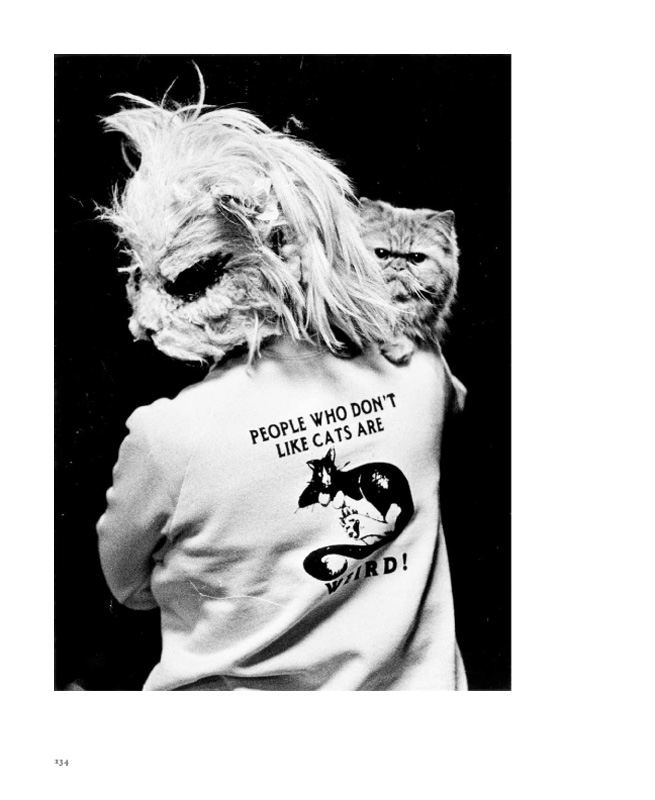
This monograph is the first attempt at chronicling his enormous body of work and contains a cross-section of material from his early days on the streets, all the way up until the early nineteen nineties.
While he may echo the understatement of a news scribe, Pollock’s work clearly pays special homage to the artistry of those iconic shutter artists, Diane Arbus and the legendary New York street lensman of the 30s and 40s, Weegee. Indeed, every picture does tell a story. And in this unique collection, there are hundreds of stories… wonderfully told.
— Peter Gelzinis
Arthur Pollock, Boston Herald, Culture, Diane Arbus, Distribution, Jesse Pollock, Ken Light, Mark Kaiser, Peter Gelzinis, Photography, Unpiano Books
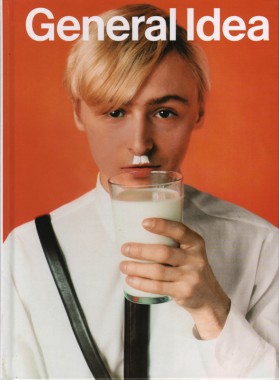
Frédéric Bonnet, General Idea: A Retrospective 1969-1994
Hardcover, 224 pp., offset 4/4, 174 x 238 mm
Edition of 2000
ISBN 978-3-03764-162-0
Published by JRP|Ringier
$40.00 · out of stock
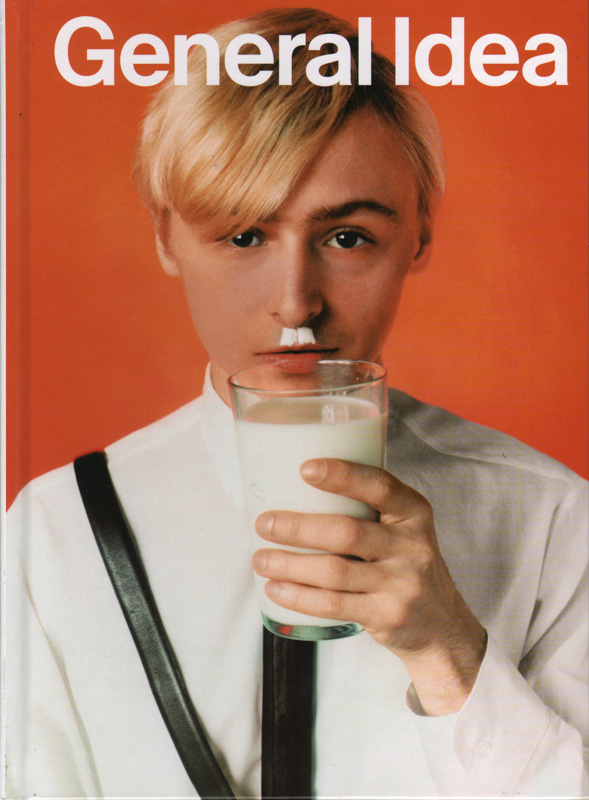
This volume presents an overview of the Canadian collective oeuvre — an oeuvre still haunted by Miss General Idea, a fictive character who was at once muse and object, image and concept. Founded in Toronto in 1969 by Felix Partz, Jorge Zontal — both disappeared in 1994 — and AA Bronson, the trio adopted a generic identity that “freed it from the tyranny of individual genius.” Their complex intermingling of reality and fiction took the form of a transgressive and often parodic take on art and society. Treating the image as a virus infiltrating every aspect of the real world, General Idea set out to colonize it, modify its content and so come up with an alternative version of reality.
Paintings, installations, sculptures, photographs, videos, magazines, and TV programs: General Idea’s is an authentically multimedia oeuvre, that has lost nothing of its freshness and can now be seen as anticipating certain aspects of a current art scene undergoing radical transformation. The book covers the collective’s main areas of concern and themes, such as the artist and the creative process, glamour as a creative tool, art’s links with the media and mass culture, architecture and archaeology, sexuality and AIDS, etc. Including newly commissioned essays and republished texts, it is richly illustrated with documents and reproductions of the most important projects realized by General Idea from 1969 to 1994.
AA Bronson, Art, Clare Manchester, Clement Dirie, DAP, David Moos, Design, Elisabeth Lebovici, Felix Partz, Gavillet & Rust, General Idea, Jean-Christophe Ammann, Jorge Zontal, JRP|Ringier, Lionel Bovier, Louise Dompierre
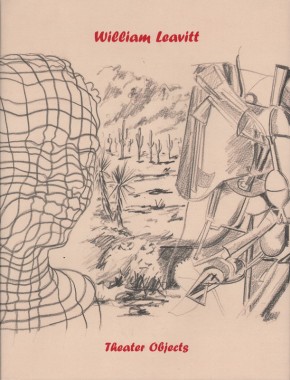
William Leavitt, Theater Objects
Softcover, 148 pp., offset 4/4, 230 x 300 mm
Edition of 5000
ISBN 978-1-933751-18-4
Published by MOCA
$40.00 · out of stock
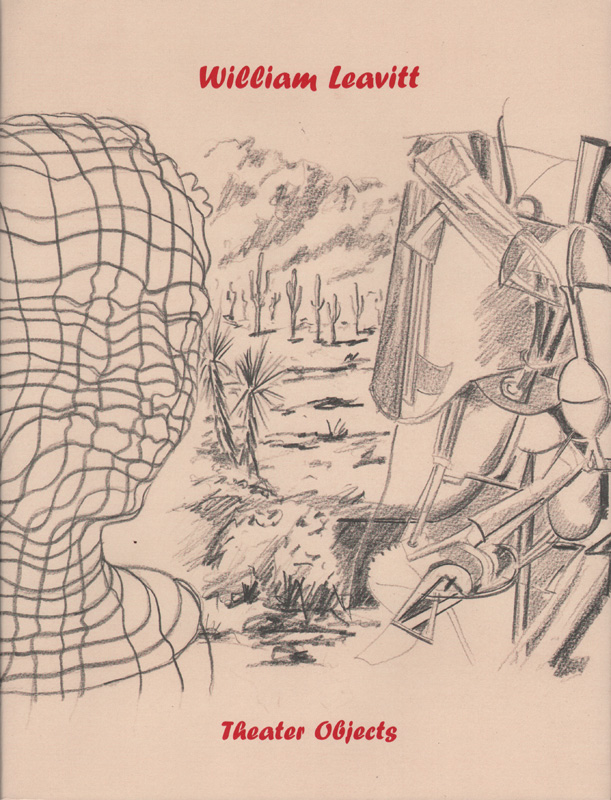
A pioneer of Conceptual art in Los Angeles during the late 1960s and 1970s, the painter, installation artist and theater director William Leavitt (born 1941) is above all an artist of narrative devices. Since 1969, his works in all the above media have employed abrupt fragments of popular and vernacular culture and depictions of modernist architecture to construct elusive narratives of cityscapes and environments. The culture and atmosphere of Los Angeles has played a significant role in Leavitt’s handling of these themes; classic southern Californian motifs of ever-present artifice and almost washed-out brightness recur throughout his work. Surveying the artist’s 40-year career, this volume includes sculptural tableaux, paintings, works on paper, photographs and performances from the late 1960s to the present. Leavitt has created a remarkable oeuvre that has influenced generations of artists, and this volume is both long overdue and highly anticipated.
Ann Goldstein, Annette Leddy, Art, Bennett Simpson, DAP, Elizabeth Hamilton, Erik Bluhm, Lisa Mark, Michael Worthington, William Leavitt
Bjarne Bare, Hose Variations
Softcover, 40 pp., offset 4/4, 190 x 260 mm
Edition of 500
ISBN 978-82-998640-0-8
Published by Cornerkiosk Press
$26.00 ·
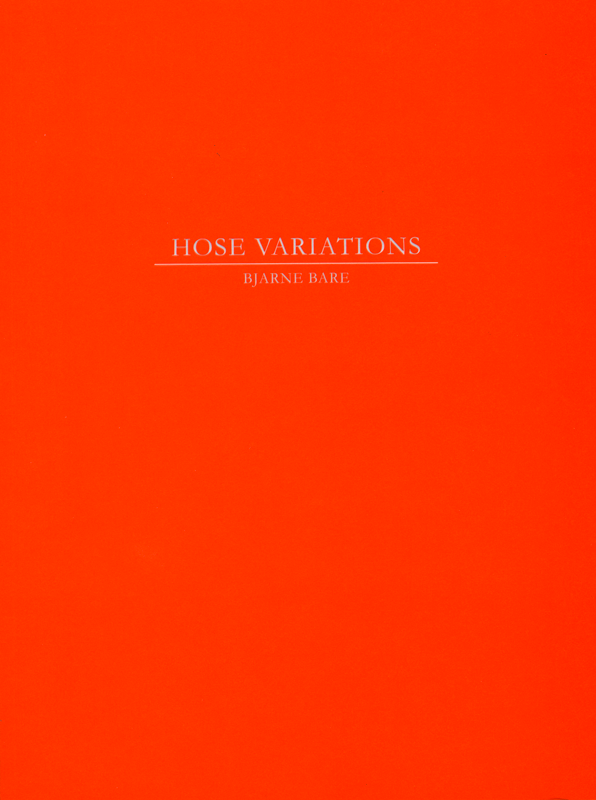
Hose Variations is the first book by Bjarne Bare. This monograph, as the title suggests, consists of studies of hose variations. It is a study of time in between human interaction, where the dead moment, rather than the decisive, is in focus. The surroundings and placement of each hose reveal their owners character and is a light anthropological study of man, as well as a take on the traditional documentary genre of photography. It consists of Bares recent work from Berlin, Buenos Aires, Lodz, Los Angeles, and Oslo.
Anthropology, Art, Bjarne Bare, Cornerkiosk Press, Culture, Distribution, Los Angeles, Photography